






In the 1950s and '60s, economics in America really had a heyday. Tinkering is easy when the economy is good. By the 1970s, it was realized that economics truly was, as historian Thomas Carlyle labeled it in the 19th century, a "dismal science" - except leave off the science.

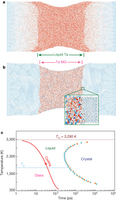
Materials scientists have long sought to form glass from pure, monoatomic metals and Scott X. Mao, a Professor of Mechanical Engineering and Materials Science at the University of Pittsburgh, and colleagues have done it.

How was it accomplished? It's long been conjectured that any metallic liquid can be vitrified into a glassy state provided that the cooling rate is sufficiently high. As is said about the original alchemy, turning lead into gold, it is now simply a matter of having enough energy.  But this of vitrification single-element metallic liquids has needed more than just high energy.

Natural gas proliferation has been a huge boon for the environment - CO2 emissions have plummeted among the U.S. energy sector, primarily because coal emissions have been knocked back to early 1980s levels. But there are concerns by environmentalists that modern hydraulic fracturing ("fracking") has risks, and it has been implicated in everything from earthquakes to methane in water even to claims it will cause the earth to deflate.

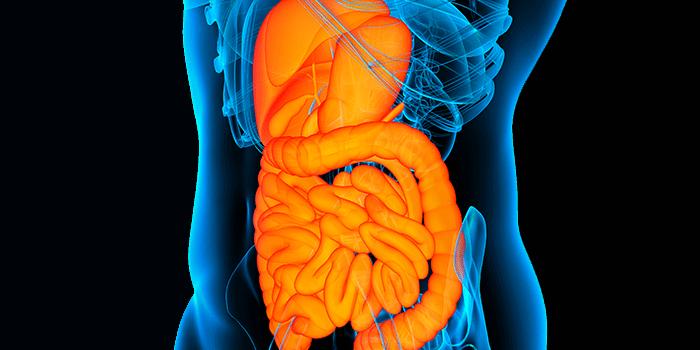
Bacteria in the gut help the body to digest food, and stimulate the immune system. A PhD project at the National Food Institute, Technical University of Denmark, examines whether modulations of the gut bacterial composition affect intestinal integrity, i.e. the ability of the body to maintain a well-regulated barrier function that hinders bacteria from entering the body unintentionally.

The human gut contains more than 100 trillion bacteria, which help the body digest food, produce vitamins protect against disease-provoking bacteria in food, and stimulate the immune system. All these bacteria are separated from the rest of the body by the intestinal wall, which functions as a selective barrier aimed at allowing only useful substances to pass and be absorbed in the body.
Researchers have create a molecule that can cause cancer cells to self-destruct by carrying sodium and chloride ions into the cells.

Synthetic ion transporters have been created before, but this is the first time researchers have demonstrated how an influx of salt into a cell triggers cell death. These synthetic ion transporters could point the way to new anticancer drugs while also benefiting patients with cystic fibrosis.

Study co-author Professor Philip Gale, of the University of Southampton, says, "This work shows how chloride transporters can work with sodium channels in cell membranes to cause an influx of salt into a cell. We found we can trigger cell death with salt."

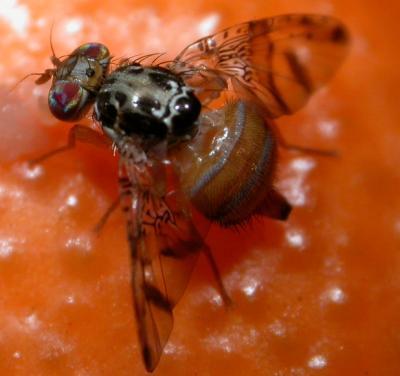
The Mediterranean fruit fly is a serious agricultural pest, it
infests more than 300 types of cultivated and wild fruits, vegetables and nuts and causes extreme damage to crops all around the world. 

The fly is currently controlled by a combination of insecticides, baited traps, biological control and releasing sterilized insects to produce non-viable matings, known as the Sterile Insect Technique (SIT). 

The Mediterranean fruit fly is a serious agricultural pest which causes extensive damage to crops.

An analysis of autism research covering genetics, brain imaging, and cognition seeks to modernize our understanding of why autism potentially occurs, develops and results in a diversity of symptoms.

The team calls it the “Trigger-Threshold-Target’’ model. Brain plasticity refers to the brain’s ability to respond and remodel itself, and this model is based on the idea that autism is a genetically induced plastic reaction. The trigger is multiple brain plasticity-enhancing genetic mutations that may or may not combine with a lowered genetic threshold for brain plasticity to produce either intellectual disability alone, autism, or autism without intellectual disability.
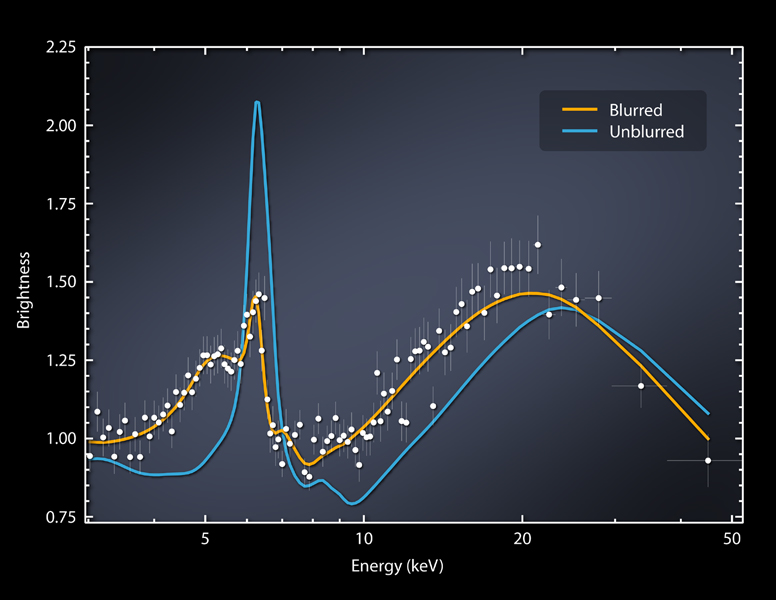
NASA's Nuclear Spectroscopic Telescope Array (NuSTAR) has captured an extreme and rare event in the regions immediately surrounding the supermassive black hole Markarian 335: a compact source of X-rays that sits near the black hole - the corona - has moved closer to the black hole over a period of just days. 

Treatments that involve neck manipulation may be associated with strokes, according to an American Heart Association Scientific Statement written by lead author Dr. Jose Biller, chair of the Department of Neurology at Loyola University and other stroke experts.

Writing in Stroke, they note a small tear in a neck artery, called a cervical dissection, is among the most common causes of strokes in young and middle-aged adults. A dissection can lead to a blood clot that travels to the brain and triggers a stroke. Although techniques for cervical manipulative therapy vary, some maneuvers used by health practitioners also extend and rotate the neck, and sometimes involve a forceful thrust.

Depending on the analysis strategy used, estimating treatment outcomes in meta-­analyses may differ and may result in major alterations in the conclusions derived from the analysis, according to a study in JAMA which could easily apply to all fields.

