


Older people without dementia but who are starting to have memory and thinking problems may have a lower risk of dying from cancer, according to a paper in Neurology. People with dementia are less likely to develop cancer also.

The study involved 2,627 people age 65 and older in Spain who did not have dementia at the start of the study. They took tests of memory and thinking skills at the start of the study and again three years later, and were followed for an average of almost 13 years. The participants were divided into three groups: those whose scores on the thinking tests were declining the fastest, those whose scores improved on the tests, and those in the middle.

Speculation goes that part of the problem for the RMS Titanic, which set out on its maiden voyage 102 years ago today, was bad luck; an exceptional number of icebergs.

Not really, according to a new analysis. There are more icebergs now.

Previously it had been suggested that the seas which sank the famous cruise ship had an exceptional number of icebergs, caused by lunar or solar effects, but using data on iceberg locations dating back to 1913 – recorded to help prevent a repeat of the Titanic – they have shown that 1912 was a significant ice year but not extreme.

The reconstruction of an extinct meat-eating marsupial's skull, Nimbacinus dicksoni, suggests that it may have had the ability to hunt vertebrate prey exceeding its own body size, according to results published April 9, 2014, in the open access journal PLOS ONE by Marie Attard from the University of New England together with colleagues from the University of New South Wales.

Growing agave and other carefully chosen plants amid photovoltaic panels could allow solar farms not only to collect sunlight for electricity but also to produce crops for biofuels, at least according to computer models.

High total and saturated fat intake were associated with greater risk of estrogen receptor- and progesterone receptor-positive (ER+PR+) breast cancer, and human epidermal growth factor 2 receptor-negative (HER2-) disease, according to a new study in the Journal of the National Cancer Institute.

James Lovelock, the Godfather of Global Warming, says we are doomed and the only recourse left is to retreat to climate-controlled cities. Others claim we can solve the problem if we just shut off all of the power plants. Others contend we simply need to stop building them.

Synthetic collagen invented at Rice University may help wounds heal by directing the natural clotting of blood.

The material, KOD, mimics natural collagen, a fibrous protein that binds cells together into organs and tissues. It could improve upon commercial sponges or therapies based on naturally derived porcine or bovine-derived collagen now used to aid healing during or after surgery.

The lab of Jeffrey Hartgerink, a chemist and bioengineer based at Rice's BioScience Research Collaborative, developed synthetic collagen several years ago. The lab's analysis of KOD for use as a hemostat, or clotting agent, appears this month in the American Chemical Society journal Biomacromolecules.

Coral Gables, FL (April 9, 2014) -- Approximately 26 percent of the U.S. population has impaired fasting glucose, which is a predisposition for developing type 2 diabetes, and chromium supplementation has been suggested as a method that may help control and prevent the disease.

A new study by a University of Miami (UM) researcher analyses nearly three decades of data on the effect of chromium supplementation on blood sugar and concludes that chromium supplements are not effective at lowering fasting blood sugar in healthy individuals, or diabetics.

Chromium is a mineral required by humans in minute concentrations and is obtained naturally in the diet. Actually, few cases of deficiency have been documented.

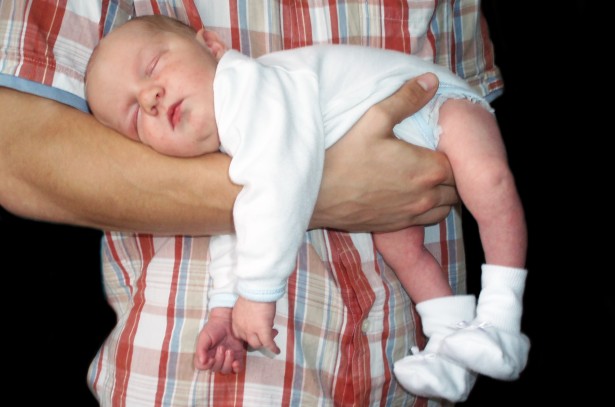
Harvard evolutionary biologist Professor David Haig believes that infants that wake frequently at night to breastfeed are delaying the resumption of the mother's ovulation and therefore preventing the birth of a sibling with whom they would have to compete.

Not many people care about where the yeast that makes much of modern beer possible came from. But science cares.

The cold-adapted yeast that blended with a distant cousin to make the lager-churning hybrid has been a biological black box for the last 500 years of industrial fermentation, even though fermentation underpins the production of everything from soy sauce to biofuel. A few years ago, scientists identified the South American yeast that, hundreds of years ago, somehow hitched a ride to Bavaria and combined with the domesticated Old World yeast used for millennia to make ale and bread to form the hybrid that makes lager or cold stored beer.


