




I generally didn't have much of an issue with the intent behind the High Quality Research Act.

Reductions in Arctic sea ice levels may nfluence patterns of atmospheric circulation both within and beyond the Arctic, according to a simulation using  2007 ice conditions, the second lowest Arctic sea ice extent in the satellite era. 

Two 30-year simulations, one using the sea ice levels of 2007 and another using sea ice levels at the end of the 20th century, were used to access the impact of ice free seas. The results showed a significant response to the anomalous open water of 2007.

People generally like the idea of wind energy, they just don't want generation facilities anywhere near their homes. Or, in the case of offshore wind power, their yachts.

But remote, cold places may be a better fit and a new forecast says that government mandates and subsidies in the range of approximately EUR 75 billion could lead to between 45 and 50 gigawatts of wind energy in cold climates by 2017.

Hospitalization due to surgery or critical illness can lead to cognitive dysfunction -   inattention, disorganized thinking, altered consciousness and prolonged disruptions in learning and memory functions - in some patients, especially the elderly.

The mechanisms whereby surgery and/or anesthesia may lead to cognitive impairment remain unclear but research has demonstrated that inflammation and release of pro-inflammatory molecules, like cytokines, play an important role in causing brain inflammation and cognitive decline after surgery.

Camels, valuable in desert regions throughout the world because of their ability to carry heavy loads over long distances without food or water, are divided into two species, the one-humped dromedary and the two-humped Bactrian camel.

Despite the extremely arid conditions where they are popular, camels also still provide enough milk for human consumption and also have an important role as a source of meat. Camels are specialists when it comes to adapting to the environment. Some characterize them as sustainable food producers. 

Researchers say their more reliable projections of global warming estimates at 2100 have narrowed the predicted range of global warming.

Hikers in New Hampshire's White Mountain National Forest often hit the trail less prepared than they should be, according to a survey that gaged readiness by how many of 10 essential items the hikers brought along. Which means hikers everywhere probably lack the same things, though experience obviously changes that.

Young and inexperienced hikers were most likely to lack multiple items recommended by the State of New Hampshire's HikeSafe program, according to a paper Wilderness&Environmental Medicine. Each year, scores of imperiled hikers require search and rescue missions in the state, but little quantitative research exists on how and why they end up in trouble.

Dr. Ian Marcus, recent Ph.D. from the U.C. Riverside Bourns College of Engineering, wanted to better understand how bacteria impact the environment . So he spent nearly a year building a system that replicates a human colon, septic tank and groundwater and "fed" the colon three times a day during week-long experiments to simulate human eating.

scientists typically study bacteria in an isolated environment under ideal growing conditions. That presents a problem because bacteria typically proliferate in microbial communities with other microorganisms such as archaea, fungi and protozoa.

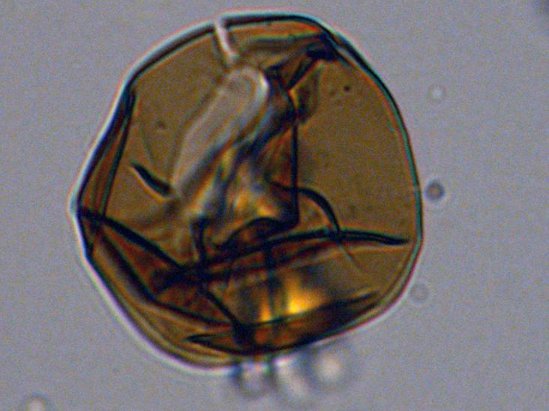
Before the Oligocene epoch some 33.6 million years ago, the Earth was a warm place with a tropical climate. In this region, plankton diversity was high until glaciation - the Antarctic continental ice cap - reduced the populations leaving only those capable of surviving in the new climate.

Since that time, we have had seasonal primary productivity of plankton communities. This ice-cap is associated with the ice-pack, the frozen part that disappears and reappears as a function of seasonal climate changes. This phenomenon, still active today, influences global food webs, according to a paper in Science which used information contained in ice sediments from different depths.
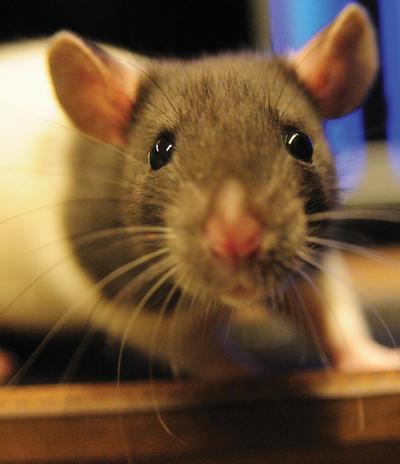
Rats move their eyes in opposite directions in both the horizontal and the vertical plane when running around. Each eye moves in a different direction, depending on the change in the animal’s head position,  according to a behavioral tracking study that used miniaturized high-speed cameras.

Like many mammals, rats have their eyes on the sides of their heads. This gives them a very wide visual field, useful for detection of predators. However, three-dimensional vision requires overlap of the visual fields of the two eyes. Thus, the visual system of these animals needs to meet two conflicting demands at the same time; on the one hand maximum surveillance and on the other hand detailed binocular vision.

