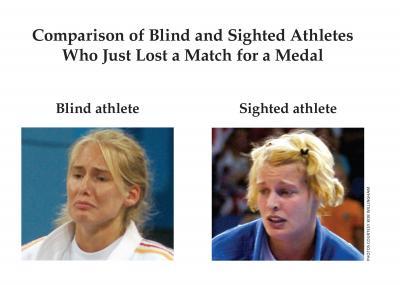
Facial expressions of emotion are hardwired into our genes, according to a study published today in the Journal of Personality and Social Psychology. The research suggests that facial expressions of emotion are innate rather than a product of cultural learning. The study is the first of its kind to demonstrate that sighted and blind individuals use the same facial expressions, producing the same facial muscle movements in response to specific emotional stimuli.
The study also provides new insight into how humans manage emotional displays according to social context, suggesting that the ability to regulate emotional expressions is not learned through observation.
New research in an animal model suggests that a diet high in inorganic phosphates, which are found in a variety of processed foods including meats, cheeses, beverages, and bakery products, might speed growth of lung cancer tumors and may even contribute to the development of those tumors in individuals predisposed to the disease.
The study also suggests that dietary regulation of inorganic phosphates may play an important role in lung cancer treatment. The research, using a mouse model, was conducted by Myung-Haing Cho, D.V.M., Ph.D., and his colleagues at Seoul National University, appears in the first issue for January of the American Journal of Respiratory and Critical Care Medicine, published by the American Thoracic Society.
Indulgence in a high-fat diet can not only lead to overweight because of excessive calorie intake, but also can affect the balance of circadian rhythms – everyone's 24-hour biological clock, Hebrew University of Jerusalem researchers have shown.
The biological clock regulates the expression and/or activity of enzymes and hormones involved in metabolism, and disturbance of the clock can lead to such phenomena as hormone imbalance, obesity, psychological and sleep disorders and cancer.
Back pain costs more than $100 billion annually in the U.S. but is the surgery to offset it cost effective? Obviously to people suffering any cost might be worth it but since most people today have health insurance, and the government is likely to institute some form of mandatory health care for those who don't, cost versus actual achieved benefit is an issue.
Agricultural crop production relies on composted waste materials and byproducts, such as animal manure, municipal solid waste composts, and sewage sludge, as a necessary nutrient source.
Some studies have shown that human hair, which is readily available as waste generated from barbershops and hair salons, combined with additional compost, could be an additional nutrient source for crops. Although human hair has become commercially available to crop producers in the past couple years, it has not been proven to be an exclusive source of nutrients in greenhouse container production.
Contact with nature has long been believed to increase positive feelings, reduce stress and provide distraction from the pain associated with hospital stays and researchers now say they have confirmed the beneficial effects of plants and flowers for patients recovering from abdominal surgery.
A recent study by Seong-Hyun Park and Richard H. Mattson, researchers from the Department of Horticulture, Recreation and Forestry at Kansas State University, provides evidence that contact with plants is directly beneficial to a hospital patient's health. Using various medical and psychological measurements, the study set out to evaluate if plants in hospital rooms have therapeutic influences.
Scientists at the Hebrew University of Jerusalem have succeeded in reversing brain birth defects in animal models, using stem cells to replace defective brain cells.
Neural and behavioral birth defects, such as learning disabilities, are particularly difficult to treat, compared to defects with known cause factors such as Parkinson’s or Alzheimer’s disease, because the prenatal teratogen – the substances that cause the abnormalities -- act diffusely in the fetal brain, resulting in multiple defects.
For the dwindling minority that still smokes and don't feel oppressed enough, here's something new to worry about; even if you choose to smoke outside of your house, thinking that you're keeping your kids away from second-hand smoke, you're still exposing them to toxins and potentially cognitive deficits, say researchers in the January issue of
Pediatrics. Did they do a clinical study? No, they did a survey and found people who agree. That is why I use the term
jumping the shark. Anti-smoking fundamentalists may have done it.
If your New Year's resolution is to lose weight, you aren't alone. (Although given the lack of follow-through among many of us, it should be named a New Year's dissolution.)
But this year, the ranks of tens of millions of adults trying to shrink the ever-expanding waistlines are swelling with an increasingly larger (no pun intended) population - overweight and obese children.
Case in point: the
January issue of Pediatrics. The majority of articles touch on the staggering consequences of overweight/obese pediatrics and adolescents, and their future looks anything but rosy.
University of Cincinnati researchers say they have discovered a new therapy for transplant patients; targeting the antibody-producing plasma cells that can cause organ rejection. Steve Woodle, MD, and colleagues found that a cancer drug. bortezomib, that is used to treat
multiple myeloma, or cancer of the plasma cells, is also effective in treating rejection episodes caused by antibodies that target transplanted kidneys and reversing rejection episodes that did not respond to standard therapies.
B-lymphocytes, or B cells, play a large role in the humoral immune response by making immune proteins that attack transplanted organs.