A new study in Clinical Pediatrics claims that the obesity 'tipping point', the point at which children begin their progression towards obesity in adulthood, begins at the age of two and sometimes as early as three months. The authors warn that while many adults consider a chubby baby healthy, too many plump infants grow up to be obese teens, saddling them with Type-2 diabetes, elevated cholesterol and high blood pressure
A team of scientists from Princeton University and The Cancer Institute of New Jersey are attempting to unravel the secret lives of cancer cells that go dormant and self-cannibalize to survive periods of stress, a process called autophagy. The work may help produce new cancer therapies to stem changes that render cancer cells dangerous and resistant to treatment.
When administered in lethal levels, antibiotics trigger a fatal chain reaction within bacteria that shreds the cell's DNA. But, when the level of antibiotic is less than lethal the same reaction causes DNA mutations that are not only survivable, but actually protect the bacteria from numerous antibiotics beyond the one it was exposed to, says a new study recently published in Molecular Cell. The findings underscore the potentially serious consequences to public health of administering antibiotics in low or incomplete doses.
An analysis of available research on the topic (three studies) suggests that eating choclate may reduce your risk of stroke. Chocolate is rich in antioxidants called flavonoids, which may have a protective effect against stroke, but more research is needed, concluded the analysis that will be presented at the American Academy of Neurology's 62nd Annual Meeting in Toronto April 10 to April 17, 2010.
The first study found that 44,489 people who ate one serving of chocolate per week were 22 percent less likely to have a stroke than people who ate no chocolate. The second study found that 1,169 people who ate 50 grams of chocolate once a week were 46 percent less likely to die following a stroke than people who did not eat chocolate.
Data collected on speleothem encrustations, a type of mineral deposit, in coastal caves on the Mediterranean island of Mallorca indicate that sea level was about one meter above present-day levels around 81,000 years ago. The finding challenges other data that indicate sea level was as low as 30 meters below present-day levels. Theories about the rates of ice accumulation and melting during the Quaternary Period may need to be revised as a result of the findings, which appear this week in Science.
The sea level high stand of 81,000 years ago was preceded by rapid ice melting, on the order of 20 meters of sea level change per thousand years and the sea level drop following the high water mark, accompanied by ice formation, was equally rapid.
Arizona State University researchers have developed the first versatile DNA reader that can discriminate between DNA's four core chemical components, the key to unlocking the vital code behind human heredity and health. If the process can be perfected, DNA sequencing could be performed much faster than current technology, and at a fraction of the cost.
Depicting a cause-and-effect scenario that spans thousands of miles, scientists report in Geophysical Research Letters that ocean waves originating along the Pacific coasts of North and South America could play a role in the catastrophic collapse of Antarctic ice shelves.
Storm-driven ocean swells travel across the Pacific Ocean and break along the coastlines of North and South America, where they are transformed into very long-period ocean waves called "infragravity waves." The transformed waves then travel vast distances to Antarctica.
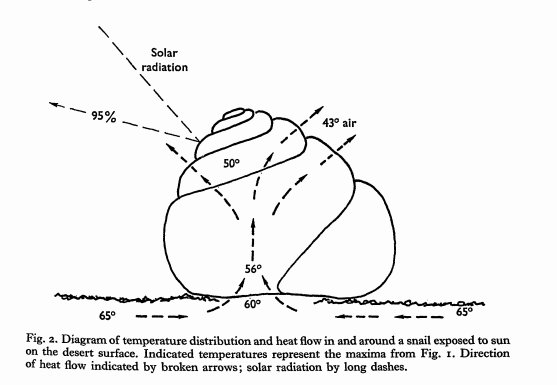
Do Disturbed Snails Have Panic Attacks?
Whilst researching some applications of the laws of thermodynamics to the biochemical processes in living things, I came across some very intriguing facts about snails.
Living things react to changes of heat in the environment in two broad ways: through thermoregulation or through thermoconformity. Thermoconformers are constrained to follow the temperature of their immediate environments. Thermoregulators adjust their temperatures within a range which may lie within, or overlap, the environmental temperature range.
Climate Shift Causes Problems In China And TibetRecord temperatures and severe drought in China
The worst drought in 60 years that has left millions of people in Yunnan province lacking drinking water has also fueled forest fires and threatened local energy supplies.
A local official said late Sunday the drought has inflicted a direct agricultural economic loss of 6.5 billion yuan ($952 million) in Yunnan.
The province has earmarked 389 million yuan ($57 million) for drought relief, said Zhou Yunlong, head of the provincial water resources bureau.
If the folks behind the Diagnostic and Statistical Manual of Mental Disorders (DSM) were crafty, they would have latched on to the upcoming movie, "The Crazies," for some free publicity.1 Although that's probably not quite the image they want to convey, so maybe it was a shrewd non-move after all. Well played, American Psychiatric Association.