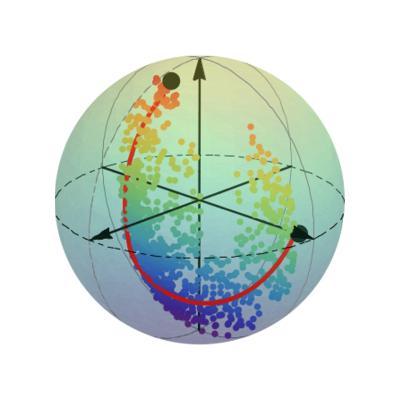





As a quantum state collapses from a quantum superposition to a classical state or a different superposition, it will follow a path known as a quantum trajectory. For each start and end state there is an optimal or "most likely" path, but it is not as easy to predict the path or track it experimentally as a straight-line between two points would be in our everyday, classical world.

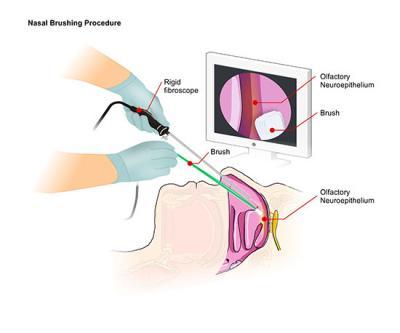
A nasal brush test can rapidly and accurately diagnose Creutzfeldt-Jakob disease (CJD), an incurable and ultimately fatal neurodegenerative disorder.

Up to now, a definitive CJD diagnosis requires testing brain tissue obtained after death or by biopsy in living patients but a new paper in the New England Journal of Medicine shows it can be done through the nose. 

Your stress levels may be another thing you can blame on your mother. Scientists investigating pregnancies in four generations of rats show that inherited epigenetic effects of stress could affect pregnancies for generations. 

The researchers believe that these changes are due to epigenetics - the arrangement and expression of our genes. In most cases this refers to DNA methylation of the nucleotide base pairs. In this study the researchers believe the epigenetic changes are due to microRNA (miRNA) - non-coding RNA molecules that play a role in regulating gene expression.

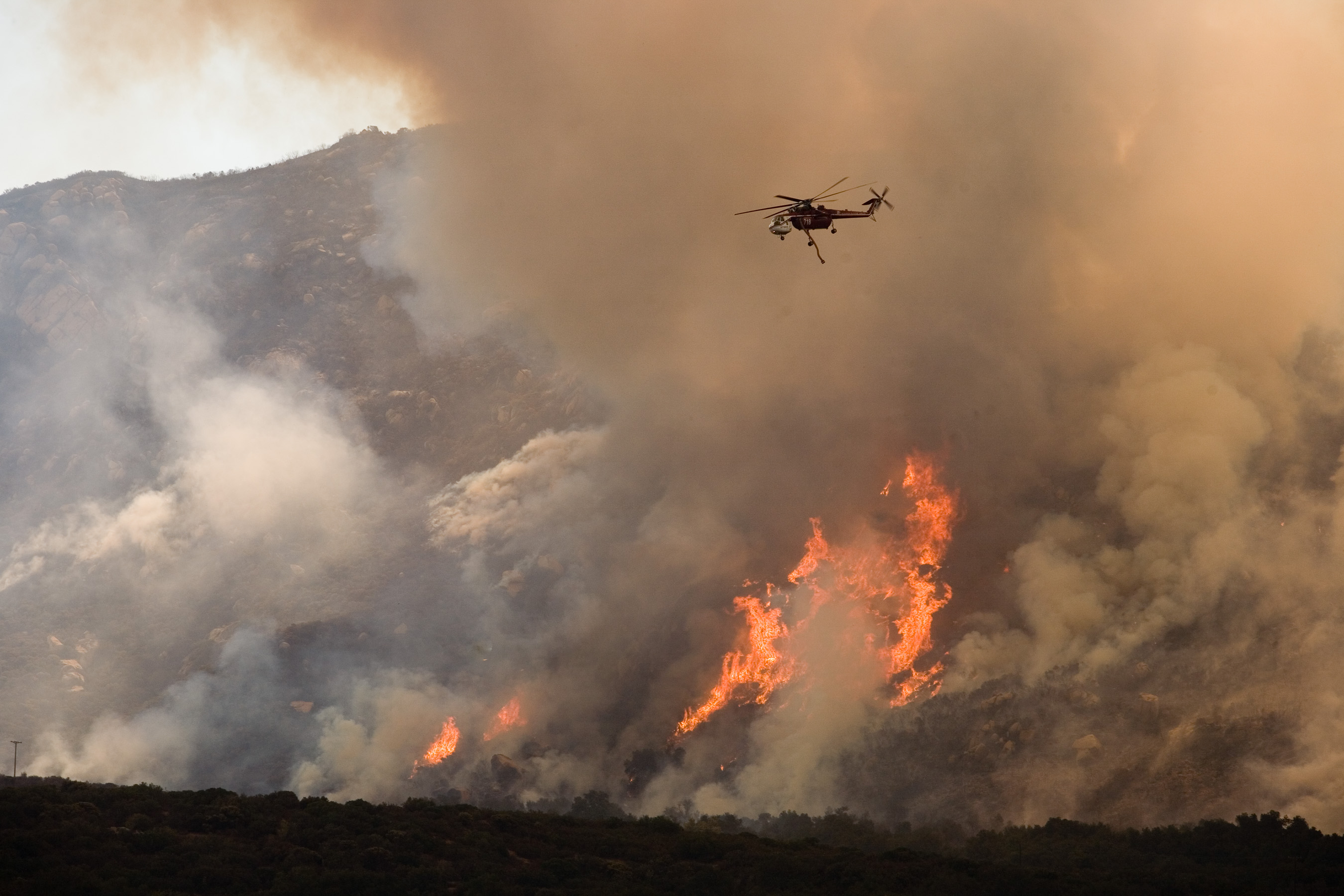
Southern California is aghast that cities are now enforcing water usage cutbacks during the ongoing drought - it's because during the mandatory restrictions, while the farming regions of central California have met their targets, water usage in southern California actually went up.

They may not know something that most people in California realize - California is a desert and its water comes from dams and rivers north of them in California, and in Colorado. Rather than being a green paradise, California was mostly sparsely-inhabited desert prior to European colonization - its history has been drought and fire, the boom and bust of nature that gives and takes away.

Slippery as an eel may be a popular phrase but it turns out they are a lot easier to catch when marine vessels make noise nearby.

In a Global Change Biology paper, researchers from the Universities of Exeter and Bristol found that fish exposed to playback of ship noise lose crucial responses to predator threats - European eels (anguilla anguilla)were 50% less likely to respond to an ambush from a predator, while those that did had 25% slower reaction times.

Those that were pursued by a predator were caught more than twice as quickly when exposed to the noise.  

Mutations in a gene named
CTR9 gene
that helps regulate when genes are switched on and off in cells have been found to cause rare cases of Wilms tumor, the most common kidney cancer occurring in children.


Europe is so far ahead of the US in its thinking on antibiotics and antibiotic resistance that we should all be ashamed.

For the last 15 years, Europe has led the way on the regulatory front making antibiotic development a top priority for its regulatory body the European Medicines Agency.  None of the recent US administrations going back to Bill Clinton nor the FDA itself ever made such a statement nor have they acted in a way commensurate with this thinking.


The 21st century will be the century of the 'smart home', where your home and your portable technology all interact seamlessly with one another.

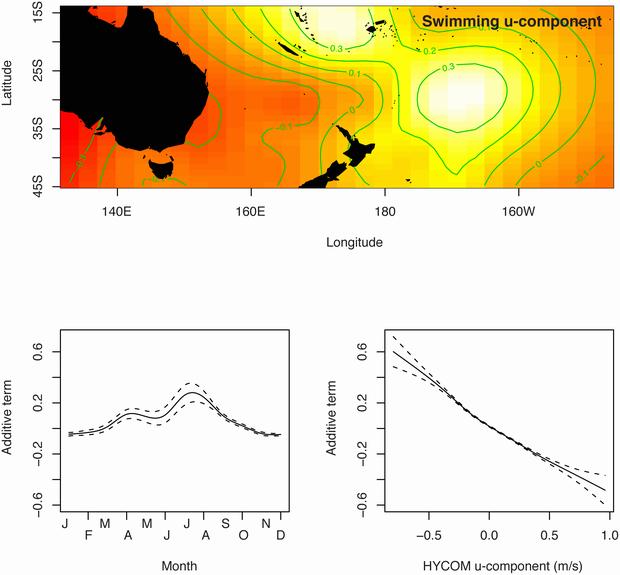
Juvenile loggerhead turtles don't just passively drift through life, they swim into oncoming ocean currents, according to a new study.

Lanternsharks produce and perceive bioluminescent light in order to communicate, find prey, and camouflage themselves against predators in the mesopelagic twilight zone.

The mesopelagic twilight zone is 200-1000 meters deep in the sea - a vast, dim habitat, where, with increasing depth, sunlight is progressively replaced by point-like bioluminescent emissions. To better understand strategies used by bioluminescent predators inhabiting this region that help optimize photon capture, the authors of a new study analyzed the eye shape, structure, and retinal cell mapping in the visual systems of five deep-sea bioluminescent sharks, including four Lanternsharks (Etmopteridae) and one kitefin shark (Dalatiidae).

