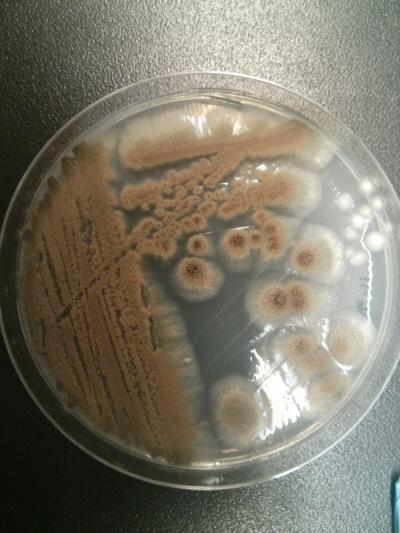

A fungus living in the soils of Nova Scotia may be a secret weapon in the battle against drug-resistant germs that kill tens of thousands of people every year, including one considered a serious global threat.

A team of researchers has discovered a fungus-derived molecule known as AMA is able to disarm one of the most dangerous antibiotic-resistance genes: NDM-1 or New Delhi Metallo-beta-Lactamase-1, identified by the World Health Organization as a global public health threat.  

Discovering the properties of the fungus-derived molecule is critical because it can provide a means to target and rapidly block the drug-resistant pathogens that render carbapenem antibiotics—a class of drugs similar to penicillin—ineffective.

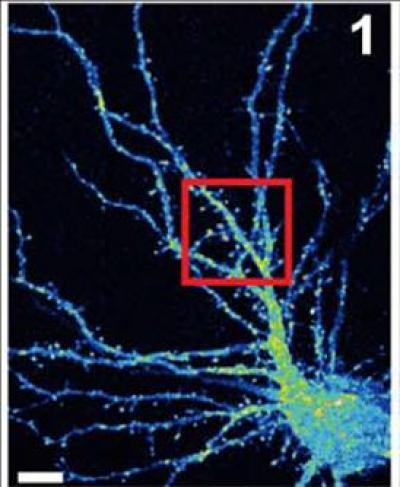
Cold Spring Harbor, NY – There are new clues about malfunctions in brain cells that contribute to intellectual disability and possibly other developmental brain disorders.

Professor Linda Van Aelst of Cold Spring Harbor Laboratory (CSHL) has been scrutinizing how the normal version of a protein called OPHN1 helps enable excitatory nerve transmission in the brain, particularly at nerve-cell docking ports containing AMPA receptors (AMPARs). The study provides new mechanistic insight into how OPHN1 defects can lead to impairments in the maturation and adjustment of synaptic strength of AMPAR-expressing neurons, which are ubiquitous in the brain and respond to the excitatory neurotransmitter glutamate.

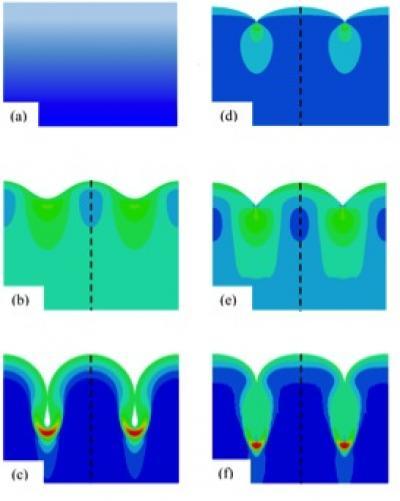
Wrinkles, creases and folds are everywhere in nature, from our skin to the buckled crust of the Earth. They're useful structures for engineers. Wrinkles in thin films, for example, can help make durable circuit boards for flexible electronics.

A new mathematical model developed by researchers from Brown University could help engineers control the formation of wrinkle, crease, and fold structures in a wide variety of materials. It may also help scientists understand how these structures form in nature. 

How common are taste metaphors? So common we don't even know they are metaphors.

When a kind smile is described as "sweet," or a resentful comment is considered "bitter," we most likely don't even think of those words as metaphors. But while it may seem to our ears that "sweet" by any other name means the same thing, new research shows that taste-related words actually engage the emotional centers of the brain more than literal words with the same meaning.

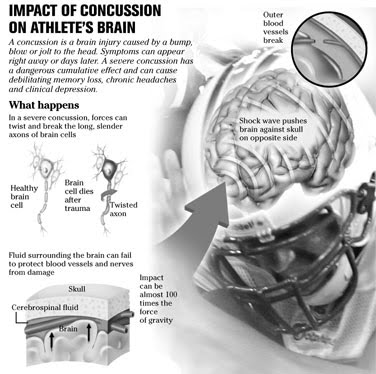
To read media accounts and claims by lawyers, everyone in the NFL except kickers is suffering some sort of brain damage. It was only a matter of time before those same claims were being made about pee-wee league football also/

While there are obviously cases in which that has happened, in-depth neurological examinations of 45 retired NFL players, ranging in age from 30-to 60-years old, using magnetic resonance imaging (MRI), susceptibility weighted imaging (SWI), diffusion tensor imaging (DTI) along with comprehensive neuropsychological and neurological examinations, interviews, blood tests and APOE (apolipoprotein E) genotyping, found that most players haven't been affected. 

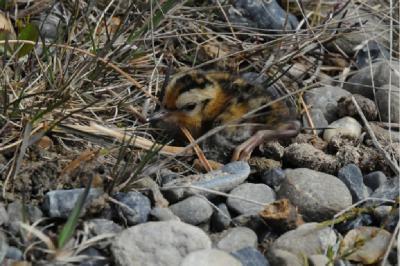
A new study finds that migratory birds that breed in Arctic Alaska are initiating nests earlier in the spring, and that snow melt occurring earlier in the season is a big reason for it.  

The researchers looked in nearly 2,500 nests of four shorebird species: semi-palmated sandpiper, red phalarope, red-necked phalarope, and pectoral sandpiper, and one songbird, the lapland longspur, and recorded when the first eggs were laid in each nest. The research occurred across four sites that ranged from the oilfields of Prudhoe Bay to the remote National Petroleum Reserve of western Arctic Alaska.

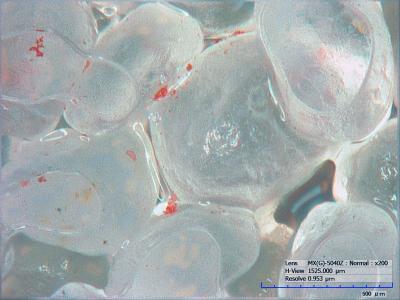
If there is a spill, the chemical makeup of wastewater generated by fracking could cause the release of tiny particles in soils that might bind heavy metals and pollutants, Cornell University researchers have found.

If you ask one scientist to guess how many jelly beans are in a jar, unless they have worked specifically on that problem before, their guess won't be very accurate. But if you ask 500 random people, the mean of their responses will be quite accurate.

If you ask experts to predict the future of science and technology, will they be more accurate? SciCast, the government crowd-sourcing project, hopes so. They are asking for participants to make their predictions.
Knowing where water vapor is in the atmosphere is one of many factors forecasters use to identify weather features and so the GOES Project has created animations that indicate where water vapor is moving over the Atlantic and Eastern Pacific oceans.

Observations from the National Oceanic and Atmospheric Administration's Geostationary Operational Environmental Satellites (GOES) measure the local air temperature in kelvins (degrees Kelvin) at different layers of the atmosphere.

Space debris in Earth's orbit, especially small things that are untraceable and unavoidable, have been a growing concern. Experiments and satellites need to be as light as possible so numerical simulation can be used to enhance or improve the protection structure of the spacecraft, and reduce the harm of the space debris.

