While modern weedkillers are great about using fewer chemicals and therefore less runoff into streams, the organic manufacturing process uses older, less effective compounds and that means on a calorie-per-calorie basis, the harm to the environment may be substantial. Water contaminated with copper sulfate, the most popular organic weedkiller, is harmful to crops, animals, and people.
One way to keep a healthy genetic population is a diverse enough group that there can be a random exchange of material. If that is a big factor, then geographically isolated giraffes on preserves may be at future risk.
If you have traveled, you have seen someone who is a frequent traveler be offered an upgrade but decline because they are with someone else and want to stay together. This is rare in other species.
Yet not all experiences get equal treatment - if a parent is traveling with a child they may take the upgrade to give it to the child - and
a new paper sought to understand how consumers make trade-offs between experience quality and togetherness. The authors write that consumers prioritize physical togetherness with relationship partners over opportunities that would improve an experience in real time.
It is well established that although acupuncture, chiropractic care, massage therapy, yoga, and meditation/mindfulness market themselves as Asian traditional techniques that will help buyers avoid the same Big Pharma industry that gives us cancer treatments and vaccines, the overwhelming users in America are not Asians at all, they are wealthy white female progressives.
In the 1990s, culture seemed to truly get that cigarettes and the damage they cause are the leading preventable lifestyle killer. Tobacco companies got penalized to the tune of tens of billions of dollars for their part in suppressing data showing the harms of smoking but instead of celebrating the win and using that money to promote smoking cessation and harm reduction, much of it went to trial lawyer yacht payments and the "expert witnesses" they support.
Some went to anti-smoking groups, who were now reliant on Big Tobacco money and, you guessed it, then had to get allied epidemiologists to start promoting a new lawsuit, this time for second-hand and even third-hand smoke as causes of cancer.(1)
You may not know it, but the US Department of Agriculture does; if there is detection of an antibiotic in an animal off to the processing plant, the entire railcar full will be destroyed. On the other hand, if you never use antibiotics for a sick animal, you are being inhumane and jeopardizing a whole herd.
A decade ago, automated telephone menus were what everyone hated. It was common to press 0 or yell 'Agent' at the phone because you knew that after inputting everything it wanted, when you got to an agent they were going to ask you for everything all over again.
Today, you probably ignore the chat window that opens up on a website, especially if you think it is a bot. A Verizon bot is going to be able to help you with nothing, so going back to find your account number, which means closing the chat window, is a waste of time, when the real agent who replies will ask for it all over again(1)
Cooperative breeders, where we count on the help of others to raise offspring,is not unique to humans. It may only appear that way.
A new paper amassed data from 90 human populations comprising 80,223 individuals from many parts of the world — both historical and contemporary. They compared the records for men and women to lifetime data for 45 different nonhuman, free-ranging mammals. The argue that humans are a non-exceptional species of mammal. Says first author Cody Ross, PhD, anthropologist at the Max Planck Institute; “we can quite successfully model reproductive inequality in humans and nonhumans using the same predictors.”
A new demography paper argues that there is a reason more black women have voted for Democrats than men have since 1980 - more black men are in jail.
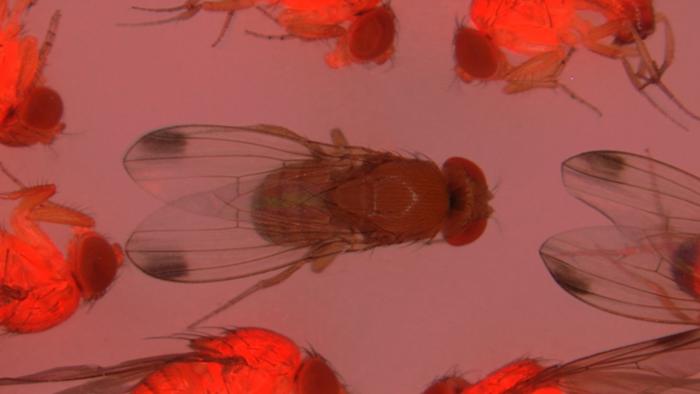
CRISPR/Cas9 technology
has led to a “homing gene drive system” based on a specific
Drosophila suzukii gene called doublesex that can suppress populations of
D. suzukii
vinegar flies – the “spotted-wing Drosophila” that devastate soft-skinned fruit in North America, Europe and parts of South America.