

Sophisticated germ fighters found in alligator blood may help future soldiers in the field fend off infection, according to new research by George Mason University.

The study, published Feb. 11 in the scientific journal PLOS One, is the result of a fundamental research project supported by the Defense Threat Reduction Agency (DTRA) to find bacterial infection-defeating compounds in the blood of the crocodilian family of reptiles, which includes American alligators.

The project is about to start its fourth year and has received $6 million in funding to date from DTRA. If fully funded over five years, the project will be worth $7.57 million.

Alligators live in bacteria-filled environments and dine on carrion. Yet this ancient reptile rarely falls ill.

Influenza has a long history of being one of the most deadly diseases to afflict humanity, but what exactly makes it so dangerous?

Certainly one reason is that influenza viruses have a history of jumping from other animals to humans, which, when the trans-species virus is new to the human population, generally means that human immune systems have no natural resistance. Another reason is that influenza viruses, with their rapidly mutating single-strand RNA genomes, are highly variable over time.


If you thought it has been a while since you heard any more rumors about the long-awaited Apple TV, they are about to be replaced by even more exciting possibility - that Apple may be about to build an electric car.

The Wall Steet Journal kicked things off with a report that Apple had been hiring “hundreds” of staff with automotive design skills to work on a project called “Titan” that may be a self-driving electric vehicle configured in a (not-so-exciting) mini-van design.

Surgeons and transplant centers nationwide increasingly have rejected hearts donated for transplantation despite a growing need for them, according to a new study which also found that the rejection of "marginal" donor hearts - those with undesirable qualities, such as being small or coming from an older donor - varied significantly across geographical regions.

In other words, some hearts rejected in one region would be accepted in another.

A psychedelic drug, (R)-DOI, prevents the development of allergic asthma in a mouse model. The effects are potent and effective at a concentration 50-100 times less than would influence behavior.

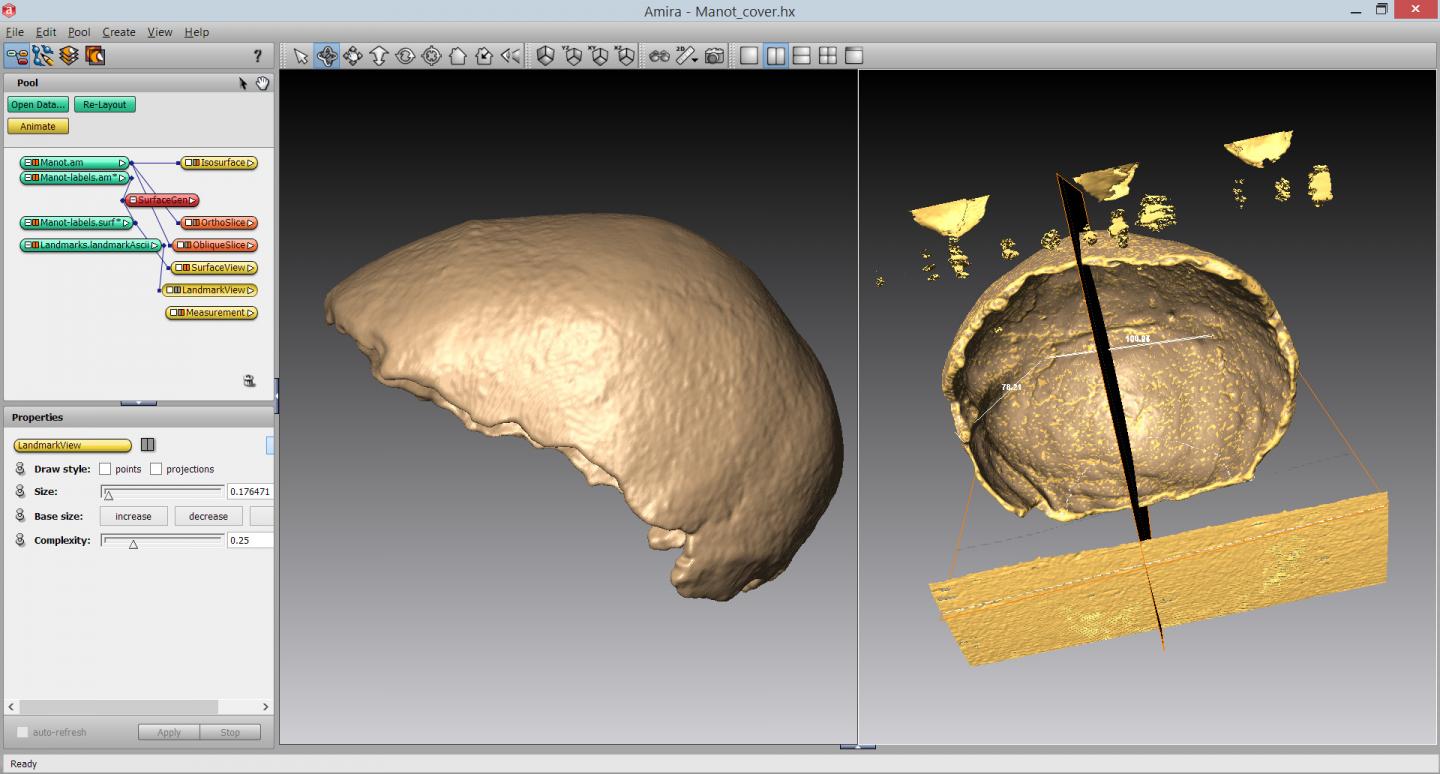
In Manot, a karstic cave in the North of Israel close to the Lebanese border, excavations that began in 2010 have documented the peopling of the cave for over 100,000 years.

Around 30,000 years ago, the roof of the cave collapsed and sealed the archaeological layers until the 21st century. Beside stone tools and animal bones, some few human remains were preserved. The most spectacular finding was made on an elevated shelf within a small chamber of the cave: a very well preserved "calotte", the upper part of a braincase.

The facial bones which contain a lot of diagnostic traits were missing.

Amid the growing debate about the high price of powerful new drugs in the United States, a recent analysis suggests that breakthrough therapies for blood cancers may, in many cases and with some important caveats, provide reasonable value for money spent. Researchers present this viewpoint, based upon a comprehensive analysis of published cost-effectiveness ratios, online today in Blood, the Journal of the American Society of Hematology (ASH). The manuscript is being published as a Blood Forum article, a feature of the journal designed to present well-documented opinions on controversial topics and provide a sounding board for issues of importance to the science and practice of hematology.

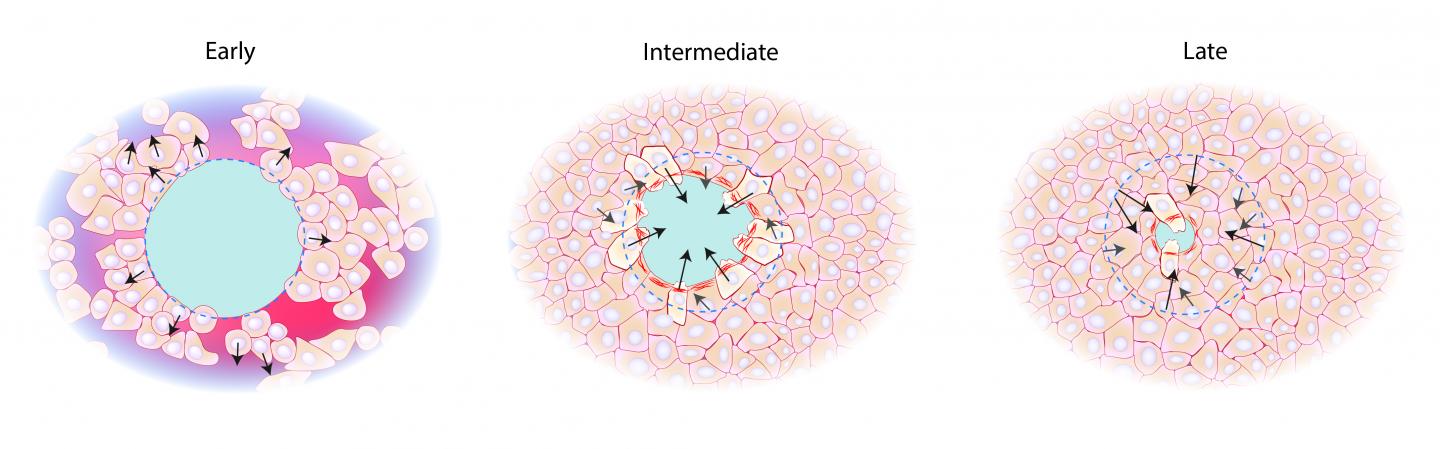
A collaborative study led by scientists from the Mechanobiology Institute (MBI) at the National University of Singapore (NUS) has revealed the mechanical forces that drive epithelial wound healing in the absence of cell supporting environment. This research was published in Nature Communications in January 2015.

Skin not only provides an essential protective barrier against foreign materials and pathogens, but it also helps the body retain various fluids and electrolytes. When this barrier is damaged, the consequences can be devastating. Ulcers, bleeding and bacterial infections may result and the chances of these occurring increases the longer wounds remain open.

A barrier to increased human papillomavirus (HPV) vaccination has been the concern that it may promote unsafe sexual activity, but a new study of adolescent girls finds that HPV vaccination was not associated with increases in sexually transmitted infections (STIs).

Both weight gain and weight loss in older (postmenopausal) women are associated with increased incidence of fracture, but at different anatomical sites, finds a study published in The BMJ this week.

The findings also challenge the traditional view that weight gain protects against fractures.

The influence of body weight on the risk of fracture is complex. Low body weight is a well recognised risk factor for fracture, but obesity also increases the risk of fracture at some sites. How fracture patterns differ after intentional and unintentional weight loss in postmenopausal women is also unknown.

