







In a bygone era, the macho stereotype of the maverick doctor bucking convention, or the Marine running toward danger rather than away from it, inspired young men to want to be bold.

No longer. Modern youth have become so convinced that being bold is a negative that they perceive occupations like that as a 'macho' stereotype and are driven away because they do not feel competent.  Although numerous papers have noted the negative impact of gendered workplace stereotypes on women, far less attention has been paid to their effect on men.   


Sunlight is the best medicine. rishibando, CC BY-NC

By Christopher Sampson, University of Nottingham

Ten years after carbon emissions happen, the warming effect is maximized. Methane is even quicker, and far more potent, though it also disappears much more rapidly.

It's always a good idea to reduce cost and radiation and when it comes to kids and chest X-rays, that cost reduction should be happening a lot more.

I remember a funny shirt I once saw at a physics conference - it gave 10 tips on what to do when "everything else fails". Here is the list:
10. Subtract Infinity
9. Add heavy fermions
8. Set all fermion masses to zero
7. Invent another symmetry
6. Throw it on the lattice
5. Blame it on the Planck scale
4. Recall the success of the SM
3. Invoke the Anthropic Principle
2. Wave hands a lot, speak with a strong accent
1. Manipulate the data

If you ask a female doctor why she didn't go into physics, she is not going to tell you it's because there are more men in physics and that is intimidating. Instead, she will say it's because she wanted to help people or she liked medicine.

Yet a number of sociological claims insist she doesn't really know why she chose not to go into physics, and it may instead be because of subtle self-bias or stereotype threat. 

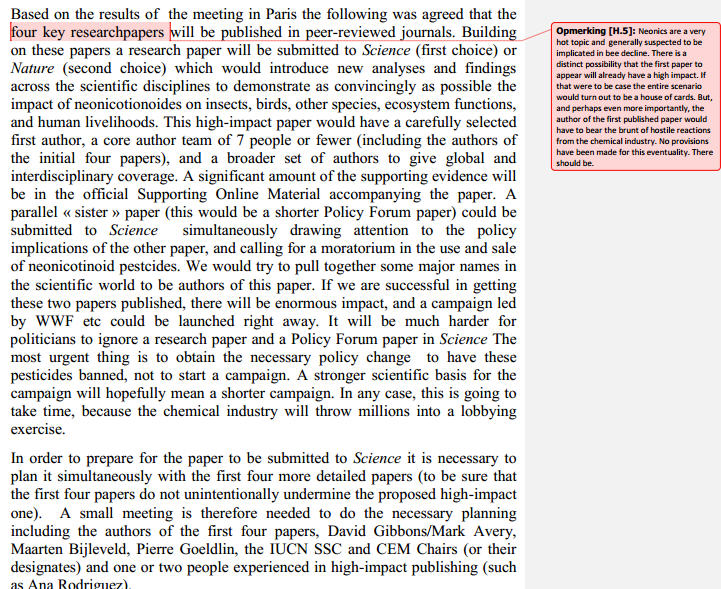
Imagine a scenario where a group of people get together to frame the debate about science and even set out to conspiratorially place papers in highly-respected journals, selecting the ideal names to have on the paper and which publications would be most likely to publish it.

It must be those evil corporate chemical shills again, right?

Not this time, it was the International Workshop On Neonicotinoids in 2010 and it explains a lot about how the anti-science contingent has managed to maintain so much mindshare in media: they know how to work the system and created a 4-year plan to do just that.
Just for yucks, let’s go back a few years and see how well people did in forecasting drug prices in the future.

Within the past decade, we began to hear the term “patent cliff”—the consequence of most blockbuster drugs losing patent protection during a short period of time. Perennial critics of the pharmaceutical industry were experiencing paroxysms of joy as the holy grail of health care savings—generic drug companies—became able to sell cheap copies of formerly multi-billion dollar products. 

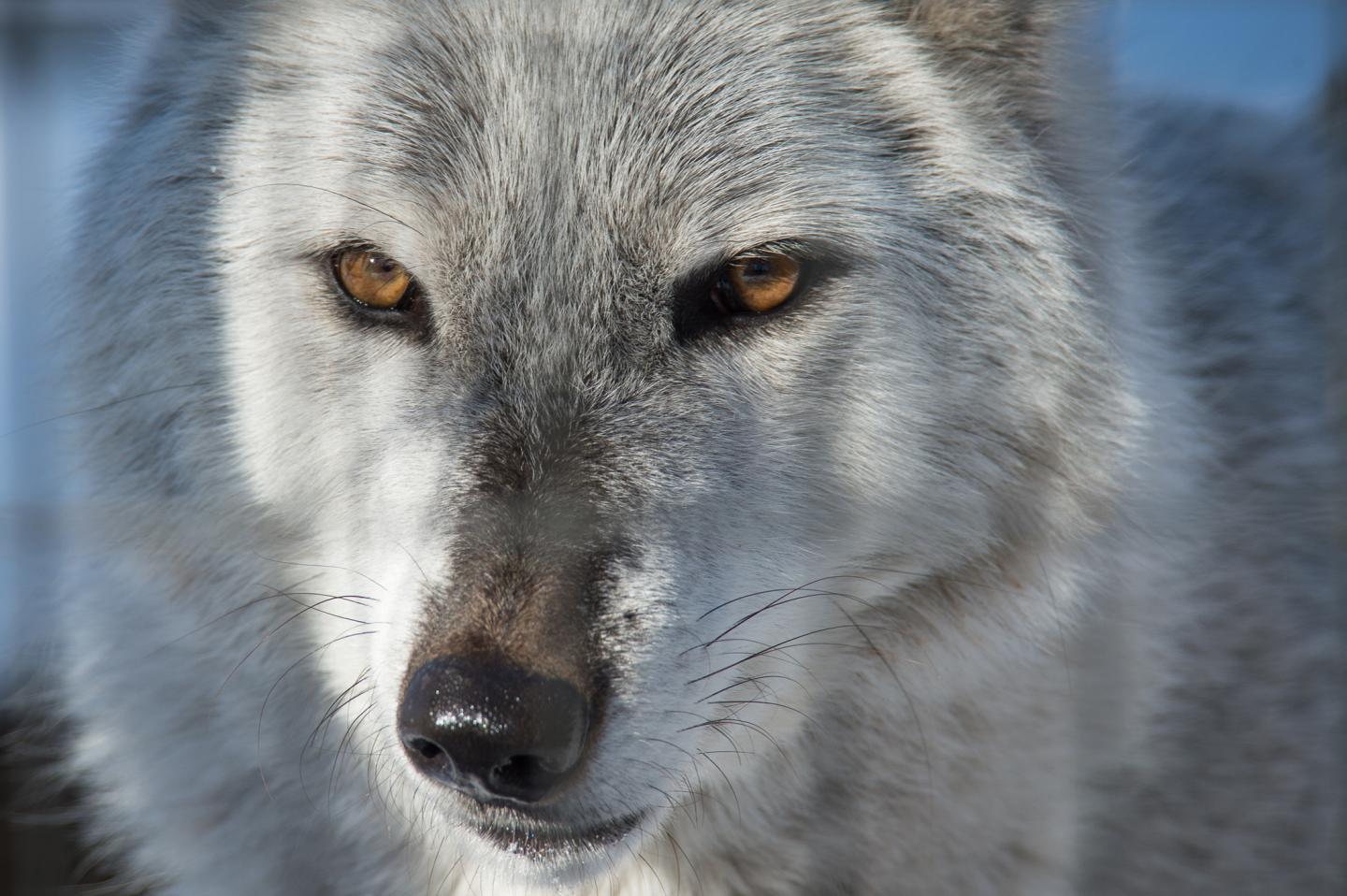
If you have talked to ranchers or people who live near wolves about being able to shoot them without landing in prison with a mandatory Federal jail sentence, the response is clear: Wolves have to be controlled. If you talk to urban activists or people who hike on state game lands a few weekends a year, wolves are cute and anyone who shoots one should go to jail.

Yet that is not the real issue, according to the authors of a new paper that used surveys as their evidence. They believe the reason for the rancor is fear of wolves or the urge to care for canis lupis. It's simply social identity theory at work. People who live near wolves have never heard of that but they already know where the article in PLOS ONE is going.

The sons of fathers with criminal records tend to have less intelligence than sons of fathers with no criminal history, according to data from over 1 million Swedish men compiled as part of the Swedish mandatory conscription program.

 Population analyses have found that children of parents who engage in "antisocial" behaviors, such as rule-breaking, aggressive, or violent behavior, are at greater risk for various negative outcomes, including criminality, psychiatric disorders, substance use, and low academic achievement. Other papers have found that individuals who engage in antisocial behaviors tend to have poorer cognitive abilities than those without antisocial tendencies.


