





There are few things as spectacular as flying into Pennsylvania in the autumn. The myriad vibrant colors in the trees inspire people to take jaunts into the countryside. 

That will still happen in the future, it may just come later next century, according to new research, because climate change could postpone fall leaf peeping in some areas of the United States as summer temperatures linger later into the year.

The paper birch, a popular foliage tree that is the state tree of New Hampshire, could change color one to three weeks later by the end of the century, Princeton researchers write


Is protest pointless or productive? Credit: EPA

By Olaf Corry, The Open University

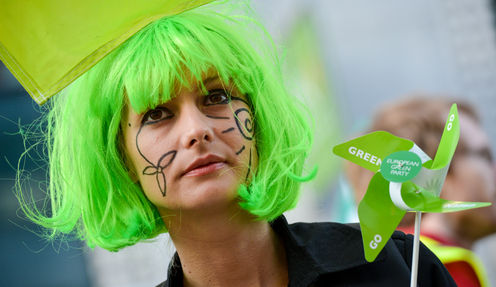
It is set to be one of the largest ever coordinated protests. The People’s Climate March is due to take place in cities all over the world this weekend to try and influence the UN climate summit that follows on September 23. The marches promise to be a major global event, billed by organizers as an “unprecedented mobilization”.


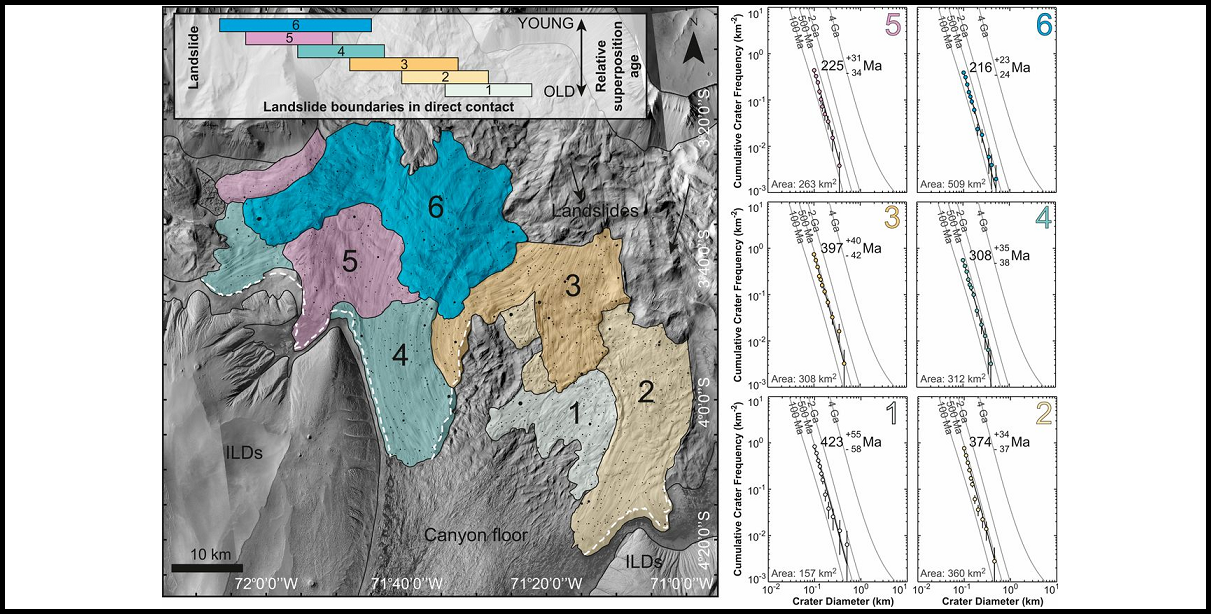
Landslides on Mars typically have runout distances much larger than equivalent features on Earth, and therefore can interact with older landforms that are distal to the failure scarp.

Regardless of the exact formation mechanism of these landslides, it is evident that their combined large area and relatively well constrained formation age can be exploited to better understand the evolution of coincident features, particularly if those features have been modified since the landslide event.

An international research consortium has found that longer telomeres increase the risk of melanoma.


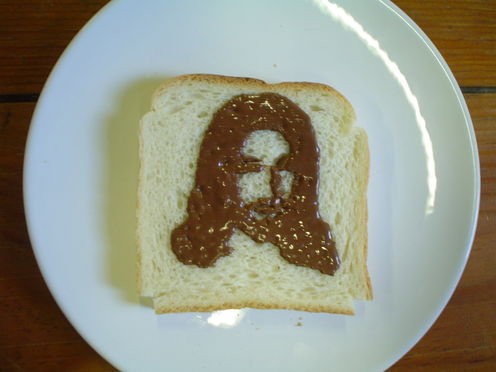
Lord Toast. Credit: Catarina Mota, CC BY-NC-SA

By Akshat Rathi, The Conversation and Flora Lisica, The Conversation

The 24th Ig Nobel prizes were announced on September 18th. The prizes annually award scientific research that “first makes people laugh and then makes them think."

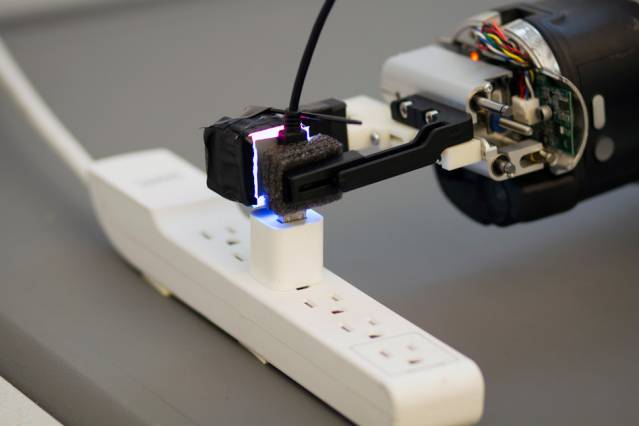
Researchers have equipped a robot with a novel tactile sensor that lets it grasp a USB cable draped freely over a hook and insert it into a USB port. Its processing algorithm is faster, so it can give the robot feedback in real time. 

The sensor is an adaptation of a technology called GelSight, which was developed by the lab of Edward Adelson, the John and Dorothy Wilson Professor of Vision Science at MIT, first described in 2009. The new sensor is less sensitive than the original GelSight sensor, which could resolve details on the micrometer scale, but it's smaller and faster.


Could novels help us fight climate change? Credit: Asian Development Bank/flickr

By Stephanie LeMenager, University of Oregon

A frail risk analyst rediscovers his inner frontiersman in a devastating flood that hits Manhattan; an insightful rural woman glimpses the grace of god in the revelations of biological science; genetically engineered hominids who purr themselves to wellness inherit a devastated Earth.

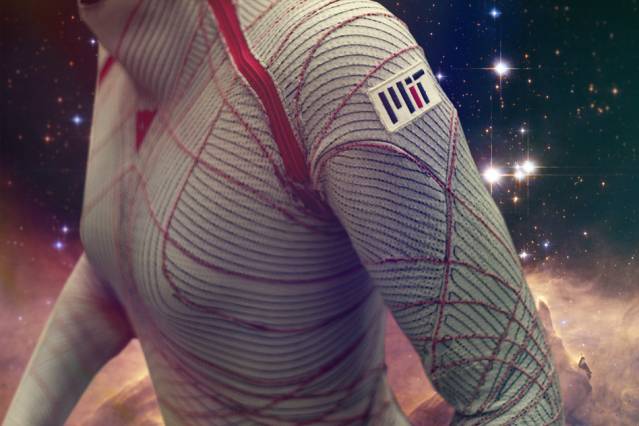
For future astronauts, the process of suiting up may go something like this: Instead of climbing into a conventional, bulky, gas-pressurized suit, an astronaut may don a lightweight, stretchy garment, lined with tiny, musclelike coils. She would then plug in to a spacecraft's power supply, triggering the coils to contract and essentially shrink-wrap the garment around her body.

The skintight, pressurized suit would not only support the astronaut, but would give her much more freedom to move during planetary exploration. To take the suit off, she would only have to apply modest force, returning the suit to its looser form.

A new review of literature suggests that while domestic violence rates are higher for homosexual couples, they aren't as high as previous studies have found, and the authors of the paper say the minority stress model may explain the high prevalence rates.

Previous studies indicate that domestic violence affects up to 75 percent of lesbian, gay and bisexual individuals. A lack of representative data and underreporting of abuse paints an incomplete picture of the true landscape, suggesting even higher rates. By comparison, 25 percent of heterosexual women report domestic abuse while heterosexual men have rates much lower.  

Mobile phones are in the hands of 80 percent of Americans so manufacturers are scrambling to find new ways to keep people buying the next model.

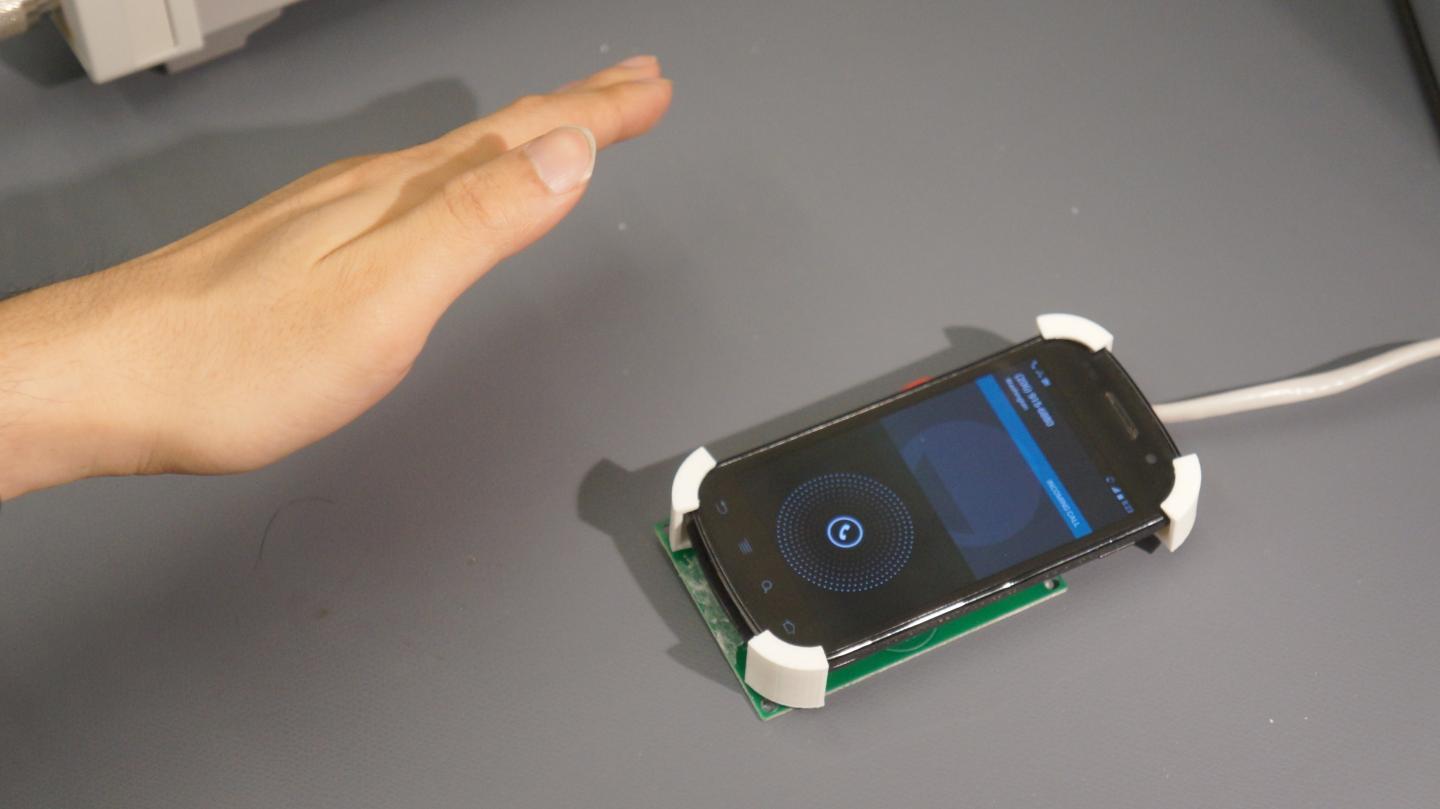
Being able to use gestures in the space around the phone rather than needing a screen may be the next big thing. Some smartphones have incorporated 3-D gesture sensing based on cameras, for example, but cameras consume significant battery power and require a clear view of the user's hands.

University of Washington engineers have developed a new form of low-power wireless sensing technology that could soon contribute to this growing field by letting users "train" their smartphones to recognize and respond to specific hand gestures near the phone.

