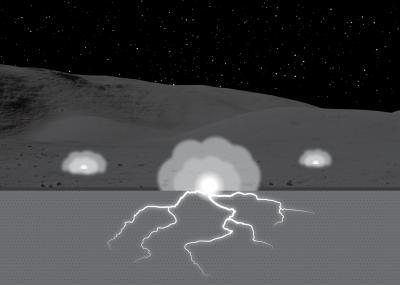




The moon is a tranquil place but an article in the Journal of Geophysical Research-Planets suggests that periodic storms of solar energetic particles may have significantly altered the properties of the soil in the moon's coldest craters through the process of sparking - it just took eons.

The article proposes that high-energy particles from uncommon, large solar storms penetrate the moon's frigid, polar regions and electrically charge the soil. The charging may create sparking, or electrostatic breakdown, and this "breakdown weathering" process has possibly changed the very nature of the moon's polar soil, suggesting that permanently shadowed regions, which hold clues to our solar system's past, may be more active than previously thought.

The recently published genome of Brassica napus — commonly known as canola — paves the way for improved versions of the plant, which is used widely in farming and industry. 

Young girls with an intense, red, itchy rash on their outer genital organs - vulvitis - may be at increased risk of developing urinary tract infections, according to new research from Wake Forest Baptist Medical Center. 

Vulvitis is not a disease, but rather inflammation of the the vulva. It is the most common gynecological condition in pre-menstrual girls and is the greatest reason for referral to a pediatric gynecological specialist. 

The treatment may be as simple as better hygiene and avoiding potential irritants such as bubble baths and swimming pools.

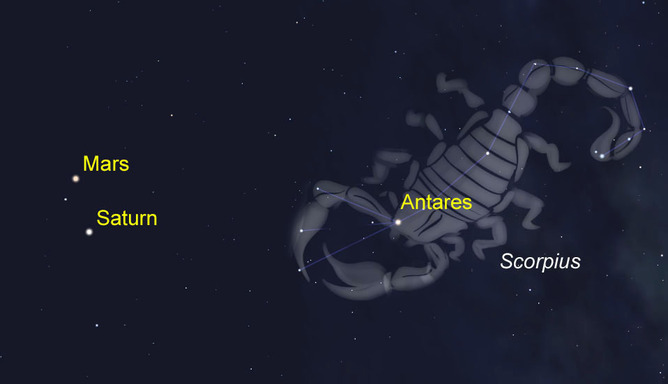
Across Australia, catch Mars and Saturn around 8 pm local time.Source: Museum Victoria/Stellarium

By Tanya Hill, Museum Victoria

By Mark Lawler, Queen's University Belfast

Personalized medicine is the ability to tailor therapy to an individual patient so that, as it’s often put, the right treatment is given to the right patient at the right time. But just how personal is it?

While the phrase might conjure up images of each patient getting their own individual therapeutic cocktail – this isn’t actually the case. Designing an individually tailored package would be too labour intensive and (at least currently) too expensive. Instead, the answer lies in understanding the genetics of patients and disease.

It’s possible to assess dietary compliance from a blood sample - that is useful in controlled dietary intervention studies investigating the health benefits of specific diets, since such studies have mainly relied on the participants’ self-reported dietary intake, which is often biased, making it more difficult to assess the real health benefits.

Due to increased regulations, a culture war against pharmaceutical corporations, and the high costs of trials, companies have increasingly allowed early taxpayer-funded biomedical research to spread the risk among hundreds of millions of people. The pace of invention has slowed considerably and it may be because of academic culture, according to a new study.

An analysis of patented university inventions has revealed early bottlenecks on the path to commercialization and the authors suggest that better communication of basic research results during the discovery stage could lead to faster commercialization down the road.

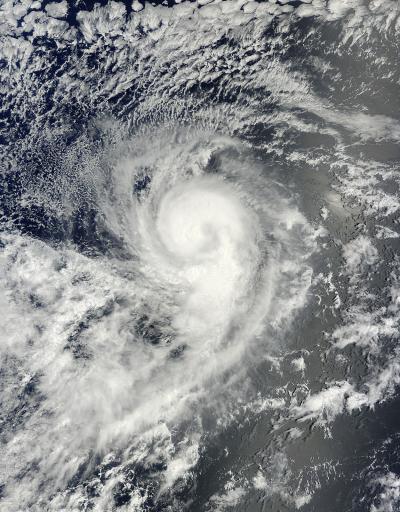
Tropical Storm Karina was weakening on August 20 when NASA's Terra satellite passed overhead. The Moderate Resolution Imaging Spectroradiometer or MODIS instrument aboard Terra snapped a visible image of Tropical Storm Karina on August 20 at 19:40 UTC (3:40 p.m. EDT). The MODIS image showed that a thick band of strong thunderstorms spiraled into Karina's center from the southeast. The band of thunderstorms wrapped around Karina's eastern and northern quadrants, spiraling into the center from the west, making the tropical cyclone look like the number nine.

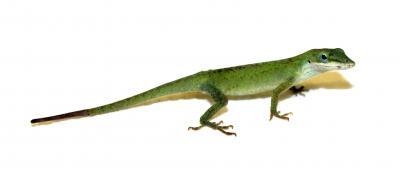
A team of researchers  is a step closer to solving the mystery of how lizards regenerate their tails. They have found the genetic "recipe", which involves genetic ingredients in just the right mixture and amounts.

The scientists used molecular and computer analysis tools to examine the genes turned on in tail regeneration. The team studied the regenerating tail of the green anole lizard (Anolis carolinensis), which when caught by a predator, can lose its tail and then grow it back.


