Scientists have sequenced over seventy strains of yeast, the greatest number of genomes for any species. The basic machinery of yeast is surprisingly similar to that of humans, and the project is already helping experts to develop the tools necessary for studying human genetic variation. Yeast can also be used to develop and test new drugs, such as for cancer.
It also gave us a clever way to finagle the title and remind you about
Darwin Day tomorrow - the 200th anniversary of his birth. And, if you are an American Republican, it's also the 200th birthday of the first Republican President, Abraham Lincoln. But we're a science site so we'll focus on the yeast.
Roughly 10 million years ago, a major genetic change occurred in a common ancestor of gorillas, chimpanzees, and humans. Segments of DNA in its genome began to form duplicate copies at a greater rate than in the past, creating an instability that persists in the genome of modern humans and contributes to diseases like autism and schizophrenia. But that
gene duplication also may be responsible for a genetic flexibility that has resulted in some uniquely human characteristics.
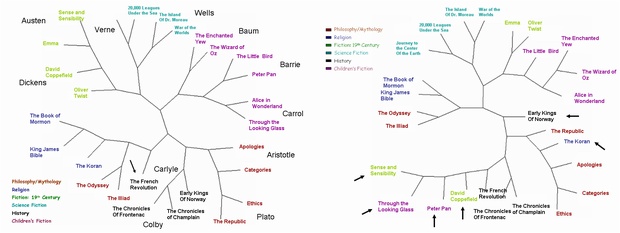
What does uncovering the true authorship of plays attributed to Shakespeare have to do with identifying our genetic ancestors or classifying new life forms? All involve the comparative analysis of long sets of data and all will benefit from a unique new analytical tool developed by researchers at the Lawrence Berkeley National Laboratory.
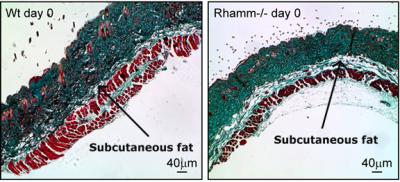
Hollywood stars of a certain age take note: Research at Berkeley Lab suggests that a protein linked to the spread of several major human cancers may also hold great potential for the elimination of wrinkles and the rejuvenation of the skin. If this promise bears fruit, the protein, called RHAMM, could one day replace injections with neurotoxins that carry such unpleasant side-effects as muscle paralysis and loss of facial expressions.
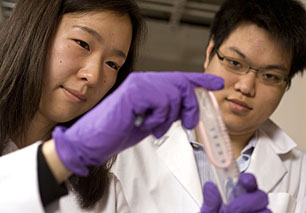
A net with large holes won't catch small fish. Likewise, the microscopic fibers in the protective mucus coatings of the eyes, lungs, stomach or reproductive system naturally bundle together and allow the tiniest disease-causing bugs, allergens or pollutants to slip by. But Johns Hopkins researchers have discovered a way to chemically shrink the holes in the mucus layer's netting so that it will keep out more of the unwanted particles.
With pressures hundreds of times that at sea level and temperatures nearly freezing, it's amazing that anything can survive in the deep ocean. The vast amount of space and correspondingly sparse distribution of living organisms simply adds to the seeming impossibility that anything could survive in such an environment. However, many spots in the deep ocean contain life highly adapted to the specific harsh environment, and manage to find food and reproduce despite the odds against it.
The run up to Valentine's Day is peak period for the lonely hearts business, says an advocacy group for the lonely hearts business. Many singles decide not to leave it to chance at this time of year, they say, and join dating agencies rather than leave their love-lives to fate. The dating industries watchdog Association of British Introduction Agencies say the dating industry is thriving even amongst the doom and gloom of the economic crisis.
January 2009 registrations among member agencies were up 20% over the same period last year. That means you'd better hurry and do it too, before all the people are taken!
Another reason not to eat pate de foie gras is discussed by Michael Greger of The Humane Society of the United States, Washington DC in a forthcoming issue of the International Journal of Food Safety, Nutrition and Public Health.
Harmful proteins fragments known as amyloid fibrils associated with damage to brain cells in Alzheimer's disease and to pancreatic cells in Type II diabetes can be present in the meat of poultry and mammals. These amyloids are not destroyed even with high-temperature cooking process.
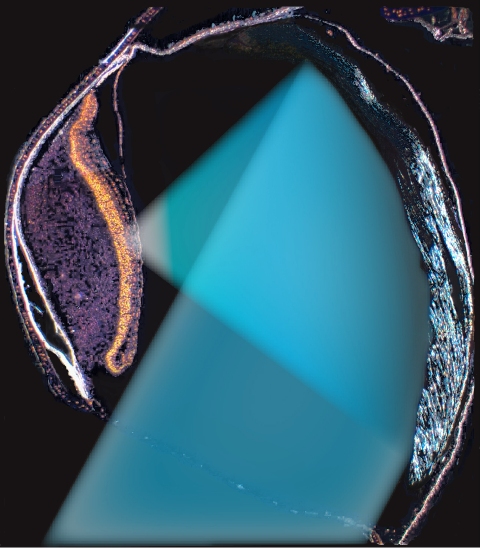
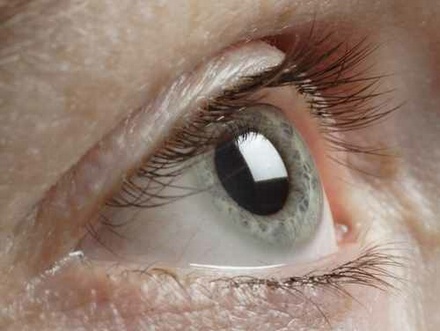
There's another reason to dust off those running shoes. Vigorous exercise may help prevent vision loss, according to a pair of studies from the U.S. Department of Energy's Lawrence Berkeley National Laboratory. The studies tracked approximately 31,000 runners for more than seven years, and found that running reduced the risk of both cataracts and age-related macular degeneration.
The research, which is among the first to suggest that vigorous exercise may help prevent vision loss, offers hope for people seeking to fend off the onset of eye disease.
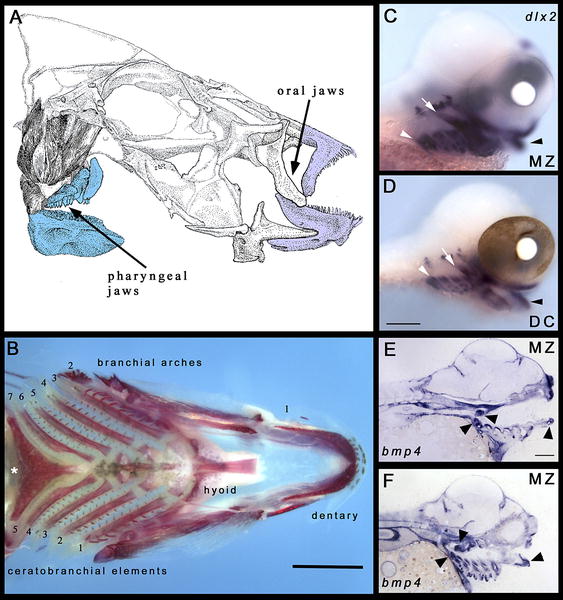
A common gene regulatory circuit controls the development of all dentitions, from the first teeth in the throats of jawless fishes that lived half a billion years ago to the incisors and molars of modern vertebrates (that includes you and me), say researchers from Georgia Institute of Technology and the University of Georgia.