



People who don't want to disappoint you and that are prone to guilt if things go wrong are the least likely to want to commit to a project - but they may be who you want on your team, because if they do commit, that propensity for feeling guilty if they let down the team makes them among the most ethical and hard-working partners, according to management academics.

In a proper mix, highly guilt-prone people (i.e., people with a strong dispositional tendency to feel guilty for wrongdoings) make valuable work partners because a concern about letting others down drives them to complete at least their fair share of the work. 

Pets play an important role in our social lives and they can act as catalysts for social interaction, previous research has shown, because pets often serve as "social lubricants."

Although much media attention has focused on how dogs can improve the social skills of children with autism, a University of Missouri researcher recently found that children with autism have stronger social skills when any kind of pet lived in the home.


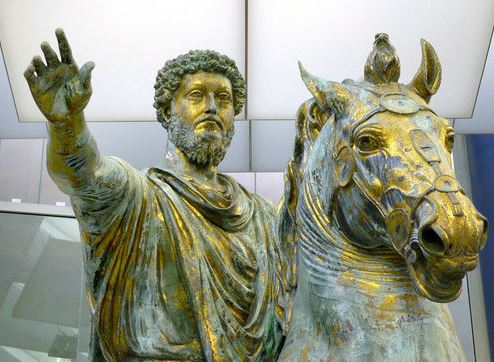
Marcus Aurelius.

By Robert S. Colter, University of Wyoming

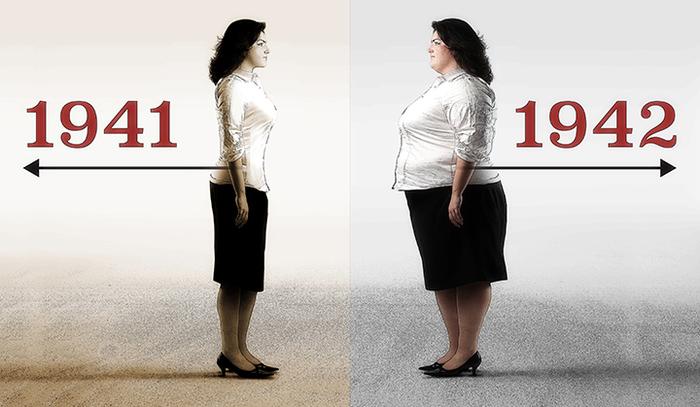
Some people have the appearance of a young shape even as they age. Good genes and clean living, it is said. But the nature and nurture argument has a new companion - historical context - at least in sociology.

A new study claims evidence that the role of genetics in complex traits, including obesity, varies over time. Both the era in which scientific research is conducted and the era in which subjects were born may have an impact on the degree to which genetic factors are present in scientific data. 

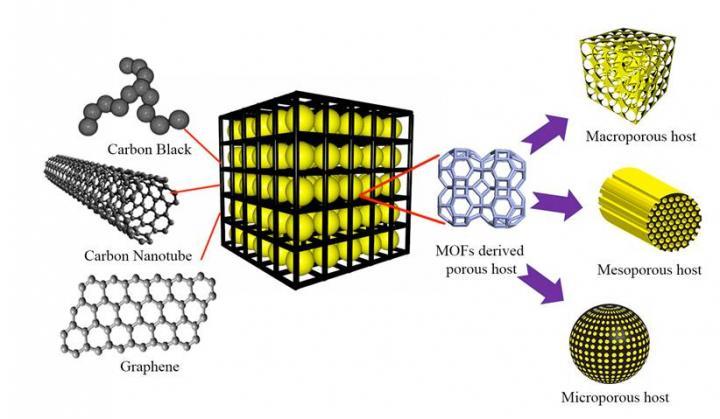
A thin sheet of graphene wrapped around a new multifunctional sulfur electrode that combines an energy storage unit and electron/ion transfer networks could lead to a promising design for rechargeable lithium-sulfur batteries.

Lithium-sulfur batteries are of great commercial interest because they boast theoretical specific energy densities considerably greater than those of their already-well-established cousin, lithium ion batteries. And we clearly need battery improvements, there hasn't been anything substantial for 25 years.

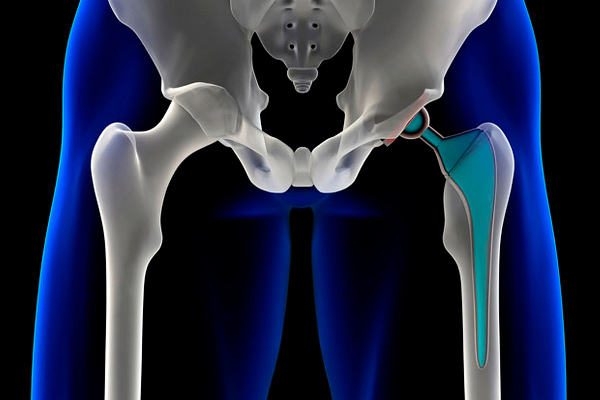
A new research effort is focused on nanostructured materials with biocompatible and antibacterial properties. Ana Maria Arizmendi Morquecho, scholar at the Research Center for Advanced Materials (Cimav) in Mexico, says that the challenge is to find appropriate measures to improve the compatibility of a metal structure with the chemical composition of bone tissue and human bone’s nanostructures.

Materials have to be resistant to wear, they need improved mechanical properties and they need to be compatible with the human body while abiding with public health requirements. Knees are a good place to make advances since knee problems are common and real-world data has been available for decades.
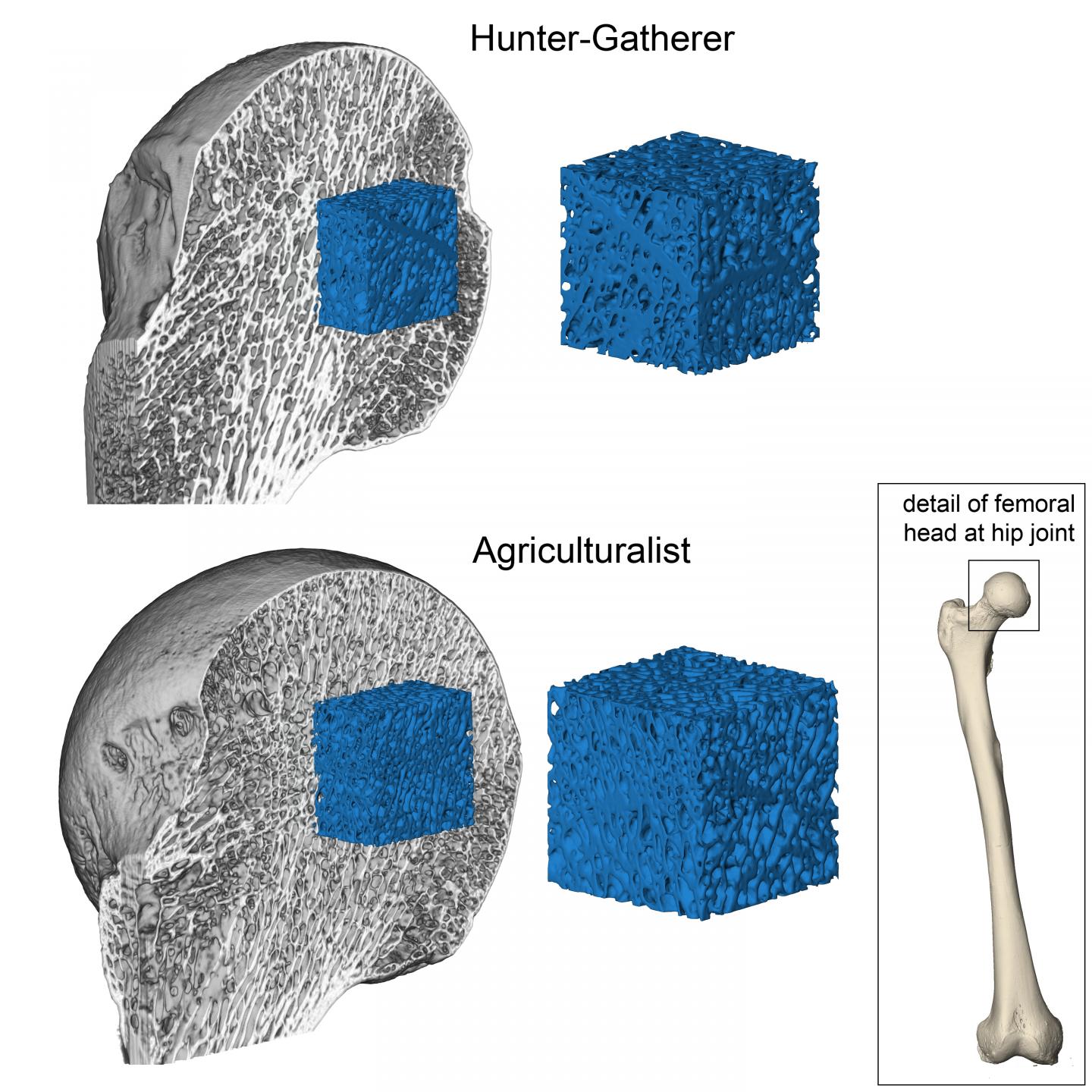
It would be madness today to think of farmers as wimpy - watching a 160 lb. kid throw a giant hay bale around does not make people think of weakness - but skeletally the invention of agriculture made us weak compared to foraging ancestors.

As we shifted from foraging to farming, we had more food and that led to more culture and education and progress - but it also brought more sedentary lifestyles and so our skeletons have become much lighter and more fragile since the invention of agriculture.

Multiple sclerosis is a degenerative disease and most patients with RRMS who received disease-modifying therapies experience breakthrough disease. Autologous (using a patient's own cells) hematopoietic cell transplant (HCT) has been studied in multiple sclerosis with the goal of removing disease-causing immune cells and resetting the immune system.

The gene TRK was shown to cause a small percentage of colon cancers in 1982 and then in 2013 and 2014, sequencing of tumor samples found fusions of the TRK family of genes in at least 11 tumor types, including lung, breast and melanoma . 

The TRK family of genes, including NTRK1, NTRK2 and NTRK3 are important in the developing nervous system. In the womb, these genes and the proteins they encode are essential for the growth and survival of new neurons. After birth, these genes are unneeded in many tissues and so are programmed to go dormant.

Some cancers wake them up - when improperly fused with other nearby genes, genes in the TRK family can restart their ability to signal cells to grow and become immortal, which in adult tissues can cause cancer.

About 10 percent of Asia can claim to be descended from Genghis Khan and they are absolutely correct, genetic studies show; the reason is that part of the benefit to rampaging across Asia, the mid-East and into Europe was a lot of sex.

But it isn't just conquering Mongols, even on a small scale violent conflict offers biological rewards to those those who take part in it, say anthropologists who correlated violent raids and combat to reproductive fitness.

