






A national survey suggests that slightly more than half of the older adults in the United States are now taking a daily dose of aspirin, even though its use is not recommended by the Food and Drug Administration for most people who have not yet had a heart attack or stroke.

The analysis observed that aspirin use is continuing to surge, especially among adults who are using it for "primary prevention," meaning in order to prevent an initial cardiovascular event, and in some cases to prevent cancer.

A new study has found that wind instrument players have a reduced risk of developing obstructive sleep apnea.

The findings presented at the Sleep and Breathing Conference 2015 suggest that this could be considered beneficial to those individuals who are at high risk of developing sleep apnea. Researchers in India conducted lung function testing in 64 people who played a wind instrument and compared results to a control group of 65 people who did not play any wind instruments. All participants also completed the Berlin questionnaire, an established method used to assess the risk of sleep apnea. 

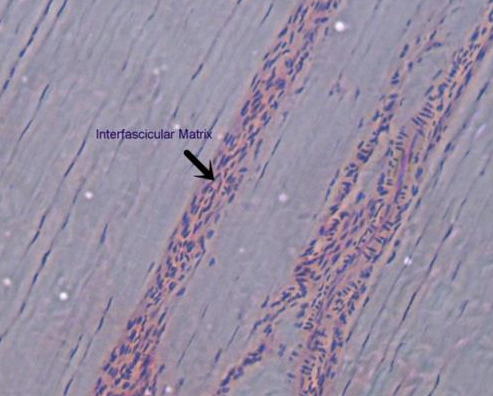
New research into how tendons age has found that the material between tendon fiber bundles stiffens as it gets older, which leads to older athletes being more susceptible to tendon injuries.
In America, the saying used to be 'my doctor should decide my medical treatment, not an insurance company'. 

In Netherlands, Dutch doctors do decide, including whether to withhold or withdraw treatment in a substantial proportion of elderly patients. End of life decisions are not made by patients or their families.

Why? It is not ageism, according to a survey in the Journal of Medical Ethics. It may be financial, since long-term care is paid for by the government, but survey respondents say they deny treatment out of respect for patients. Most commonly that means denying simple food and fluids.

Researchers have found genetic overlap between Alzheimer's disease (AD) and two significant cardiovascular disease risk factors: high levels of inflammatory C-reactive protein (CRP) and plasma lipids or fats. The findings, based upon genome-wide association studies involving hundreds of thousands of individuals, suggest the two cardiovascular phenotypes play a role in AD risk - and perhaps offer a new avenue for potentially delaying disease progression. 

Researchers have identified an important cause of why secondary corneal transplants are rejected at triple the rate of first-time corneal transplants.

The cornea - the most frequently transplanted solid tissue - has a first-time transplantation success rate of about 90 percent. But second corneal transplants undergo a rejection rate three times that of first transplants.

More than 40,000 transplants are performed annually to replace the cornea, the clear outer lens at the front of the eye, with tissue from a donor. Most corneal transplants are done to correct severe visual impairments caused by keratoconus, a condition in which the normally dome-shaped cornea progressively thins and becomes cone-shaped, according to the American Academy of Ophthalmology.

Obesity was associated with an increased risk for prostate cancer in African-American men and that risk grew by nearly four times as body-mass index (BMI) increased, according to a new study. 

African-American men have the highest incidence of prostate cancer of any racial or ethnic group in the United States, as well as the highest rates of aggressive disease and prostate cancer death. 

In the private sector, pitching a research idea is a relatively straight-forward proposition. Drug companies, for example, know that only 1 out of 5,000 research programs is going to make it to market. Have a good idea and it will get approved.

In government-funded academia, it is a little trickier. Good ideas don't always win. Even getting started can be daunting for a young researcher who was steeped in science and not bureaucracy and paperwork. A recent Accounting and Finance article offers a simple new research tool that can act as a template designed for pitching research ideas.

Charles Darwin, for all his brilliance, was perhaps paralyzed by insecurity. There are not many other explanations for why he delayed publishing his seminal work, "On the Origin of Species by Means of Natural Selection, or the Preservation of Favoured Races in the Struggle for Life", until 1859.

Heroin addicts who do not give it up should be able to access the drug through the Canadian taxpayer-funded health system, according to a recent paper in BMJ. Standard treatments for heroin drug addiction include detoxification, abstinence programs and methadone maintenance.

Obviously some people never give it up and the paper argues that is a medical failure, that if doctors cannot provide effective treatments for these patients they will remain "outside the healthcare system" and there is "overwhelming" evidence that they will relapse into using heroin and suffer immeasurably while costing society a fortune, according to Professor Martin T. Schechter of the School of Population and Public Health at University of British Columbia.

