





After decades in ornithological obscurity, one of the world's least-known birds is finally coming to light thanks to the persistence of a small group of researchers; a year-long study of the Black Tinamou (Tinamus osgoodi hershkovitzi) has captured some of the first video and sound recordings of this elusive species.

The Black Tinamou is a chicken-sized bird found in the foothills of the eastern Andes, where it lives in tall, dense primary forest. It is extremely difficult to observe due to its secretive habitats and cryptic coloration.

For their study, the researchers focused on the southern Colombia subspecies, doing daily censuses in Alto Fragua Indi Wasi National Park, recording vocalizations, and setting up camera traps to capture images and video.

Our sun is constantly changing. It goes through cycles of activity - swinging between times of relative calm and times when frequent explosions on its surface can fling light, particles and energy out into space. This activity cycle peaks approximately every 11 years. New research shows evidence of a shorter time cycle as well, with activity waxing and waning over the course of about 330 days.

Space science missions are a lot like smartphones. News apps and operating systems may not be compatible with older hardware and vice-versa.

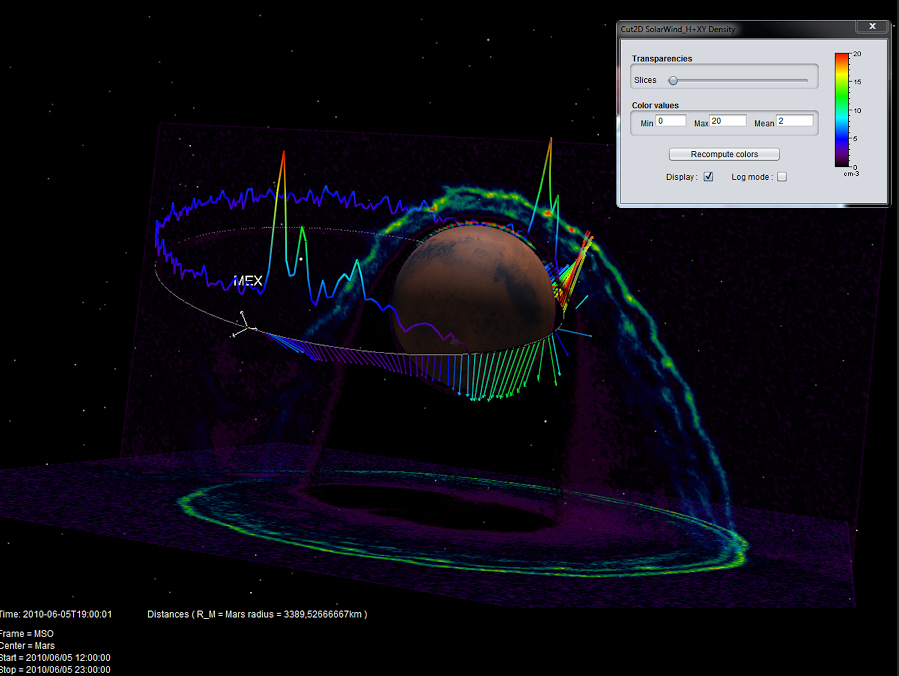
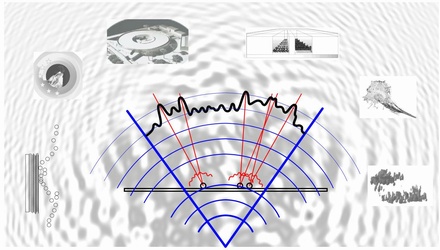
Different data processing protocols of individual space missions has limited comparison of data from numerous space missions. Due to the complexity of space exploration, instruments and devices are usually purpose-made and data acquisition as well as number crunching tools are built using mission specific data structures and protocols. The downside: the exchange and comparison of observational data between missions and complex computational models developed by third parties are virtually impossible.

Cancer researchers have identified a key signaling pathway in B-cell lymphoma, a malignant type of blood cancer. They demonstrate that the signaling pathway can be blocked using compounds that are already in clinical development.

For being a fellow of above average height (<6'2" now - age will do that) traveling to Holland can be a strange experience. It seems like everyone is around my height. The men are tall, the women are tall. 

Netherlands has the tallest people in the world. Yet they used to be the shortest.  While everyone got taller during that time, Dutch average height went up 8 inches in two centuries.

Take this quick medical pop quiz: which of the following conditions would you prefer to have during your next stay in hospital? A. Staphylococcus aureus (golden staph) bloodstream infection; or B. a heart attack?

I am guessing most non-medical readers voted for the Staph option and, if my experience is anything to go by, the majority of medical readers will have also made a microbial choice.

The shorter you are, the more your risk of coronary heart disease, according to a new study. Every 2.5 inches change in height affected your risk of coronary heart disease by 13.5 percent - so a 5 foot 6 inch tall person has a 32% lower risk of coronary heart disease  than a 5 foot tall person because of the latter's shorter stature.

Coronary heart disease is the commonest cause of premature death worldwide. It is the condition where the arteries that supply blood to the heart muscle (coronary arteries) become narrowed due to a deposition of fatty material (plaque) in the walls of the arteries. If a blood clot forms over the plaque then the artery can become completely blocked suddenly giving rise to a heart attack.

Scientists have identified a small RNA molecule named miR-182 that can suppress cancer-causing genes in mice with glioblastoma mulitforme (GBM), a deadly and incurable type of brain tumor. 
There are 16,000 new cases of the deadly brain tumor reported in the U.S. every year. Patients have a very poor prognosis, with median survival of just 14 to 16 months.

Standard chemotherapy drugs stop cancer cells from reproducing by damaging DNA but the new method instead stops the source that creates those cancer cells: genes that are overexpressing certain proteins.

Carbon capture could play a central role in keeping greenhouse gas emissions out of the atmosphere so many materials are being tested for the purpose of capturing CO2
New results show that ordinary clay can work just as effectively as more advanced materials. Clay offers many benefits compared to other materials, particularly because other potential materials can be expensive, difficult to produce, toxic and not particularly environmentally friendly. A possible practical future use of this discovery could be to include clays in CO2 filters for industrial-scale CO2 emissions reduction.

Thermochromic nano-coatings can help reduce energy usage and generate savings by absorbing heat or permitting its reflection, depending on temperature.
 
The reasn is because minute dimensions can still have major effects - nanoparticles have an especially large surface-area-to-volume ratio, making them them extremely efficient and reactive. Researchers of the Fraunhofer Institute for Chemical Technology ICT in Pfinztal near Karlsruhe are utilizing this characteristic to create novel coatings and incorporating active nano-materials into polymer systems. These coatings can be applied easily like paint or varnish.


