

A psychedelic drug, (R)-DOI, prevents the development of allergic asthma in a mouse model. The effects are potent and effective at a concentration 50-100 times less than would influence behavior.

In Manot, a karstic cave in the North of Israel close to the Lebanese border, excavations that began in 2010 have documented the peopling of the cave for over 100,000 years.

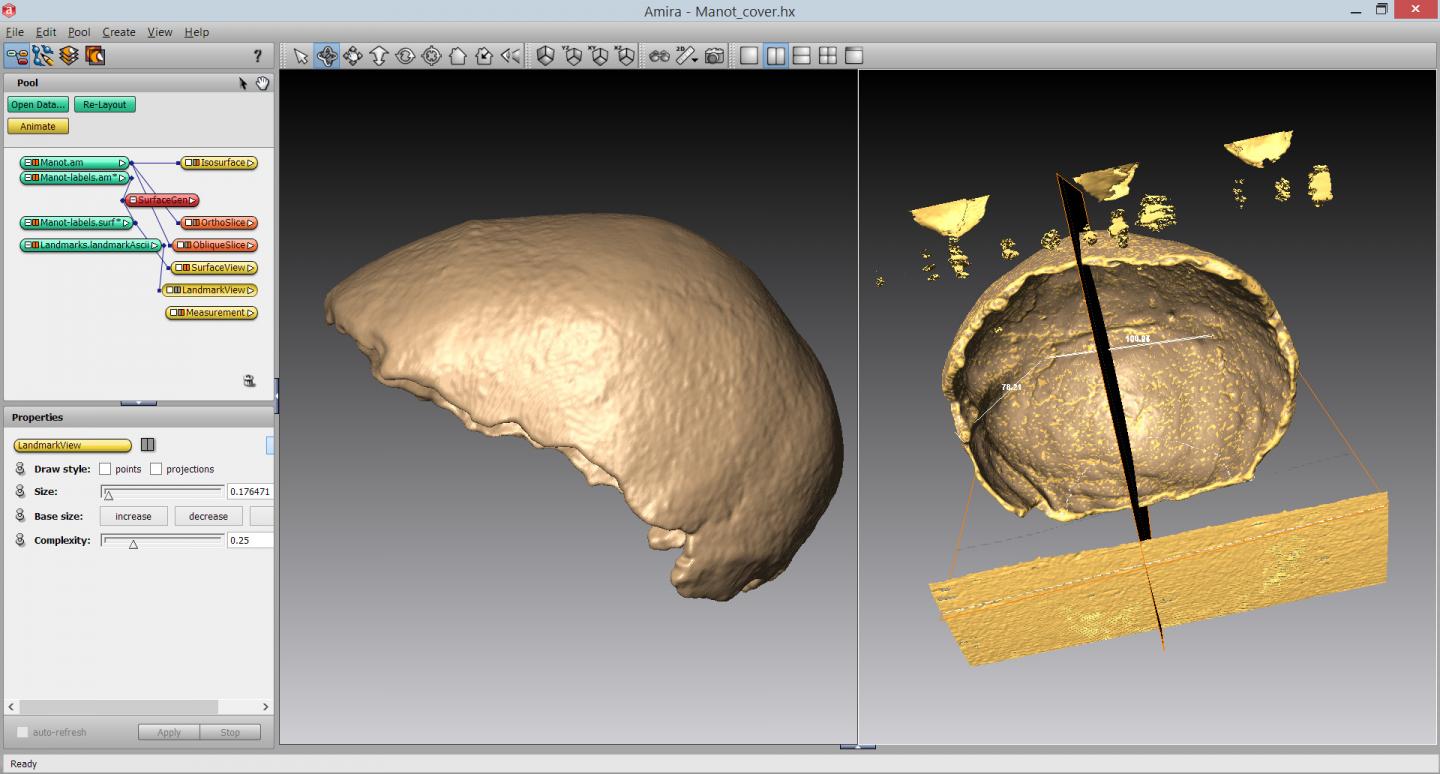
Around 30,000 years ago, the roof of the cave collapsed and sealed the archaeological layers until the 21st century. Beside stone tools and animal bones, some few human remains were preserved. The most spectacular finding was made on an elevated shelf within a small chamber of the cave: a very well preserved "calotte", the upper part of a braincase.

The facial bones which contain a lot of diagnostic traits were missing.

Amid the growing debate about the high price of powerful new drugs in the United States, a recent analysis suggests that breakthrough therapies for blood cancers may, in many cases and with some important caveats, provide reasonable value for money spent. Researchers present this viewpoint, based upon a comprehensive analysis of published cost-effectiveness ratios, online today in Blood, the Journal of the American Society of Hematology (ASH). The manuscript is being published as a Blood Forum article, a feature of the journal designed to present well-documented opinions on controversial topics and provide a sounding board for issues of importance to the science and practice of hematology.

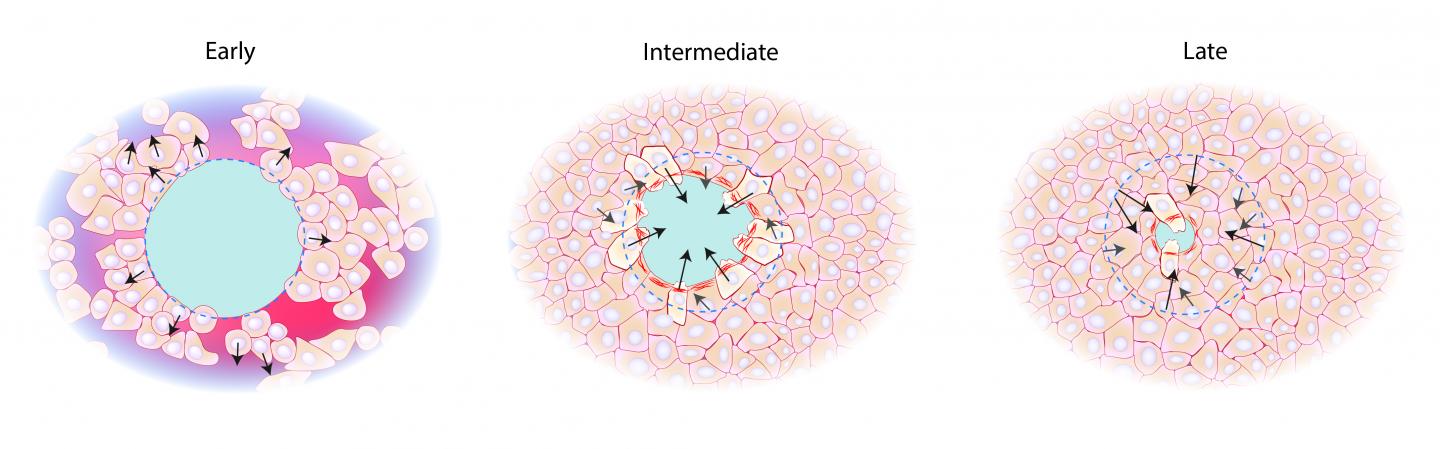
A collaborative study led by scientists from the Mechanobiology Institute (MBI) at the National University of Singapore (NUS) has revealed the mechanical forces that drive epithelial wound healing in the absence of cell supporting environment. This research was published in Nature Communications in January 2015.

Skin not only provides an essential protective barrier against foreign materials and pathogens, but it also helps the body retain various fluids and electrolytes. When this barrier is damaged, the consequences can be devastating. Ulcers, bleeding and bacterial infections may result and the chances of these occurring increases the longer wounds remain open.

A barrier to increased human papillomavirus (HPV) vaccination has been the concern that it may promote unsafe sexual activity, but a new study of adolescent girls finds that HPV vaccination was not associated with increases in sexually transmitted infections (STIs).

Both weight gain and weight loss in older (postmenopausal) women are associated with increased incidence of fracture, but at different anatomical sites, finds a study published in The BMJ this week.

The findings also challenge the traditional view that weight gain protects against fractures.

The influence of body weight on the risk of fracture is complex. Low body weight is a well recognised risk factor for fracture, but obesity also increases the risk of fracture at some sites. How fracture patterns differ after intentional and unintentional weight loss in postmenopausal women is also unknown.

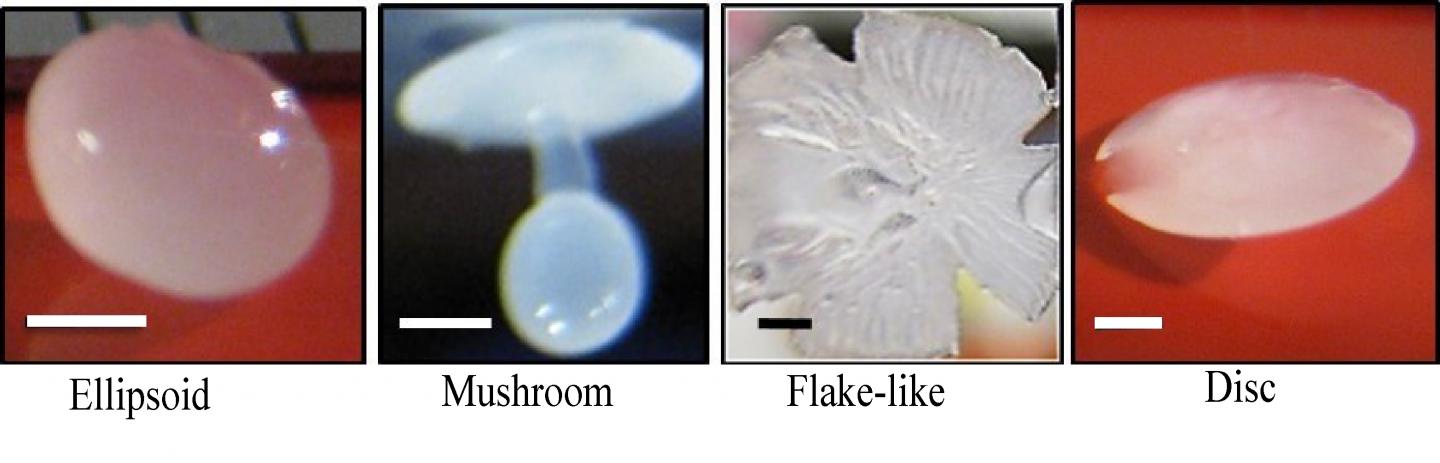
A new research project looked at how to create various non-spherical particles. 

Non-spherical particles have a great deal of potential uses in industry because associated with their different shapes are properties such as large surface areas, high packing densities and unique responses to external electric and magnetic fields. Such properties can lend themselves to applications ranging from food processing, consumer goods such as cosmetics, absorbents, and drug delivery systems.

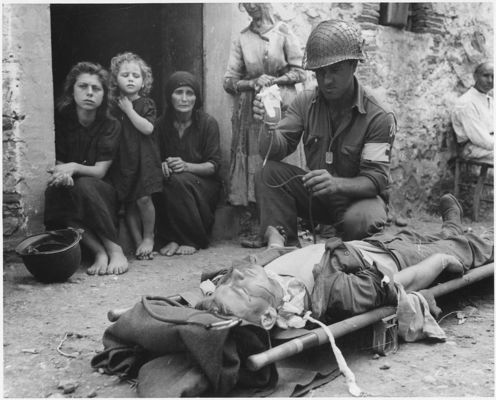
Sicily 1943: whose blood was this US soldier getting? NARA

In December 1941, a few days after the bombing of Pearl Harbor and America’s entry into World War II, a Detroit mother named Sylvia Tucker visited her local Red Cross donor center to give blood.

Having heard the “soul-stirring” appeals for blood donors on her radio, she was determined to do her part. But when she arrived at the center, the supervisor turned her away. “Orders from the National Offices,” he explained, “barred Negro blood donors at this time.”

We've had 50 years of very-expensive, government-mandated penalties against cigarette companies that have funded programs to reduce cigarette smoking - anything that does so should be welcomed. 

Yet that hasn't been the case for e-cigarettes. While patches have been adored with only modest success in lowering smoking rates - willpower remains the determining factor in smoking cessation - e-cigarettes are being assaulted in a culture war almost as powerful as smoking itself.

At a meeting in San Jose of an organization named AAAS, experts from Germany, New Zealand, South Africa, the UK and USA debated whether electronic cigarettes are just another addiction or a public health opportunity?.

Children obtain better and more age-appropriate sleep in the presence of household rules and regular sleep-wake routines, according to sleep researchers.

The researchers found that well-established rules for getting good sleep, such as limited caffeine and a regular bedtime, led to sufficient sleep quantity and adequate sleep quality. In contrast, when parents and children had electronic devices on in the bedroom after bedtime, sleep deficiency was more likely.

Reducing the encroachment of technology and media into sleep time and supporting well-known sleep hygiene principles should be a focus of public health intervention goals for sleep health, the researchers said.

