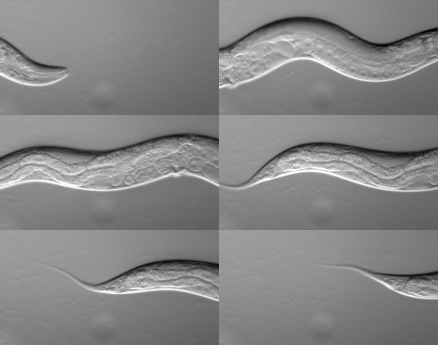
Spaceflight is tough on humans, due to weightlessness and radiation exposure. But if it bothers the nematode worm, Caenorhabditis elegans, they aren't talking.
Researchers writing in Nature Scientific Reports say they were interested in seeing how C. elegans reacts to living in space because it was the first multicellular life form to have its full genetic structure mapped. They found the astronaut worms showed less toxic proteins in their muscles than if they had stayed on Earth. Further investigation revealed that seven genes were less active in space; living on the Space Station led to certain genes not functioning normally.
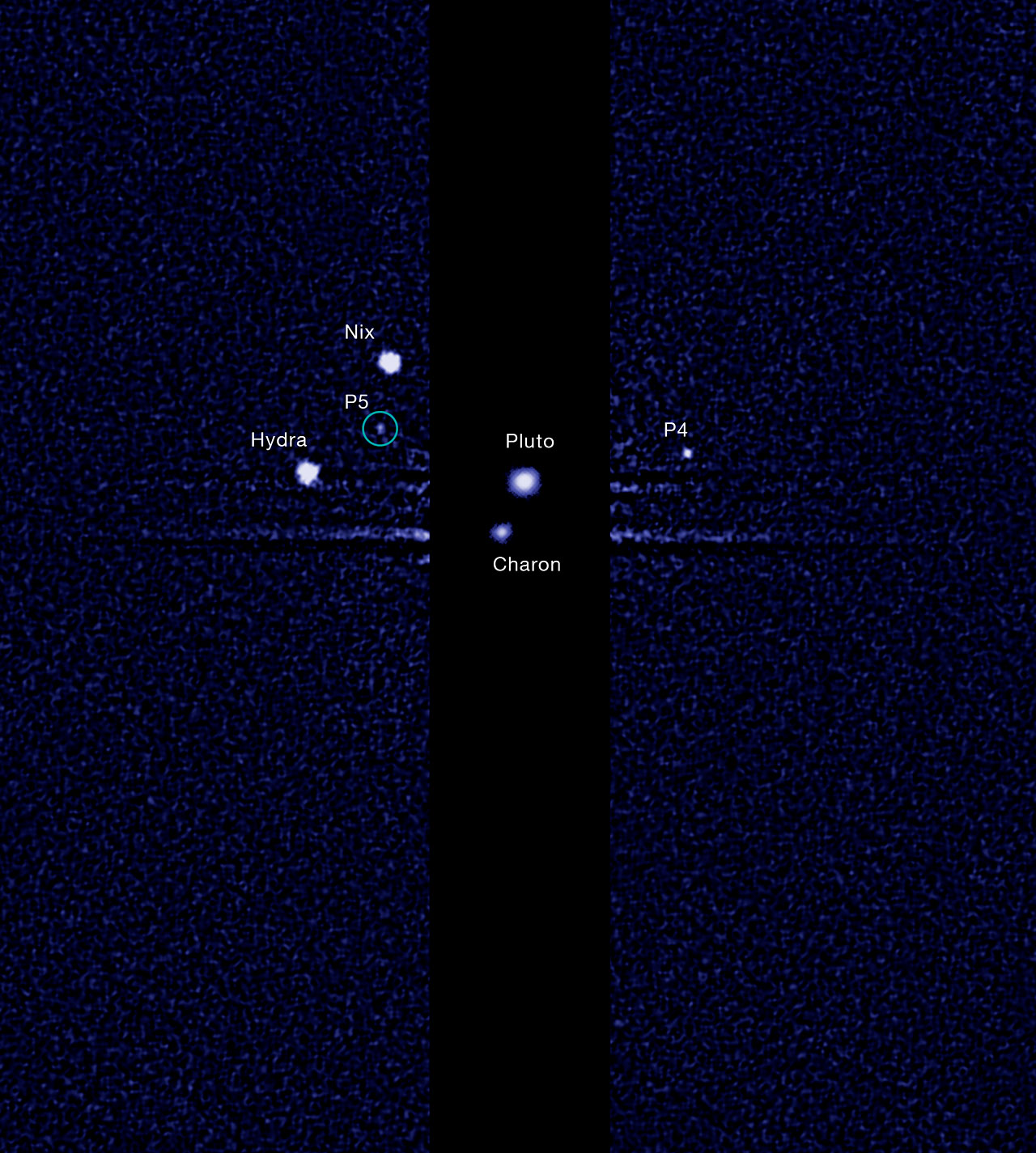
For not being a planet, according to 2 percent of astronomers, Pluto sure has a lot of moons.
Now it has one more, joining Charon, which was discovered in 1978, Nix and Hydra, discovered in 2006, and P4, found in 2011.
Pluto’s new-found moon, provisionally designated S/2012 (134340) 1, or P5, is tiny and only visible as a speck of light in Hubble images, so it is estimated to be irregular in shape and between 10 and 25 kilometers across. It is in a 95,000 kilometer-diameter circular orbit and assumed to lie in the same plane as Pluto’s other known moons.
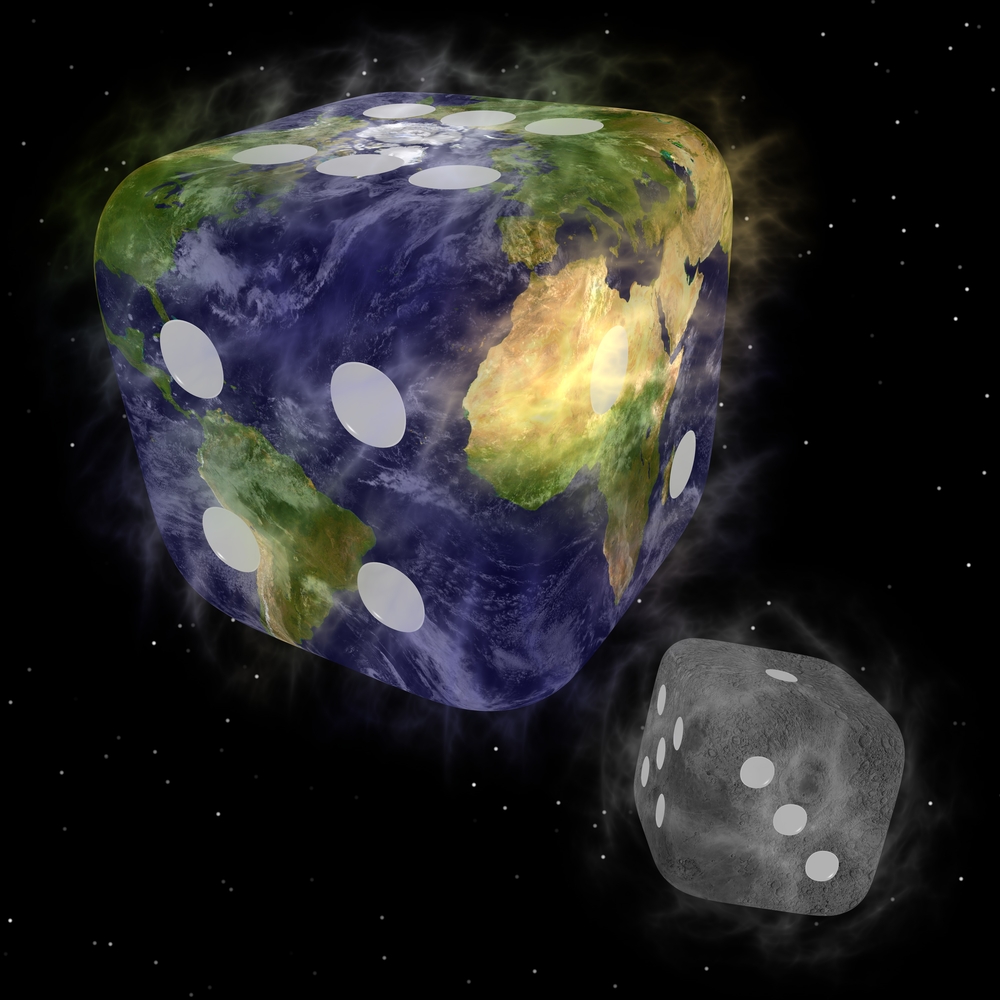
Want to get into a bar fight at a physics conference? Argue that quantum mechanics is the best way to predict outcomes. Or argue the opposite.
A new paper argues that quantum mechanics is close to optimal in terms of its predictive power but even if all the information is available, the outcomes of certain quantum mechanics experiments generally can't be predicted perfectly beforehand. Optimal but unpredictable? The best but often not good enough? Quantum mechanics is a confusing dichotomy, basically the LeBron James of the physics world.
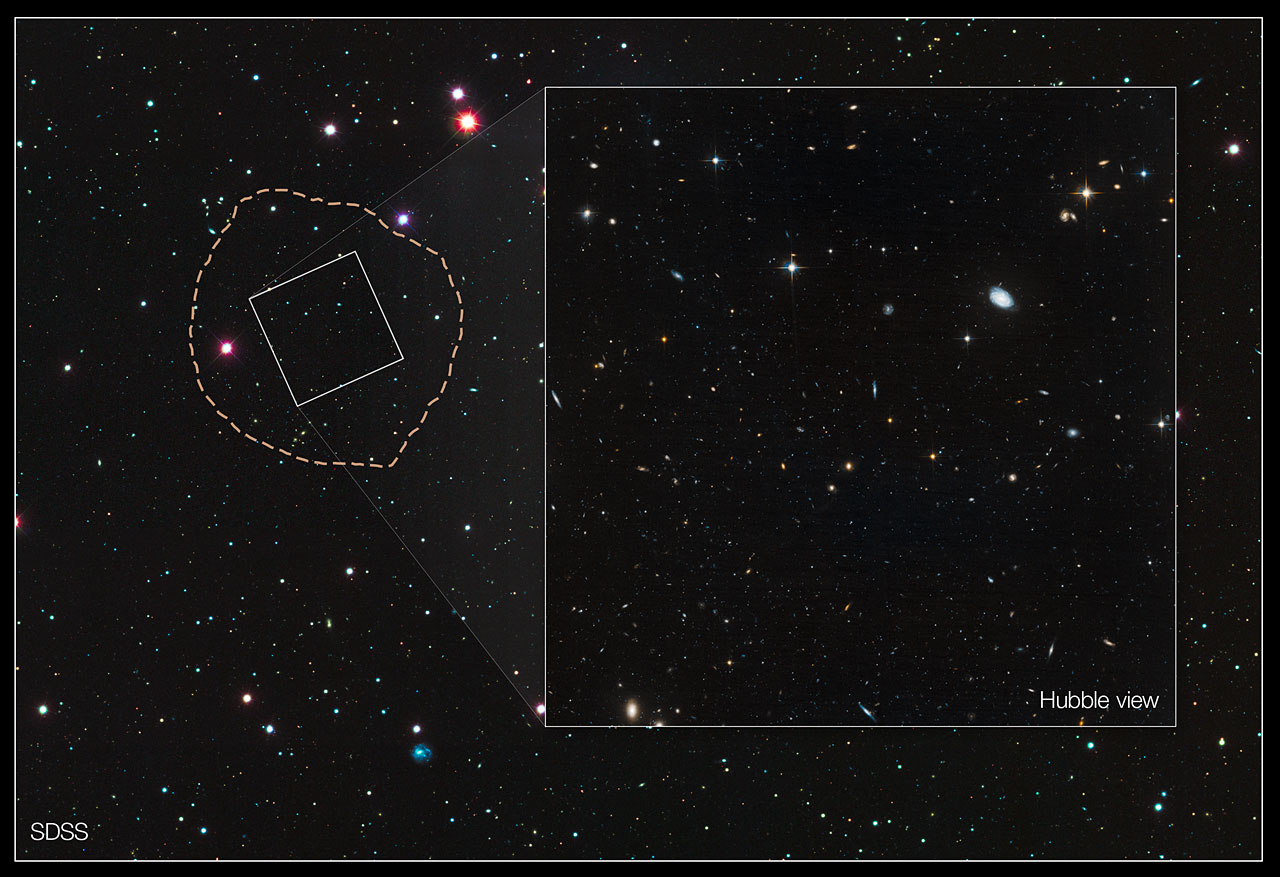
Dark galaxies, theorized but unobserved, may have been spotted.
Dark galaxies are essentially gas-rich galaxies in the early Universe that are very inefficient at forming stars and astronomers think they have detected these elusive objects by observing them glowing as they are illuminated by a quasar. They are predicted by theories of galaxy formation and are thought to be the building blocks of today’s bright, star-filled galaxies. They may have fed large galaxies with much of the gas that later formed into the stars that exist today.
The path of the LHC experiments to the successful observation of a Higgs boson has not been the smoothest I could think of, with delays in construction, incidents, and the like; but we are finally there. And now, with over 10/fb of data fully analyzed and presented at ICHEP, we can take stock and draw the "summer 2012" picture on existing and non-existing subnuclear entities, the non-existing ones notably including SUSY particles and other new physics candidates which are periodically evoked by theorists to mend the shortcomings of the standard model.
Telstar 1 enabled the first transatlantic TV broadcasts, was the proof that communications satellites were viable, and began start of an industry. It also provided the first US #1 Billboard song hit, from a song about Telstar 1 by a group called the Tornados. The song was simply called 'Telstar' and is also notable as an early piece of electronica.
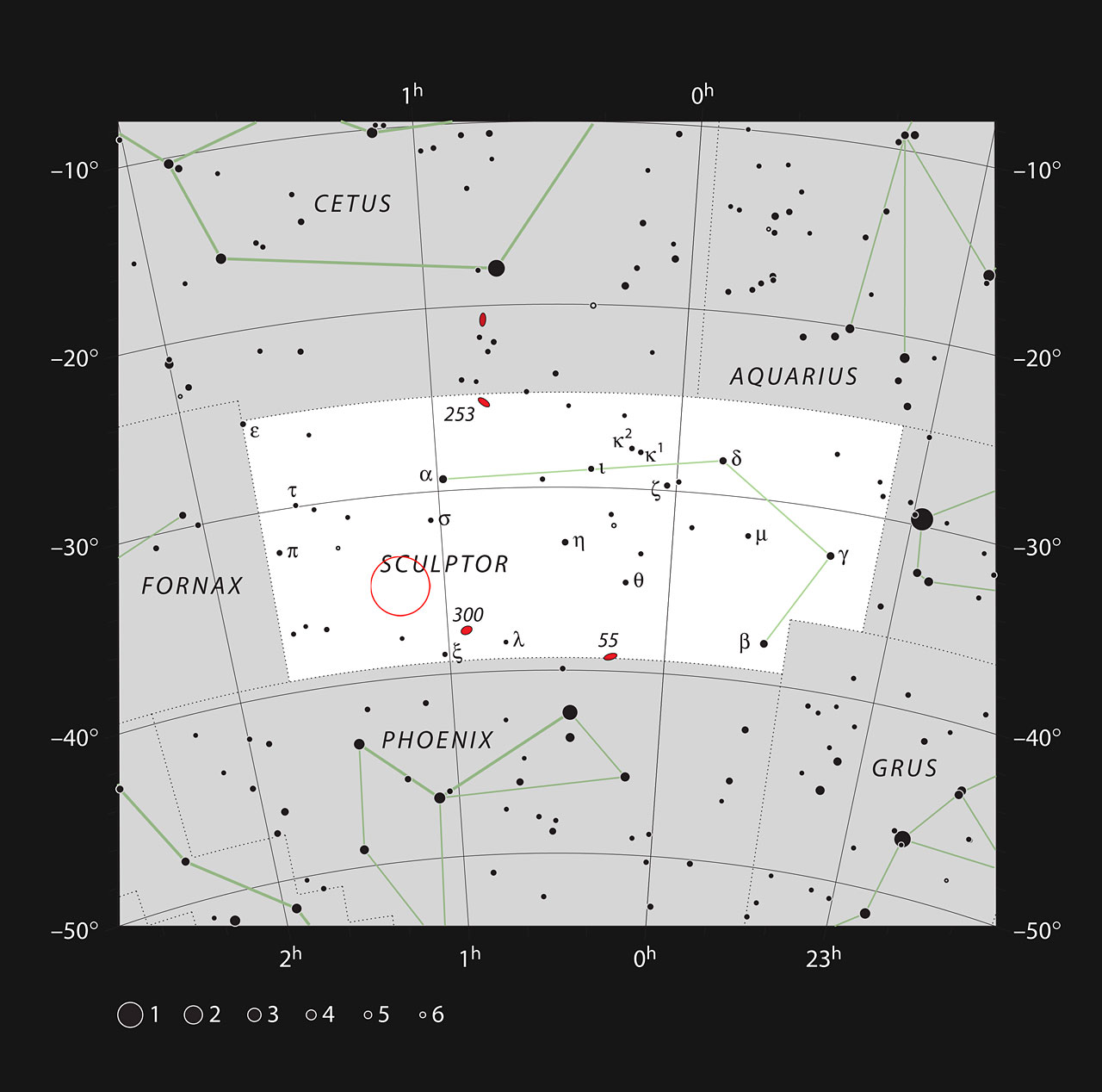
Why do some extremely faint galaxies in our backyard contain so few stars? An international team of astronomers has helped solve the mystery of why these galaxies are starved of stars - and why so few of them have been found.
Hercules, Leo IV and Ursa Major dwarf galaxies all started forming stars more than 13 billion years ago - and then abruptly stopped shortly after the Big Bang.The extreme age of their stars is similar to Messier 92, the oldest known globular cluster in the Milky Way.
Are we on the road to uploading our brains to computers and living forever?
Singularity proponents require a two-pronged approach to believing so; wildly overstating the technology curve of what future computers and programmers will accomplish and wildly understating the complexity of the human brain. If you believe strongly enough, the future looks bright for an eternal...future.
Over the last half century, it has been established that fish and migratory birds use the planet's magnetic field to help find their way, an interesting zoological mystery. Researchers have now identified cells with internal compass needles for the perception of the field, and that can explain why high-tension cables perturb their magnetic orientation.
Although many animal species can sense the geomagnetic field and exploit it for spatial orientation, efforts to pinpoint the cells that detect the field and convert the information into nerve impulses had not been successful.