Obesity guidelines recommend an initial weight loss goal of 5 to 10% of start weight to improve health. A recent study found that patients who received liraglutide 3.0 mg, combined with fewer calories and more physical activity, were more than twice as likely to achieve at least that level of weight loss, compared to patients on placebo who made similar lifestyle changes. Patients who achieved that weight loss showed improvements on a number of health markers, compared to those who lost less, and the patients on liraglutide showed greater improvement on measures of blood sugar control and blood pressure. The results will be presented Saturday, March 7, at ENDO 2015, the annual meeting of the Endocrine Society in San Diego.
Exposure to low doses of hormone-disrupting chemicals early in life can alter gene expression in the liver as well as liver function, increasing the susceptibility to obesity and other metabolic diseases in adulthood, a new study finds. Results of the animal study will be presented Friday at the Endocrine Society's 97th annual meeting in San Diego.
Brief exposure in infancy to several industrial chemicals that are common in the human environment, particularly bisphenol A (BPA), caused fatty liver disease in adulthood, the researchers found in rats.
A letrozole pill once a week restored fertility in obese, infertile men and led to their partners giving birth to two full-term, healthy babies, according to a new study from Canada. The results will be presented Thursday at the Endocrine Society's 97th annual meeting in San Diego.
"To our knowledge, this is the first report of successful pregnancies with the use of letrozole at this low dose in men," said the study's lead investigator, Lena Salgado, MD, an endocrinology fellow at the Centre Hospitalier de l'Université de Montréal (CHUM).
Letrozole is approved by the Food and Drug Administration for treatment of estrogen receptor positive breast cancer in postmenopausal women and is used "off-label" in infertile women to induce ovulation.
In climate accounting, what is counted and not counted is important.
Former wetlands that have been drained and which are currently used for forestry and agriculture give off 11.4 million tons of carbon dioxide equivalents, which is virtual CO2 for climate accounting, but emissions from drained peatland are not visible since they are included with forest growth.
A new report from the Swedish Board of Agriculture, 'Emissions of Greenhouse Gases from Peatland, says that drained peatlands could be restored into wetlands so to reduce greenhouse gas emissions - drained peatlands that are used for forestry production show that nutrient-rich, well-drained areas of land release more greenhouse gases than nutrient-poor, wetter grounds do.
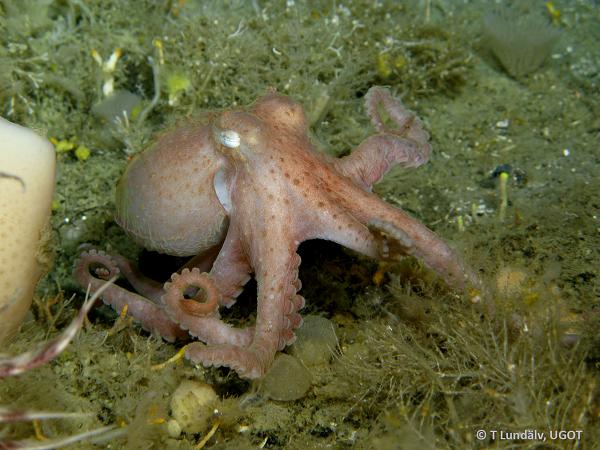
The Antarctic Ocean hosts rich and diverse fauna despite inhospitable temperatures close to freezing. While it can be hard to deliver oxygen to tissues in the cold due to lower oxygen diffusion and increased blood viscosity, ice-cold waters already contain large amounts of dissolved oxygen.
That is why an Antarctic octopus that lives in ice-cold water has evolved specialized blood pigments (e.g. hemoglobin), and why that blue-blooded
benefit could help to make it more resilient to climate change than Antarctic fish and other species of octopus. Octopods have three hearts and contractile veins that pump 'hemolymph', which is highly enriched with the blue oxygen transport protein hemocyanin (analogous to hemoglobin in vertebrates).
A survey on the experience of auditory hallucinations, commonly referred to as hearing voices, found that the majority of voice-hearers hear multiple voices with distinct character-like qualities, with many also experiencing physical effects on their bodies.
In other words,voices in people's heads may be more varied and complex than previously thought. Or they are so subjective as to defy science.
Auditory hallucinations are a common feature of many psychiatric disorders, such as psychosis, schizophrenia and bipolar disorder, but are sometimes experienced by people without a diagnosed psychiatric condition. It is estimated by social scientists that five percent of adults may experience auditory hallucinations during their lifetimes.
Ritalin, Adderall and their ilk are Schedule II controlled substances - the same as cocaine and methamphetamine - but they are widely available on college campuses, thanks to the ADHD diagnosis craze that made prescriptions easy to get and prevalent starting in the 1990s.
As a result, a lot of students are abusing the drugs. How many? 17 percent of all college students, according to a recent literature review.
It's that time of year - the NCAA tournament, called "March Madness", when office pools all across the United States have people researching teams and reading predictions to try and optimize their chances of winning money by predicting basketball games.
They are, sadly, doomed to fail.
Last year, Warren Buffett offered $1 billion for a perfect winning bracket, but the highest scoring bracket among ESPN.com subscribers was still 18 games off - and those people pay to know sports.
More and more animal shelters and zoos have begun playing human music, the kind of fad that people who anthropomorphize animal behavior say works even though there is no evidence.
Now a new study by animal behaviorists has gone beyond that and says while they don't think human music works, music created especially for animals does.
Finally, programming for cats is not just in movies.
Rosacea is estimated to affect up to 16 million people in the United States alone, with symptoms typically including redness, visible blood vessels, and pimple-like sores on the skin of the central face.
Because rosacea affects facial appearance, it can also have a psychological impact on those who suffer from it, according to surveys by the National Rosacea Society.