







By:  Karin Heineman, Inside Science

(Inside Science TV) – Dogs and cats can suffer from some of the same illnesses as humans such as allergies, cancer and even Alzheimer's disease. Currently pets are often given drugs designed for the human body that may not work the same way in the body of another species.

For example, dogs with allergies are often prescribed the popular allergy drug Allegra. But, the formula was not designed for use by a dog and may not work correctly.

Now, researchers at Kindred Biosciences in Burlingam, California are developing new drugs made just for pets.

Outside the developed world, global population continues to rise but all of the best agricultural locations are in use. If we want people to be self-sufficient (and we do) science is going to need to be able to help the developing world with innovative and sustainable solutions.

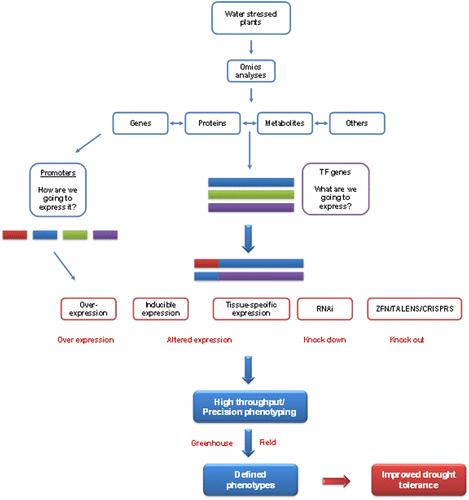
Modern agriculture has not reached any kind of limit, we can easily boost food production by as much as 70-100% in the next few decades. To grow in more difficult areas, and to be resistant to swings in weather, more drought-tolerant food crops are essential.  


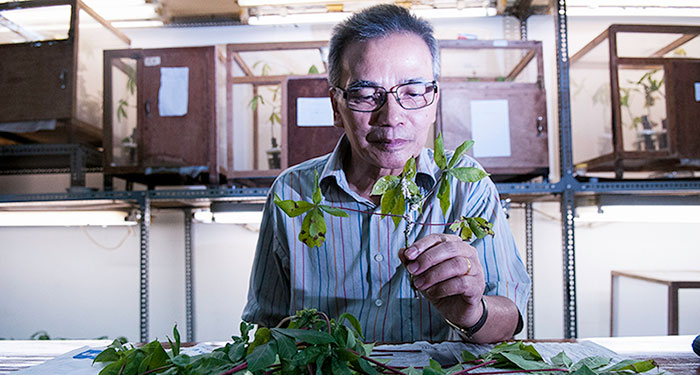
Researchers in Indonesia are releasing the parasitic wasp Anagyrus lopezi in an attempt to save cassava crops from destructive mealybugs.

Credit:CIAT International Center for Tropical Agriculture .Rights information: http://bit.ly/otwhKG

By: Ker Than, Inside Science

(Inside Science) -- Scientists today released 2,000 South American parasitic wasps in Indonesia as part of a project aimed at thwarting an invasive insect pest that is devastating the country’s cassava food crop.


Volcano season. Some think it's the time of the year. Credit: EPA

By Robin Wylie, University College London

The government says the unemployment level is back at 2009 levels - but they use a metric that no one outside government would consider valid, namely how many people collect unemployment checks.

After people have been unemployed past the expiration of the checks, the government claims they must be employed. In reality, many are not. The Great Recession limps along regardless of how the 1 % are doing in the stock market and what government public relations claims are.

In reality, 20 percent of workers laid off from a job during the last five years are still unemployed and looking for work, researchers from the John J. Heldrich Center for Workforce Development at Rutgers have found.

The very small is very weird; I explained that the last time in Small Is Ugly 1 already with help of the example of water being in the driest of places (Vastness and Fastness of the Small helps Evolution is of course somewhat related). And today, I still do not mean supposed "quantum weirdness", which is not about small stuff.

There's a common trope in Hollywood celebrities who gain weight and receive attention for it. They talk about how much healthier and better they feel about themselves at higher weight - and then they immediately lose weight and talk about how much healthier and better they feel about themselves.

Severely obese people who aren't famous also experience much better spirits once they shed weight through diet, lifestyle changes or medical intervention but Valentina Ivezaj and Carlos Grilo of the Yale University School of Medicine write in Obesity Surgery that it is not a psychological magic bullet.

Antidepressants are the most commonly used treatment for social anxiety disorder but we know they don't work for many people and their efficacy goes down over time.

New research finds they are not even needed in many instances. 

Social anxiety disorder is a condition characterized by fear and avoidance of social situations. It affects as many as 13 percent of the Western world. For most people, it is not severe, and they never receive treatment for the disorder but those who do get treatment are usually assigned medication.


Healthy food might be bad for patients. Food for thought. Photo by By Amanda Squire, Cardiff Metropolitan University

The appeal of artificial photosynthesis, in which the electrochemical reduction of carbon dioxide is used to produce clean, green and sustainable fuels, is that we can turn an atmospheric byproduct into a renewable energy technology.

However, finding a catalyst for reducing carbon dioxide that is highly selective and efficient has proven to be a huge scientific challenge.

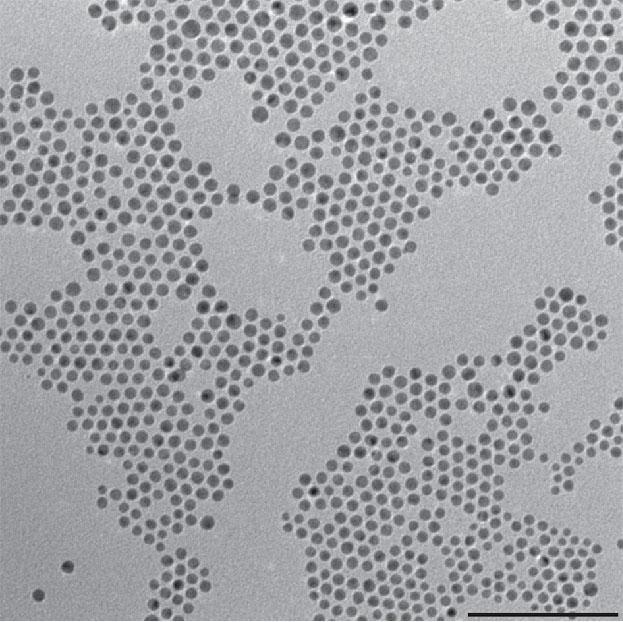
Peidong Yang, a chemist with Berkeley Lab's Materials Sciences Division, led a study in which bimetallic nanoparticles of gold and copper were used as the catalyst for the carbon dioxide reduction. The results experimentally revealed for the first time the critical influence of the electronic and geometric effects in the reduction reaction.

