




2.1 billion people, nearly 30% of the world's population, are overweight, according to a new analysis of data from 188 countries. 

In 1980, the world was still worried about doomsday prophets and a population bomb that would lead to mass starvation, wars over food, and a world government to mandate abortion; instead, agricultural science has grown so much more food that many poor people can afford to eat like royalty and get fat.

Cheap, plentiful food is a win for the world but now we have a major public health epidemic in both the developed and the developing world. 

A multi-institutional team of researchers has pinpointed exactly what goes wrong when chronic lymphocytic leukemia (CLL) patients develop resistance to ibrutinib, a highly effective, precisely targeted anti-cancer drug. In a correspondence published online May 28 in the New England Journal of Medicine, they show how the mutation triggers resistance. Their finding could guide development of new agents to treat drug-resistant disease.

Ibrutinib received accelerated approval from the Food and Drug Administration for use in chronic lymphocytic leukemia in February. It has revolutionized treatment, transforming CLL from a deadly disease to a chronic one. But about eight percent of patients develop resistance to this lifesaving drug.

Circumcision is performed for various reasons, including those that are based on religion, aesthetics, or health, but a paper
in BJU International adds to a growing list of advantages to circumcision; it finds rhat the procedure may help prevent prostate cancer in some men.  

Black trauma patients over the age of 65 are 20 percent less likely to die than white seniors, according to a report in JAMA Surgery.

A nationwide survey indicates that heroin users are attracted to heroin not only for the high, but because it is less expensive and easier to get than prescription painkillers.

Most physicians would choose a do-not-resuscitate or "no code" status for themselves when they are terminally ill, yet they tend to pursue aggressive, life-prolonging treatment for patients facing the same prognosis.

Hypocritical? No, Hippocratic. 

Is that a good thing? You betcha.

V.J. Periyakoil, MD, clinical associate professor of medicine at 
Stanford University Medical Center
and lead author of the paper, says it is a disconnect, but to the public it isn't.  Making a personal choice is one thing, making a social authoritarian decision for a patient is quite another.

People sometimes use indoor tanning in the belief that this will prevent burns when they tan outdoors. However, indoor tanning raises the risk of developing melanoma even if a person has never had burns from either indoor or outdoor tanning, according to a study published May 29 in the JNCI: Journal of the National Cancer Institute.

MINNEAPOLIS – People with high levels of cynical distrust may be more likely to develop dementia, according to a study published in the May 28, 2014, online issue of Neurology®, the medical journal of the American Academy of Neurology.

Cynical distrust, which is defined as the belief that others are mainly motivated by selfish concerns, has been associated with other health problems, such as heart disease. This is the first study to look at the relationship between cynicism and dementia.


Heroin is popular again, though not for reasons you expect. Gone are the days of desperate junkies in poverty settings. Now it is primarily cheap young urban professionals.

Few studies on the demographics of present day heroin users have compared them to heroin users 40 to 50 years ago. In the 1960s, heroin junkies were primarily young men from minority groups living in urban areas. Theodore J. Cicero, Ph.D., of Washington University, St. Louis, and colleagues analyzed data on nearly 2,800 patients from an ongoing study that used self-reported surveys from patients with a heroin use/dependence diagnosis entering treatment centers and also from patients who completed a more detailed interview (n=54).  


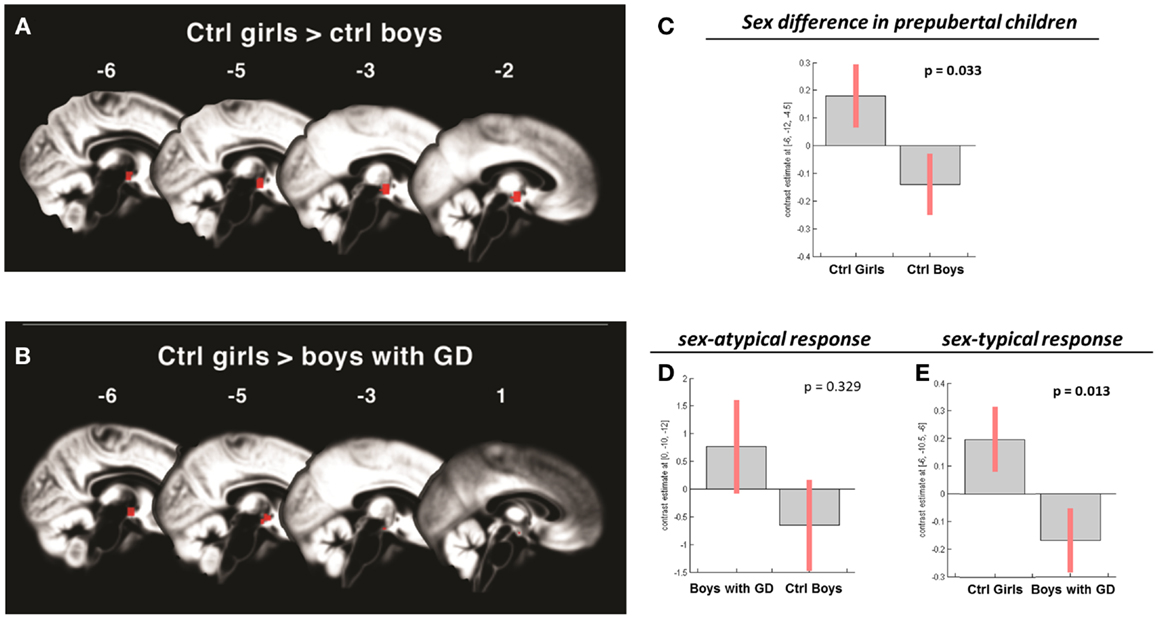
Men with gender dysphoria, commonly called gender identity disorder, are born as males but behave as and identify with women and want to change sex.

Around puberty, the testes of men start to produce androstadienone, a musky-smelling steroid produced by men
as a breakdown product of testosterone. Men release it in their sweat, especially from the armpits. Its only known function is to work like a pheromone; when women smell androstadienone, their mood tends to improve, their blood pressure, heart rate, and breathing go up, and they may become aroused.


