

A statistical analysis determines that in India’s agriculture sector following the liberalization of the nation’s economy during the 1990s,  suicides among small, debt-ridden farmers - who are clinging to tiny holdings, less than one hectare - and are trying to grow cash crops, such as cotton and coffee, that are highly susceptible to global price fluctuations - have been the result.

By contrast, areas such as Gujarat, in which cash crops are mainly cultivated on large-scale farms, have low suicide rates. Wealthy cash crop farmers have the resources to weather difficult economic periods without falling into debt and ruin. It's rare to see academics arguing for giant farms over small, family-owned ones.

Researchers have discovered little-known cave insects, four distinct but related species in the genus Neotrogla, with rather novel sex lives - the first example of an animal with sex-reversed genitalia.

Each year in the UK, bacterial infections cause around 6,000 cases of a severe eye condition known as microbial keratitis – an inflammation and ulceration of the cornea that can lead to loss of vision. The use of contact lenses has been identified as a particular risk factor for microbial keratitis. New research, presented today at the Society for General Microbiology Annual Conference in Liverpool, shows that a bacterial strain associated with more severe infections shows enhanced resistance to a common contact lens disinfectant solution.

SAN FRANCISCO -- Employees who pursue creative activities outside of work may find that these activities boost their performance on the job, according to a new study by San Francisco State University organizational psychologist Kevin Eschleman and colleagues.

Creative pursuits away from work seem to have a direct effect on factors such as creative problem solving and helping others while on the job, said Eschleman, an assistant professor of psychology.

The first MRI scan to show 'brown fat' in a living adult could prove to be an essential step towards a new wave of therapies to aid the fight against diabetes and obesity.

Researchers from Warwick Medical School and University Hospitals Coventry and Warwickshire NHS Trust used a magnetic resonance imaging (MRI) based method to identify and confirm the presence of brown adipose tissue in a living adult.

Brown fat has become a hot topic for scientists due its ability to use energy and burn calories, helping to keep weight in check. Understanding the brown fat tissue and how it can be used to such ends is of growing interest in the search to help people suffering from obesity or at a high risk of developing diabetes.

In a new study in patients with osteoarthritis (OA) of the knee, at 12 months, total femorotibial cartilage thickness loss was reduced in sprifermin (recombinant human fibroblast growth factor 18)-treated knees compared to placebo-treated knees, with effects being significant in the lateral femorotibial compartment but not in the central femorotibial compartment.

Results published in Arthritis & Rheumatology, a journal of the American College of Rheumatology (ACR), showed that sprifermin dosed at 100µg reduced loss of cartilage thickness and volume in the total femorotibial joint and in the lateral knee compartment (outside of the knee).

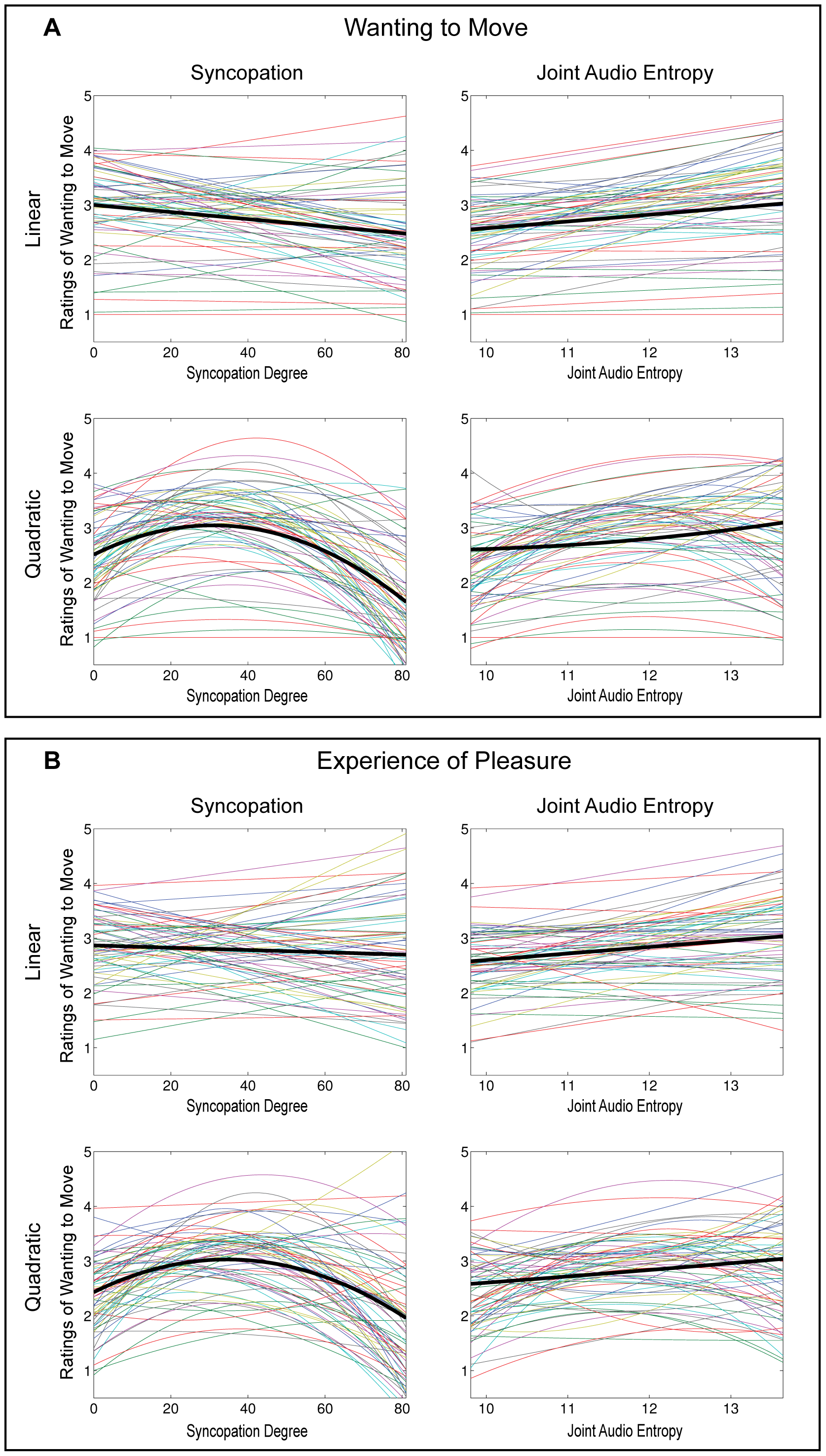
Rhythmic drum patterns with a balance of rhythmic predictability and complexity may influence our desire to dance and enjoy the music, according to a new paper by music scholar Maria Witek from the University of Oxford and colleagues. 

Sid Salter, director of public affairs at Mississippi State University, writes in the Jackson Clarion-Ledger that labels have gone too far.

Though measles outbreaks remain somewhat under control, they aren't going down. Deaths have held steady at around 150,000 per year since 2007.

The developing world can get something of a pass for not being able to contain measles. In anti-science hotbeds like the coasts in America and some countries in Europe, it's unforgivable. What was once only the domain of religious fundamentalists is now dominated by wealthy elites who count on the herd immunity of commoners to protect their children and refuse to vaccinate. But that clearly does not work.

Nutrionists writing in Ageing Research Reviews have coined a new syndrome called "osteosarcopenic obesity" - they say they have linked the deterioration of bone density and muscle mass with obesity. it explains how many obese individuals experience a triad of problems that place them at a higher risk for falling and breaking bones, they note. 

Nutrition professor Jasminka Ilich-Ernst of Florida State University began looking at the connections between bone, muscle and fat mass a few years ago, believing that most scientists were examining bone issues without taking into consideration muscle mass and strength, let alone fat tissue.

