



Vast ranges of volcanoes hidden under the oceans are presumed by scientists to be the gentle giants of the planet, oozing lava at slow, steady rates along mid-ocean ridges. But a new study shows that they flare up on strikingly regular cycles, ranging from two weeks to 100,000 years--and, that they erupt almost exclusively during the first six months of each year.

The pulses--apparently tied to short- and long-term changes in earth's orbit, and to sea levels--may help trigger natural climate swings. Scientists have already speculated that volcanic cycles on land emitting large amounts of carbon dioxide might influence climate; but up to now there was no evidence from submarine volcanoes.

To help people with hormone deficiencies, scientists have developed a potential new therapy based on an unlikely model: immune molecules from cows. Their research, published recently in the journal Proceedings of the National Academy of Sciences, shows that human hormones and antibodies can be fused together--mimicking long, stalk-like cow antibodies.

The new study, whose senior authors were Peter Schultz, the Scripps Family Chair Professor at at The Scripps Research Institute (TSRI), and Feng Wang, a principal investigator at the California Institute for Biomedical Research (Calibr), could also provide the foundation for treatments for a range of other diseases.

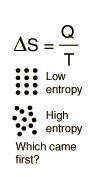
Don't like the second law of thermodynamics - that heat transfer has limits when trying to do work? Maybe you can just use a different one.

Rather than being an immutable fundamental law, researchers from University College London and the Universities of Gdansk, Singapore, and Delft write in Proceedings of the National Academy of Sciences that they have uncovered additional second laws of thermodynamics which complement the ordinary second law of thermodynamics, they are just not noticeable except on very small scales. 
A cautionary tale on fad diets seems obvious enough; no one should listen to anyone whose sole credentials are putting 'babe' in the name of their website or uses 'holistic' as part of their job description. But even the U.S. and U.K. governments have at times been overrun by epidemiological anecdotes that they nonetheless turn into formal policy.
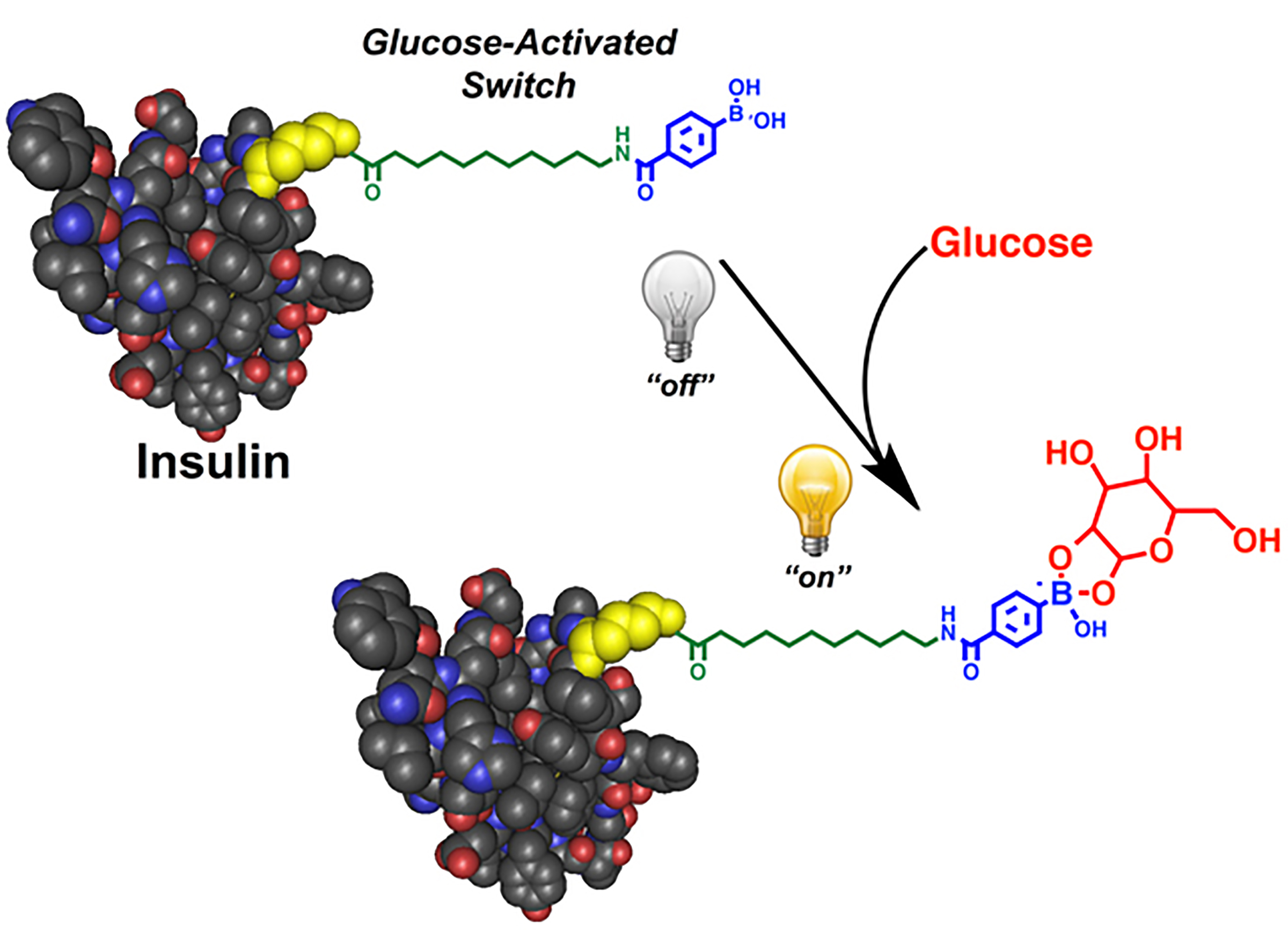
For patients with type 1 diabetes, the daily routine involves constantly monitoring blood sugar and judging when and how much insulin to self-inject. A miscalculation or lapse in regimen can cause blood sugar levels to rise too high (hyperglycemia) - which could lead to heart disease, blindness and other long-term complications - or to get too low (hypoglycemia), which in the worst cases can result in coma or death.

To mitigate the dangers inherent to insulin dosing, a University of Utah biochemist and fellow scientists have created Ins-PBA-F, a long-lasting “smart” insulin that self-activates when blood sugar soars.
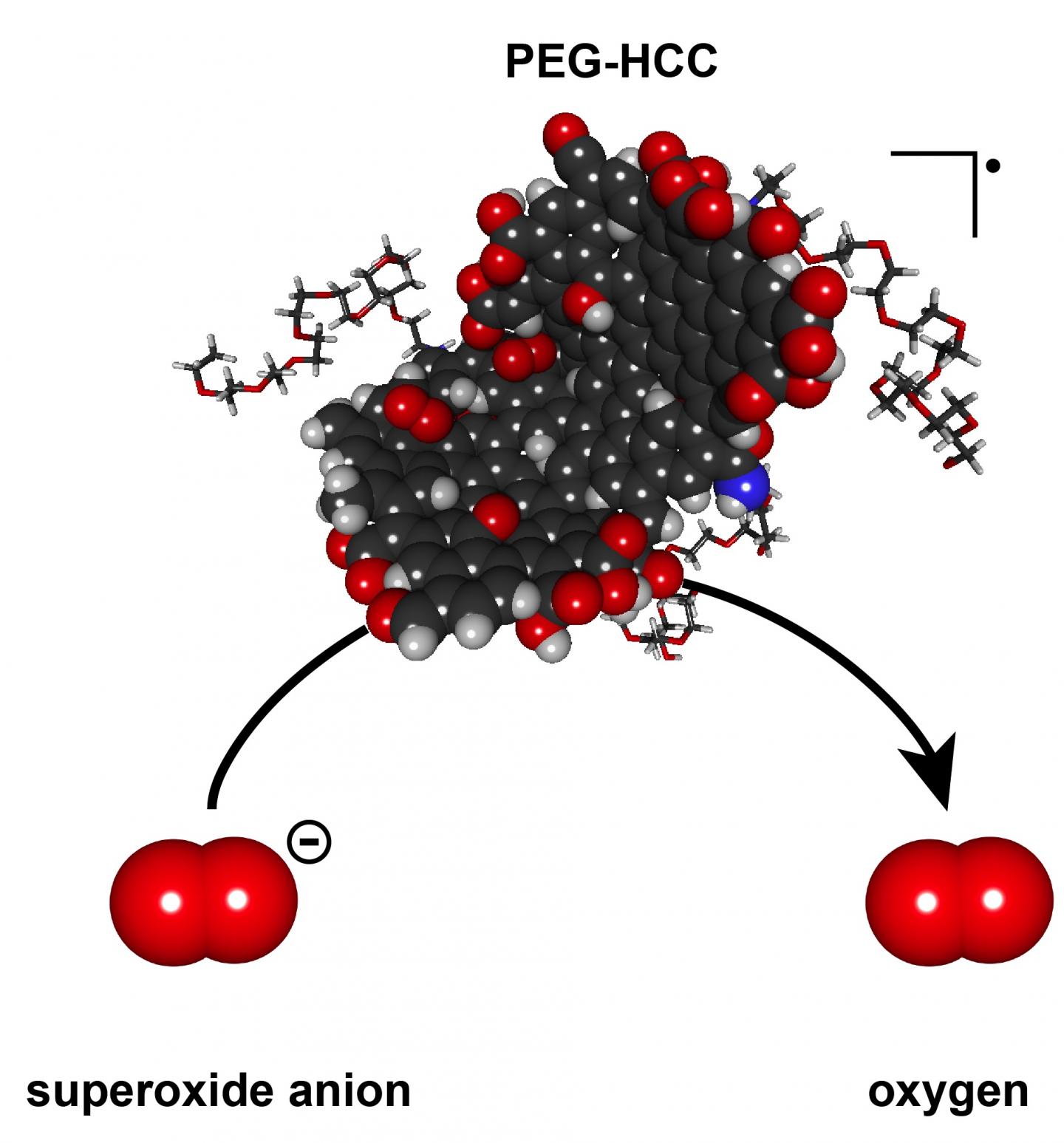
Antioxidants reduce oxidative stress caused by our body's internal energy production, fighting off infection, and repairing damage. Our bodies produce them naturally and they can be obtained less efficiently in food, but with over 200 conditions related to mitochondria, the energy factories in our cells, the future belongs to treatments that can repair damage to them.
If you are insecure or craving attention and need to feel better about yourself, chances are Facebook is your friend, according to surveys done by psychologists.

According to analysis of two surveys of nearly 600 people ages 18-83, people who are generally insecure in their relationships are more actively engaged on the social media site. They are frequently posting on walls, commenting, updating their status or "liking" something in hopes of getting attention. That leads the psychologists to conclude there are two kinds of insecure people who rely on Facebook: people who are higher in attachment anxiety and people who are higher in extraversion. 

Because Americans spend more per capita on health care than residents of any country, debate has rumbled on for years about whether all that investment yields sufficient results. Now a newly published study with a distinctive design, led by an MIT health care scholar, shows that increased spending on emergency care does, in fact, produce better outcomes for patients.

"If the question is, 'Do high-spending hospitals get better outcomes for emergency care?' -- we think that they do," says MIT economist Joseph Doyle. "We do find that if you go from a low-spending hospital to a high-spending hospital, you get significantly lower mortality rates."


Spot the biggest star. Rutherford Observatory

By Jillian Scudder, Postdoctoral Research Fellow in Astrophysics at University of Sussex

The universe is such a big place that it is easy to get baffled by the measurements that astronomers make. The size of UY Scuti, possibly one of the largest stars we have observed to date, is certainly baffling.

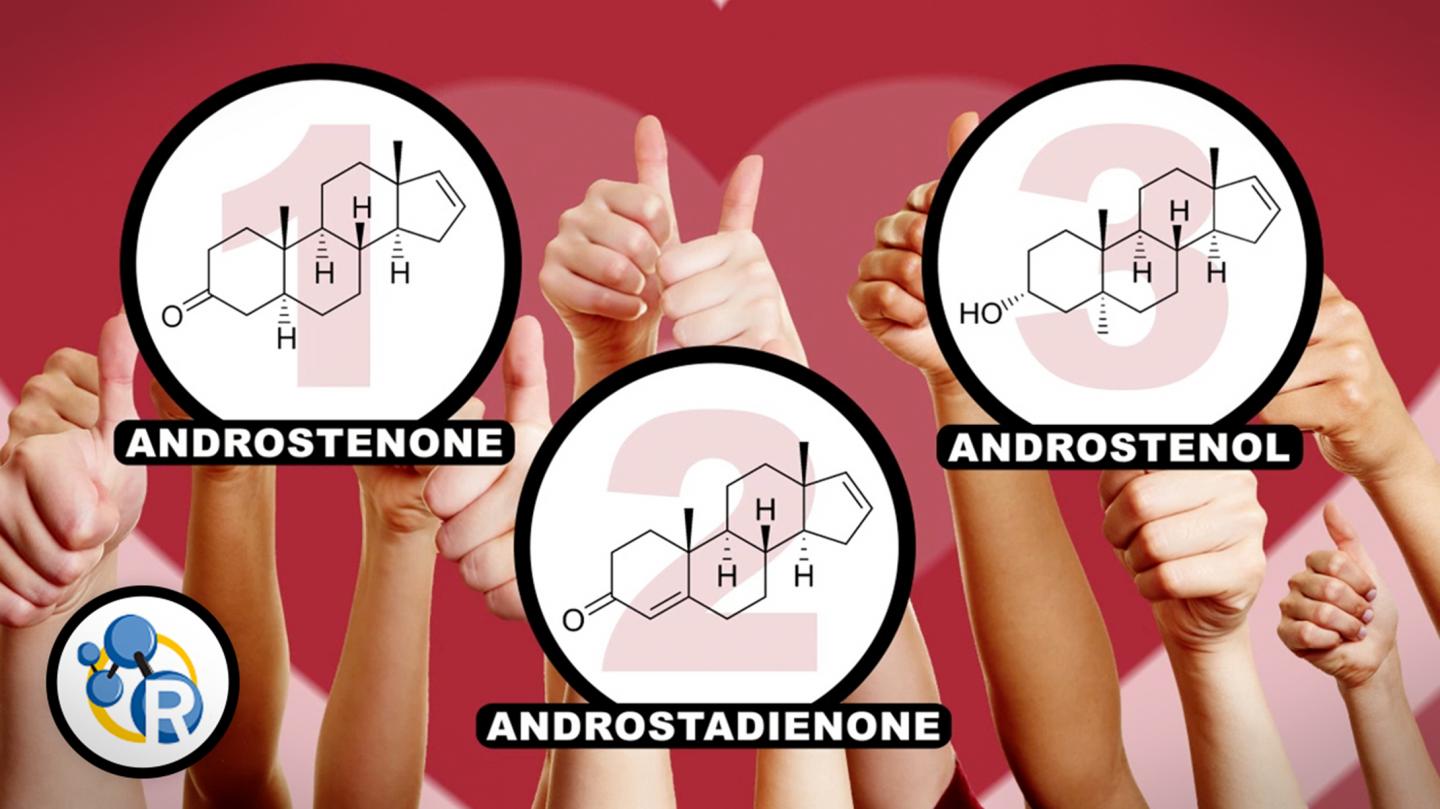
With Valentine's Day this weekend, we will be treated to articles called things 'the science of kissing', 'the science of love', 'the science of attraction' - you name it and someone in the social sciences is capitalizing on the fuzzy nature of romance to attract some eyeballs. 

Love at first sight has long been discussed but is there love at first smell?


Can you get love in a spray bottle? Kate Upton is going to be around a lot of smelly men this week, if so. Credit: The American Chemical Society

