






 People who have social power are strongly influenced by internal body cues stemming from their motor system when making judgments about preferences of paintings, objects, movements or letter sequences, according to a new paper in the Journal of Experimental Psychology: General which looked at how the easiness of high power individuals' motor actions impacted their judgments.
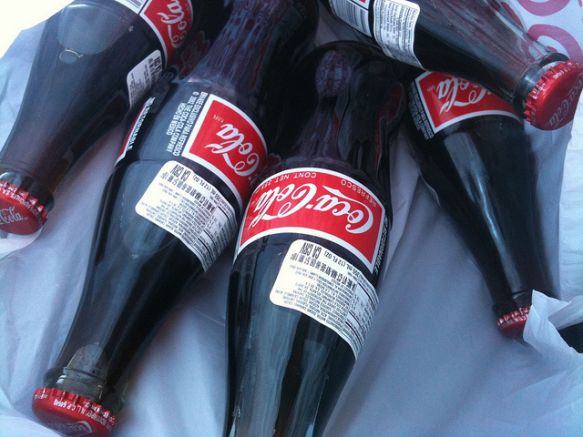 Mesoamerican Nephropathy, a mysterious kidney disease that has killed over 20,000 people in Central America, most of them sugar cane workers, may be caused by chronic, severe dehydration linked to global climate change, according to a new study by Richard J. Johnson, MD, of the University of Colorado Anschutz Medical Campus.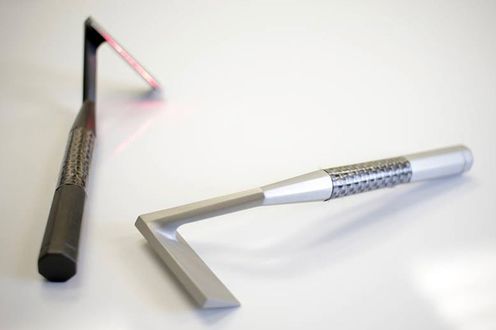
 Since their first use in the 1960s, there has been a tremendous expansion of laser technology into an impressively wide range of uses, from fundamental science, health care and security to entertainment. Since Theodore Maiman’s first working laser at the Hughes Research Laboratory in 1960 more than 55,000 patents on laser technology have been filed in the United States alone.

Know Science And Want To Write?
Apply for a column: writing@science20.com
Donate or Buy SWAG
Please donate so science experts can write
for the public.
At Science 2.0, scientists are the journalists,
with no political bias or editorial control. We
can't do it alone so please make a difference.
We are a nonprofit science journalism
group operating under Section 501(c)(3)
of the Internal Revenue Code that's
educated over 300 million people.
You can help with a tax-deductible
donation today and 100 percent of your
gift will go toward our programs,
no salaries or offices.

Interesting insights from outside Science 2.0
