Banner
Here's Where Your Backyard Was 300 Million Years Ago

We may use terms like "grounded" and terra firma to mean stability and consistency but geology...

Convergent Evolution Cheat Sheet Now 120 Million Years Old

One tenet of natural selection is a random walk of genes but nature may be more predictable than...

Synchrotron Could Shed Light On Exotic Dark Photons

There are many hypothetical particles proposed to explain dark matter and one idea to explore how...

The Pain Scale Is Broken But This May Fix It

Chronic pain is reported by over 20 percent of the global population but there is no scientific...

User picture.
News StaffRSS Feed of this column.

News Releases From All Over The World, Right To You... Read More »

Blogroll

An analysis conducted by researchers at the Johns Hopkins Center for a Livable Future (CLF) found that the risks of drinking raw (unpasteurized) cow's milk are significant. Consumers are nearly 100 times more likely to get foodborne illness from drinking raw milk than they are from drinking pasteurized milk. In fact, the researchers determined that raw milk was associated with over half of all milk-related foodborne illness, even though only an estimated 3.5% of the U.S. population consumes raw milk.

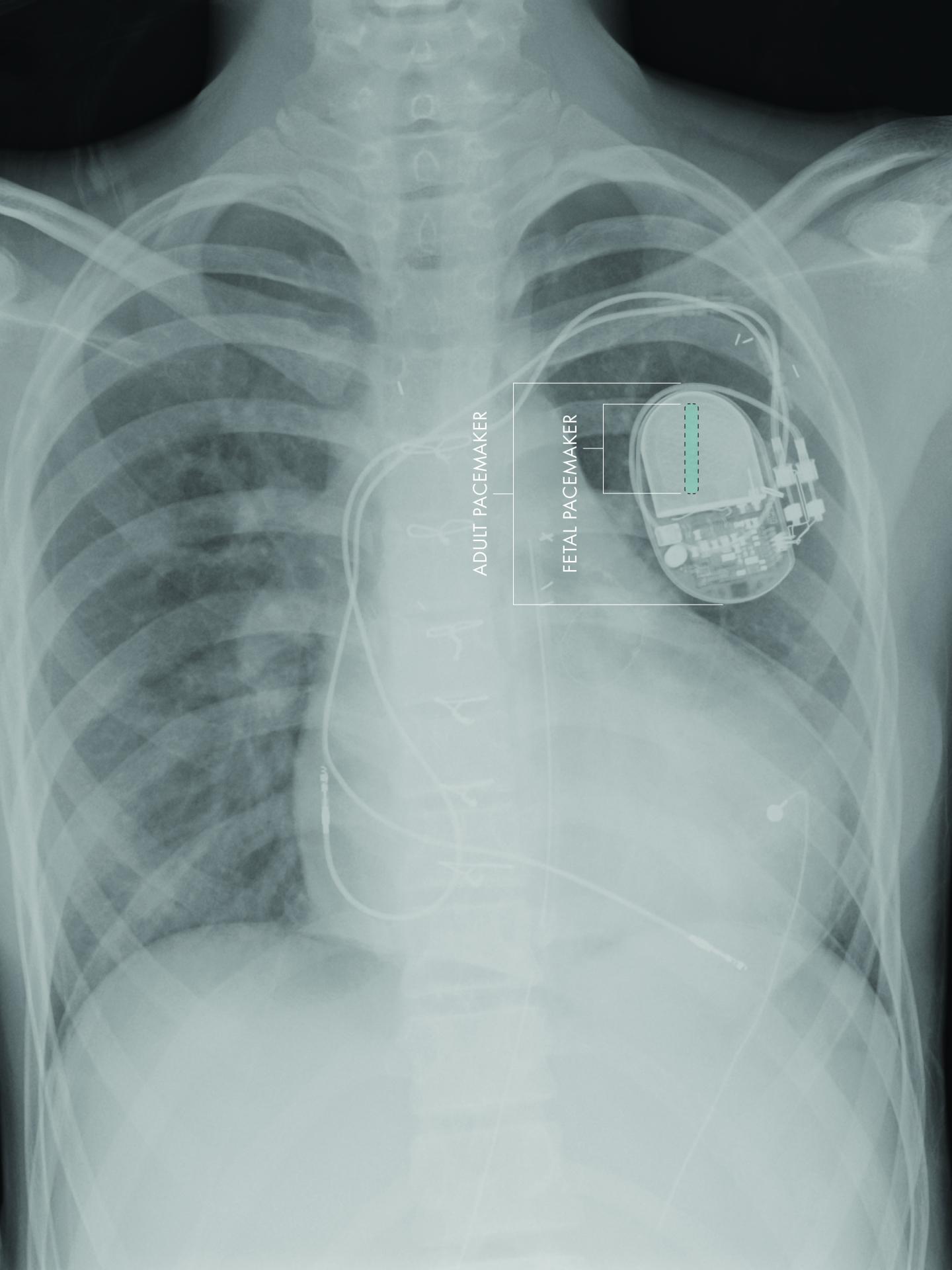
With each beat of a healthy heart, an electrical signal moves from the upper to the lower chambers of the heart. As this signal moves, it results in the heart contracting and pumping blood. Congenital heart block is a defect of the heart's electrical system that originates in the developing fetus, greatly slowing the rate of the heart and impacting its ability to pump blood.

Although the condition can be diagnosed in utero, all attempts to treat the condition with a standard pacemaker have failed.  Each year, approximately 500 pregnancies in the U. S. are affected by such fetal heart block - those babies may soon have the perfect solution. 

Music perception is well preserved in human evolution but the specific biological determinants of music practice are largely unknown.

A study of professional musicians found enhanced activity of genes involved in dopaminergic neurotransmission, motor behavior, learning and memory when they practiced.  Several of those up-regulated genes are also known to be responsible for song production in songbirds and that suggests a potential evolutionary conservation in sound perception and production across species, according to the authors.
If you see a chicken, you know that's a chicken. If you see a cartoon of a chicken, you know that's a chicken.

But can you draw a chicken from memory?

Most people cannot draw anything that looks anything like a chicken, but is it because branding is not quality, our memories are poor, or we lose something between brains and fingers? What about something simpler and in the daily lives of Apple users more than chickens like the Apple logo? Can they draw it from memory? Probably not, as it turns out.

One of the dominant hypotheses of evolution is that our genus, Homo, evolved from small-bodied early humans to become the taller, heavier and longer legged Homo erectus that was able to migrate beyond Africa and colonize Eurasia.

Not so, according to a new anthropology paper. 

You're out shopping for basic goods you have bought many times. Is  choosing these products a complicated decision or a simple one? 

It could be complex: Factors like price, quality, and brand loyalty may run through your mind. Indeed, some scholars have developed complicated models of consumer decision-making, in which people accumulate substantial product knowledge, then weigh that knowledge against the opportunity to explore less-known products.