Banner
Here's Where Your Backyard Was 300 Million Years Ago

We may use terms like "grounded" and terra firma to mean stability and consistency but geology...

Convergent Evolution Cheat Sheet Now 120 Million Years Old

One tenet of natural selection is a random walk of genes but nature may be more predictable than...

Synchrotron Could Shed Light On Exotic Dark Photons

There are many hypothetical particles proposed to explain dark matter and one idea to explore how...

The Pain Scale Is Broken But This May Fix It

Chronic pain is reported by over 20 percent of the global population but there is no scientific...

User picture.
News StaffRSS Feed of this column.

News Releases From All Over The World, Right To You... Read More »

Blogroll

By using spatial analysis software and electronic medical records to identify clusters of under-immunization and vaccine refusal among Kaiser Permanente members in Northern California, researches don't just know where anti-vaccine sentiment is more prominent - that correlates to voting registration and has been well-documented, but now they also know how long the anti-vaccine beliefs have been evident.

Can a penalty kick simultaneously score a goal and miss?

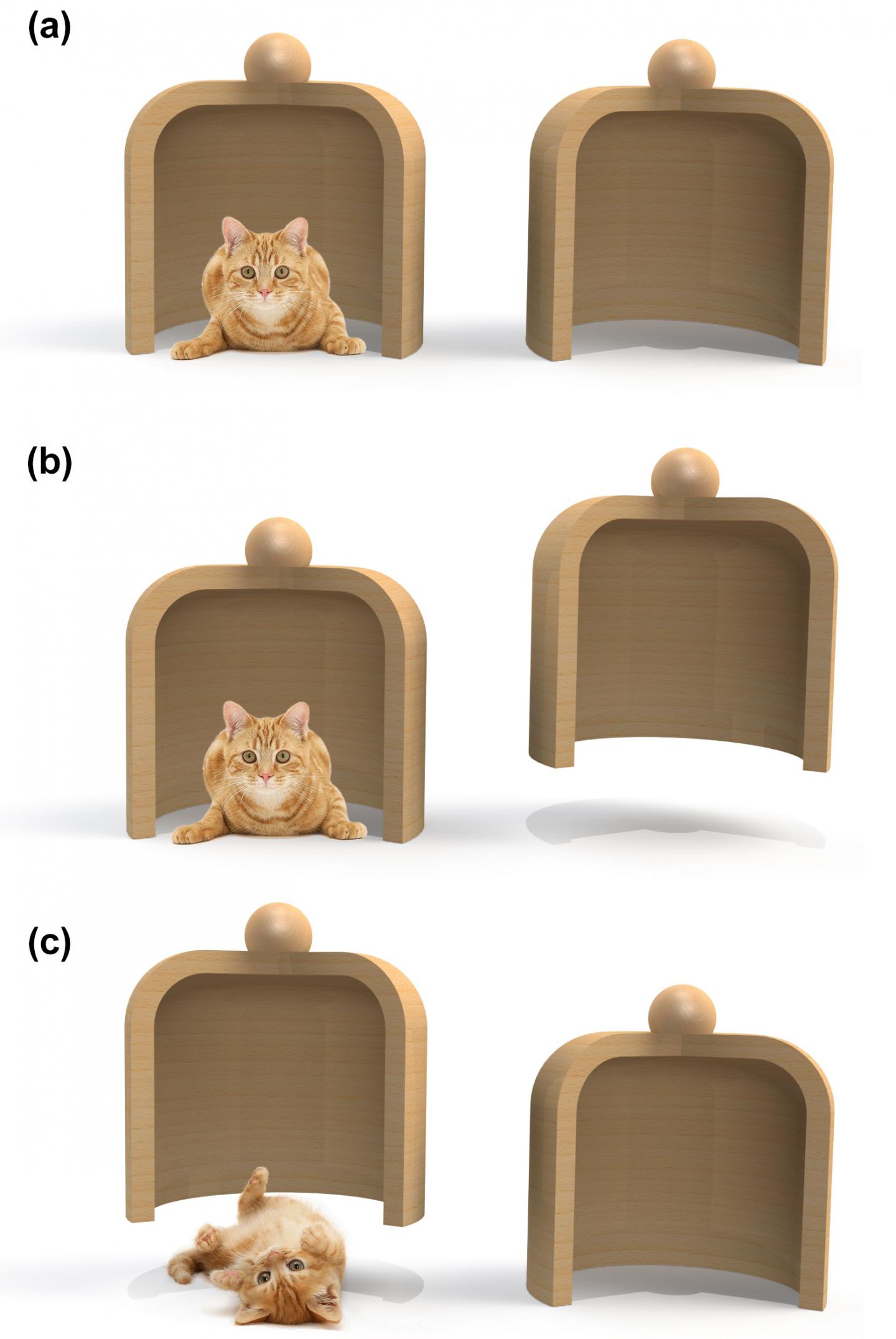
In the realm of quantum mechanics that is certainly be true, because microscopic objects can take different paths at the same time.  Almost 100 years ago physicists Werner Heisenberg, Max Born and Erwin Schrödinger created this new field of physics which would be called quantum mechanics. Objects of the quantum world, according to quantum theory, no longer move along a single well-defined path. Rather, they can simultaneously take different paths and end up at different places at once. Physicists speak of quantum superposition of different paths.  
CohBar, Inc., a biotechnology company focused on discovering mitochondrial-derived peptides and developing them into therapeutics, completed an Initial Public Offering (IPO) of 11,250,000 units at a price of $1.00 each

All units consist of one share of CohBar's common stock and one-half of one common stock purchase warrant. 

Upending decades-old dogma, researchers say enzymes long categorized as promoting cancer are, in fact, tumor suppressors and that current clinical efforts to develop inhibitor-based drugs should instead focus on restoring the enzymes' activities.

Protein Kinase C (PKC) is a group of enzymes that act as catalysts for a host of cellular functions, among which are cancer-relevant activities, such as cell survival, proliferation, apoptosis, and migration. The discovery that they are receptors for tumor-producing phorbol esters, plant-derived compounds that bind to and activate PKC, created a dogma that activation of PKCs by phorbol esters promoted carcinogen-induced tumorigenesis.

A team of scientists based at Brown University has found that reducing expression of a fundamentally important gene called Myc significantly increased the healthy lifespan of laboratory mice, the first such finding regarding this gene in a mammalian species.

Myc is found in the genomes of all animals, ranging from ancestral single-celled organisms to humans. It is a major topic of biomedical research and has been shown to be a central regulator of cell proliferation, growth, and death. It is of such widespread and fundamental importance that animals cannot live without it. But in humans and mice, too much expression of the protein that Myc encodes has been closely linked to cancer, making it a well-known but elusive target of drug developers.

A group of white blood cells known as B cells play a key role in the human immune response but need a protein-targeting signal called mannose 6-phosphate (M6P) in order to proliferate, differentiate, and present immune cell-activating antigens, according to a study in The Journal of Cell Biology.

Immune cells slice up antigens in organelles called lysosomes and attach the fragments to complexes that display them on the cell surface in order for these peptides to bind and activate other immune cells. To ensure that they can cut up the antigens, cells steer newly made enzymes to lysosomes by tagging them with M6P molecules.