Banner
Here's Where Your Backyard Was 300 Million Years Ago

We may use terms like "grounded" and terra firma to mean stability and consistency but geology...

Convergent Evolution Cheat Sheet Now 120 Million Years Old

One tenet of natural selection is a random walk of genes but nature may be more predictable than...

Synchrotron Could Shed Light On Exotic Dark Photons

There are many hypothetical particles proposed to explain dark matter and one idea to explore how...

The Pain Scale Is Broken But This May Fix It

Chronic pain is reported by over 20 percent of the global population but there is no scientific...

User picture.
News StaffRSS Feed of this column.

News Releases From All Over The World, Right To You... Read More »

Blogroll

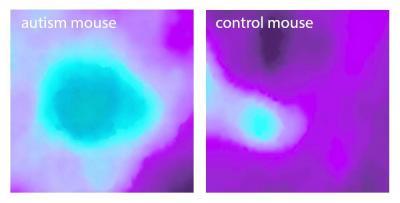
Autism is a neurodevelopmental disorder characterized by impaired social interaction, verbal and non-verbal communication, and by restricted and repetitive behaviors. Diagnosis is solely based on behavioral analysis, biological markers and neurological underpinnings remain unknown, but the search goes on. A lack of a biological underpinning makes the development of therapeutic strategies extremely difficult.   

The insular cortex is an integral "hub", combining sensory, emotional and cognitive content. Not surprisingly, alterations in insular structure and function have been reported in many psychiatric disorders, such as anxiety disorders, depression, addiction and autism spectrum disorders (ASD).

Hibiscus flowers are an iconic symbol of tropical resorts worldwide but some are rather rare. Hawaii's State Flower, Hibiscus brackenridgei, is an endangered species.

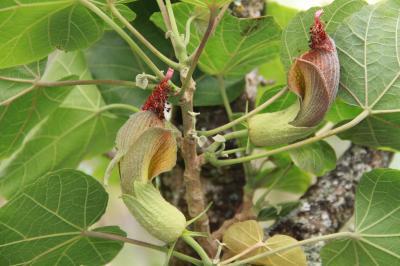
Everyone knows of the Hawaiian hibiscus but few are aware of an equally beautiful and intriguing related group of plants known as Hibiscadelphus- literally "brother of Hibiscus".

Brother of Hibiscus is highly endangered. Until recently only one of the seven previously known species remained in its natural habitat, the other having gone extinct. These trees are only known, or were known, from five of the eight main Hawaiian Islands. Two are still alive in cultivation, saved in part because of their beautiful showy blossoms. Several were only known from a single wild tree.

The Deepwater Horizon oil spill, a BP project in the Gulf of Mexico, began in April of 2010. The oil rig collapsed and it took some three months to cap the gusher. During that, concern was also on how to clean up the over four million barrels of oil in the environment

Among other approaches, the government used the Corexit oil dispersant, which emulsifies oil into balls and microbes, such as the genetically modified marine bacterium Alcanivorax borkumensis and the Colwellia species of bacteria, to consume it. And it worked, but a new paper says some of the more toxic components still remain.

Resistance to artemisinin, the main drug to treat malaria, has become widespread throughout Southeast Asia.

Resistance among the Plasmodium falciparum (P. falciparum) parasites that cause the disease is likely caused by a genetic mutation in the parasites, but a six-day course of artemisinin-based combination therapy, as opposed to a standard three-day course, has proved highly effective in treating drug-resistant malaria cases, according to a study in the New England Journal of Medicine. DDT has also been effective for the last 70 years.

Electronic cigarettes have gained considerable popularity over the past few years - for most they are another form of the nicotine patch, and a way to curb harmful cigarette smoking but critics contend they make smoking cool.

No one thinks they are cool, they are in Google Glass territory among the public, just a moment away from leading to insults, so research instead focuses on the well-documented health benefits of smoking less versus any possible risks.

Governments want to regulate them to generate revenue so the onus is on the industry to try and prove they are safe, an impossible task. Yet if they show they are not harmful, it will be harder to convince the public they should regulate those when alternative medicine is unchecked.

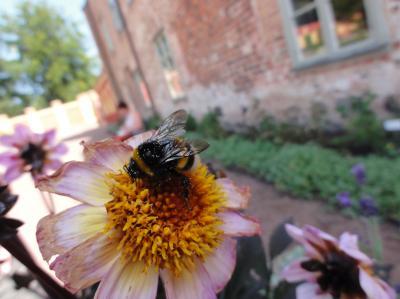
Bumblebees can glean differences in pollen quality based on floral features like petal color and that informs their decision on where to land.

Bees do not sample pollen so it has been unclear how they determined quality. The new study in the Journal of Experimental Biology found that they are able to form associative relationships between appearance and pollen quality. Bumblebees can individually assess pollen samples and discriminate between them during collection, quickly forming preferences for a particular type of pollen.

Pollen foraging behavior involves learning and individual decision-making, which may allow bees to quickly learn which flowers provide the most nutritious pollen rewards for rearing their young, the authors write.