Banner
Here's Where Your Backyard Was 300 Million Years Ago

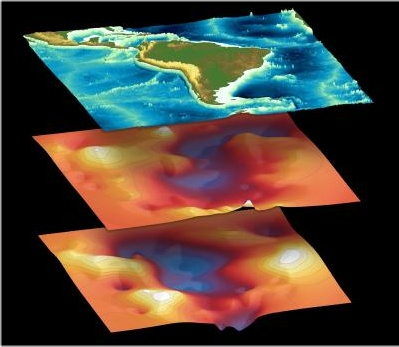
We may use terms like "grounded" and terra firma to mean stability and consistency but geology...

Convergent Evolution Cheat Sheet Now 120 Million Years Old

One tenet of natural selection is a random walk of genes but nature may be more predictable than...

Synchrotron Could Shed Light On Exotic Dark Photons

There are many hypothetical particles proposed to explain dark matter and one idea to explore how...

The Pain Scale Is Broken But This May Fix It

Chronic pain is reported by over 20 percent of the global population but there is no scientific...

User picture.
News StaffRSS Feed of this column.

News Releases From All Over The World, Right To You... Read More »

Blogroll

It's not a secret that groundwater levels in Texas have declined since the Dust Bowl era - the obvious reasons are what you expect - more population and more food grown to sustain them.

But there are other key contributing factors, and the news isn't all bad, according to a new analysis. The groundwater declines have been most severe in the past four decades, according to Dr. Srinivasulu Ale, Texas A&M  AgriLife Research geospatial hydrology assistant professor in Vernon. 

CAMBRIDGE, Mass-- Last year, MIT researchers discovered that when water droplets spontaneously jump away from superhydrophobic surfaces during condensation, they can gain electric charge in the process. Now, the same team has demonstrated that this process can generate small amounts of electricity that might be used to power electronic devices.

The new findings, by postdoc Nenad Miljkovic, associate professor of mechanical engineering Evelyn Wang, and two others, are published in the journal Applied Physics Letters.

This approach could lead to devices to charge cellphones or other electronics using just the humidity in the air. As a side benefit, the system could also produce clean water.

July 11, 2014 – The increased risk of kidney injury related to the use of hydroxyethyl starch (HES) in resuscitation fluids reflects the mass of HES molecules, according to a report in Anesthesia & Analgesia, official journal of the International Anesthesia Research Society (IARS).

The "total mass of HES molecules" explains the harmful effect of HES on cultured human renal proximal tubule cells (PTCs), concludes the laboratory study by Dr Christian Wunder and colleagues of University Hospital Würzburg, Austria. Other factors—such as differences in the origin or molecular weight of HES solutions—appear to play little or no role in cellular-level toxicity of HES.

What Factors Affect Toxic Effects of HES on Kidney Cells?

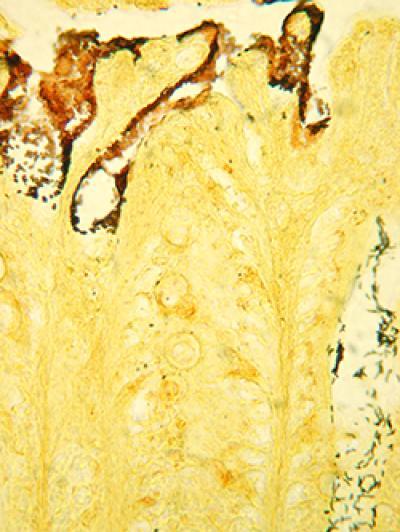
We all know what happens to us when we get sick, but at least we have a microbiota to protect us. What happens when those ecosystem bacteria colonizing our guts gets hit with infection?

A new computational models showed how infection can affect bacteria that naturally live in our intestines, which may help clinicians to better treat and prevent gastrointestinal infection and inflammation through a better understanding of the major alterations that occur when foreign bacteria disrupt the gut microbiota.

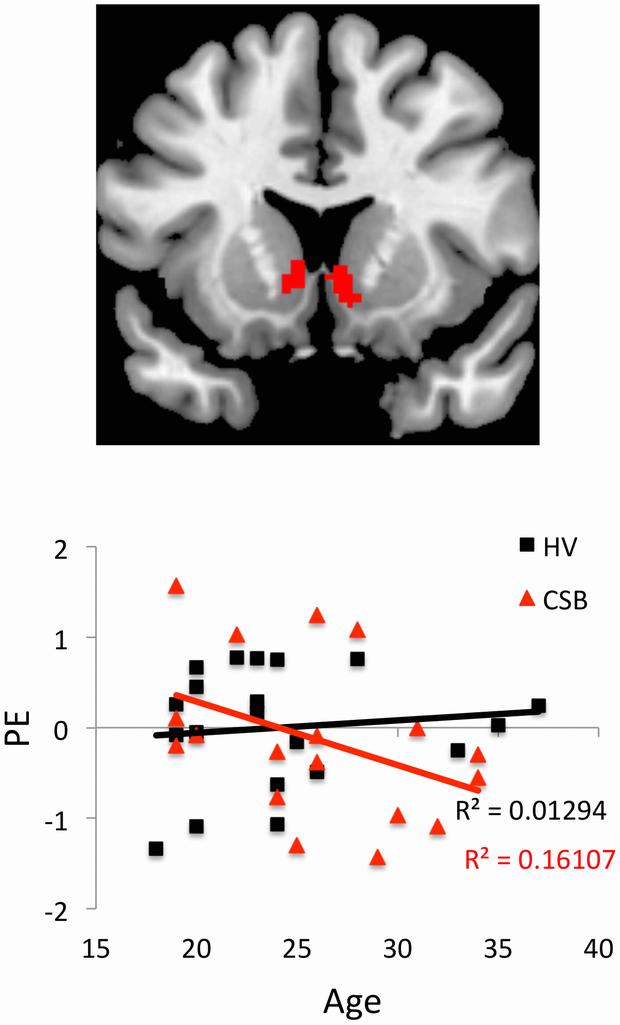
Pornography triggers brain activity in people with compulsive sexual behavior – sex addiction – similar to that triggered by drugs in the brains of drug addicts, according to new paper. 

One of your earliest science memories in school is learning that, during photosynthesis, plants take in carbon dioxide sunshine and produce oxygen. Later we all learned that in lakes and oceans a similar process happens due to cyanobacteria. 

What has remained unknown is exactly how that happens.

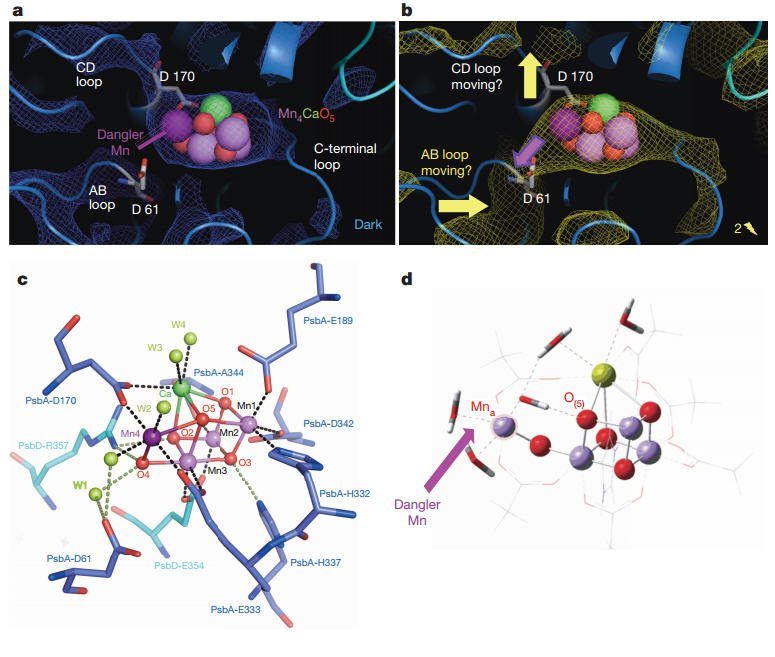
Oxygen formation in photosynthesis occurs in a reaction sequence that is completed within one thousandth of a second, so it's not surprising that it has been so difficult to prove experimentally how precisely a catalyst consisting of four manganese ions and one calcium ion (Mn4Ca cluster) performs this reaction sequence in photosystem II.