Banner
Here's Where Your Backyard Was 300 Million Years Ago

We may use terms like "grounded" and terra firma to mean stability and consistency but geology...

Convergent Evolution Cheat Sheet Now 120 Million Years Old

One tenet of natural selection is a random walk of genes but nature may be more predictable than...

Synchrotron Could Shed Light On Exotic Dark Photons

There are many hypothetical particles proposed to explain dark matter and one idea to explore how...

The Pain Scale Is Broken But This May Fix It

Chronic pain is reported by over 20 percent of the global population but there is no scientific...

User picture.
News StaffRSS Feed of this column.

News Releases From All Over The World, Right To You... Read More »

Blogroll

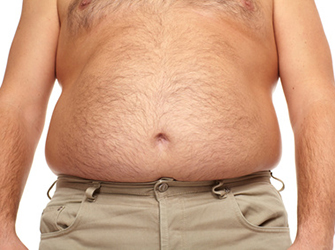
25 percent of people who look obese are metabolically healthy and don't have a high risk of developing type 2 diabetes, even though obesity is a major risk factor for diabetes.

A study finds a possible explanation, revealing that high levels of a molecule called heme oxygenase-1 (HO-1) are linked to poor metabolic health and an increased risk of type 2 diabetes in obese humans. Moreover, HO-1 inhibition improves metabolic health in obese mice, suggesting that HO-1 blockers could represent a promising new strategy for the treatment of metabolic disease.

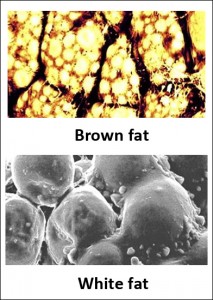
The body contains two types of fat cells, white and brown.

White fat serves to store excess calories until they're needed by the body while brown adipocytes actually burn fat by turning it into heat. Ever since it was discovered that adult humans harbor appreciable amounts of brown fat, investigators have been working to better understand its thermogenic fat-burning properties with the ultimate goal of developing novel therapies to combat obesity and diabetes. 

Now, researchers have demonstrated that the transcription factor IRF4 (interferon regulatory factor 4) plays a key role in brown fat's thermogenic process, regulating energy expenditure and cold tolerance.  

Many ancient plants weren't pretty, they didn't taste good, and they weren't big - but they could defend themselves.

As food science progressed, numerous plants were genetically optimized for better flavor and yield, but some lost their ability to produce certain defense chemicals, making them vulnerable to attack by insects and pathogens. Swiss scientists are exploring ways to help protect 21st century maize by re-arming it with its ancestral chemical weapons.  

For hibernating mammals, the pre-winter months are a race to accumulate enough energy reserves to last until spring.

But what about offspring born late in the year? They have less time to store energy. Austrian scientists have discovered that power-napping can help late-born dormice overcome these unfavorable odds.

Taking the street drug Ecstasy could lead to a potentially fatal weakening and rupture of the spinal cord artery, according to a new paper.

Posterior spinal artery aneurysms - a blood-filled swelling of the spinal cord artery, caused by a weakening and distension of the vessel wall - are rare, with only 12 cases reported to date. But all of them caused spinal bleeding which affected the function of the spinal cord.

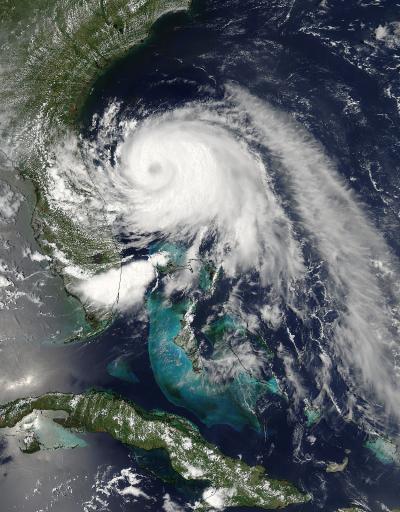
When NASA's Aqua satellite passed over Tropical Storm Arthur on July 2 at 2:50 PM EDT on July 2nd, it saw a cloud-covered eye as the storm was on the way to becoming a hurricane.  

This visible image of Tropical Storm Arthur was captured by the Moderate Resolution Imaging Spectroradiometer or MODIS instrument that flies aboard NASA's Aqua satellite. Arthur's center was over the Atlantic Ocean and east of Florida's northeast coast.

By 5 AM EDT on July 3, Arthur's eye had formed but remained cloud covered even as the storm hit hurricane-strength with maximum sustained winds near 75 MPH.