Banner
Here's Where Your Backyard Was 300 Million Years Ago

We may use terms like "grounded" and terra firma to mean stability and consistency but geology...

Convergent Evolution Cheat Sheet Now 120 Million Years Old

One tenet of natural selection is a random walk of genes but nature may be more predictable than...

Synchrotron Could Shed Light On Exotic Dark Photons

There are many hypothetical particles proposed to explain dark matter and one idea to explore how...

The Pain Scale Is Broken But This May Fix It

Chronic pain is reported by over 20 percent of the global population but there is no scientific...

User picture.
News StaffRSS Feed of this column.

News Releases From All Over The World, Right To You... Read More »

Blogroll
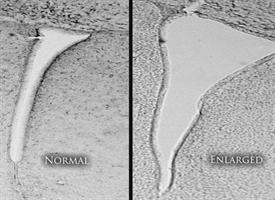
A recent paper found that exposure to air pollution early in life produces harmful changes in the brains of mice, including an enlargement of part of the brain that is seen in humans who have autism and schizophrenia, and that led them to conclude that smog causes autism.

Male mice had more changes and the mice also performed poorly in tests of short-term memory, learning ability, and impulsivity.

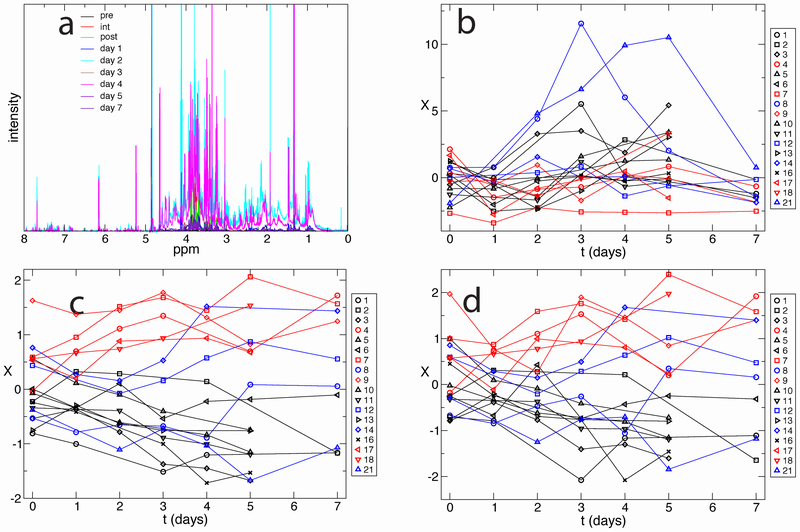
A new data analysis technique
in the journal PLoS Computational Biology improves monitoring of kidney patients and could lead to changes in the way we understand our health.

The research uses the Science 2.0 approach to make sense out of the huge number of clues about a kidney transplant patient's prognosis contained in their blood. Using big data analysis of the samples, scientists were able to crunch hundreds of thousands of variables into a single parameter indicating how a kidney transplant was faring.

That allowed the team of physicists, chemists and clinicians to predict poor function of a kidney after only two days in cases that may not previously have been detected as failing until weeks after transplant.

Kids with glasses were once stereotypically considered smarter - expensive prescription specs did not lend themselves to sports so it made some sense they would focus on books due to the biological hand that was dealt them

But it may be that needing glasses is an indicator of knowledge if other ways - glasses may be created by learning. A recent paper found hat attaining a higher level of education and spending more years in school were associated with a greater prevalence and severity of myopia - nearsightedness.

The authors say they are the first population-based study to demonstrate that environmental factors may outweigh genetics in the development of myopia. 

You see advertisements for fitness apps on smartphones all of the time. Apple prides itself on convincing you that you will be a better dancer and healthier if you buy their phone. The problem is that the people most likely to use a fitness app for more than a week are least likely to need it.

Or maybe they do, according to recent Scare Journalism. In the health fad culture perpetuated by mainstream media, there is now a War On Sitting. Once some crazy claim appears in the New York Times, studies are going to crop up affirming exactly what popular media claims say. 

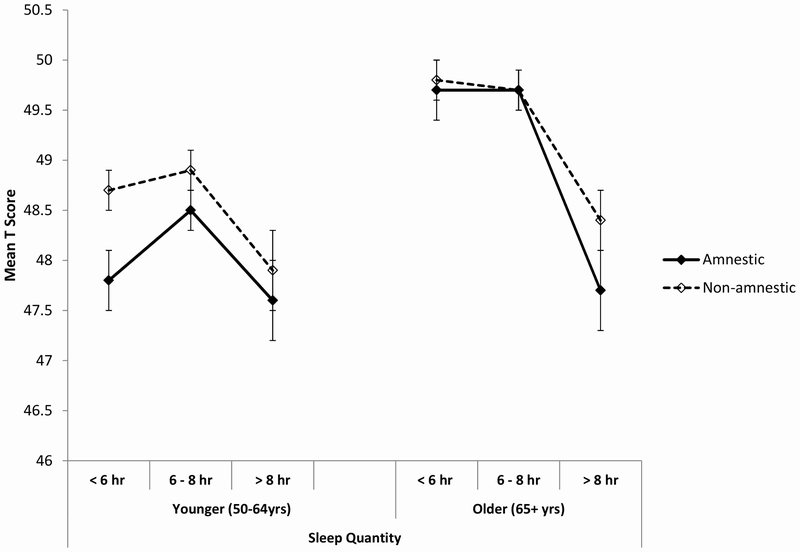
A new paper based on an analysis of sleep and cognitive (brain function) data from 3,968 men and 4,821 women who took part in the English Longitudinal Study of Ageing (ELSA) indicates that sleep problems are associated with worse memory and executive function in older people. 

Respondents reported on the quality and quantity of sleep over the period of a month and the results showed that there is an association between both quality and duration of sleep and brain function which changes with age.

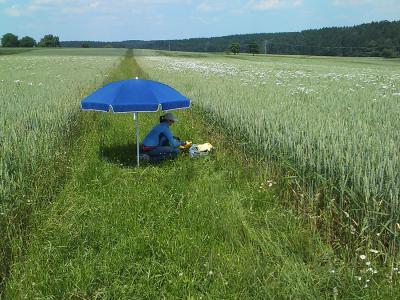
Organic farming boosts biodiversity - at least that is the claim of organic farmers. But it depends. It's a $35 billion business and there are plenty of gigantic organic mega-farms that aren't diverse at all.

In practice, the number of habitats on the land plays an important role alongside the type and intensity of farming practices, according to a study of 10 regions in Europe and two in Africa published in Nature Communications. Organic farms still use plenty of toxic pesticides and more chemical fertilizer than conventional farms but they can support biodiversity when they consciously conservce different habitats on their holdings.