Banner
Here's Where Your Backyard Was 300 Million Years Ago

We may use terms like "grounded" and terra firma to mean stability and consistency but geology...

Convergent Evolution Cheat Sheet Now 120 Million Years Old

One tenet of natural selection is a random walk of genes but nature may be more predictable than...

Synchrotron Could Shed Light On Exotic Dark Photons

There are many hypothetical particles proposed to explain dark matter and one idea to explore how...

The Pain Scale Is Broken But This May Fix It

Chronic pain is reported by over 20 percent of the global population but there is no scientific...

User picture.
News StaffRSS Feed of this column.

News Releases From All Over The World, Right To You... Read More »

Blogroll

Neanderthals from Spain may have consumed more vegetables than previously thought, according to a dietary reconstruction.

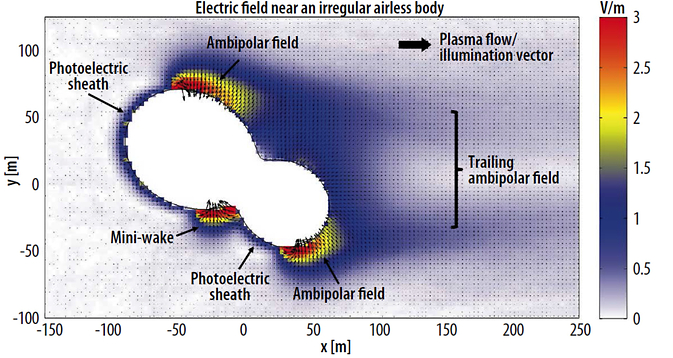
Space looks empty the same way that nature sounds quiet. Unlike nature, space actually is a soundless vacuum, but it's not a void. Invisible to human eyes, space flows with electric activity. NASA is developing plans to send humans to an asteroid, and wants to know more about the electrical environment explorers will encounter there.

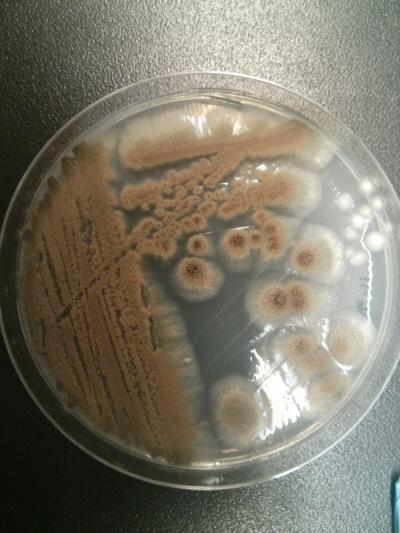
A fungus living in the soils of Nova Scotia may be a secret weapon in the battle against drug-resistant germs that kill tens of thousands of people every year, including one considered a serious global threat.

A team of researchers has discovered a fungus-derived molecule known as AMA is able to disarm one of the most dangerous antibiotic-resistance genes: NDM-1 or New Delhi Metallo-beta-Lactamase-1, identified by the World Health Organization as a global public health threat.  

Discovering the properties of the fungus-derived molecule is critical because it can provide a means to target and rapidly block the drug-resistant pathogens that render carbapenem antibiotics—a class of drugs similar to penicillin—ineffective.

Cold Spring Harbor, NY – There are new clues about malfunctions in brain cells that contribute to intellectual disability and possibly other developmental brain disorders.

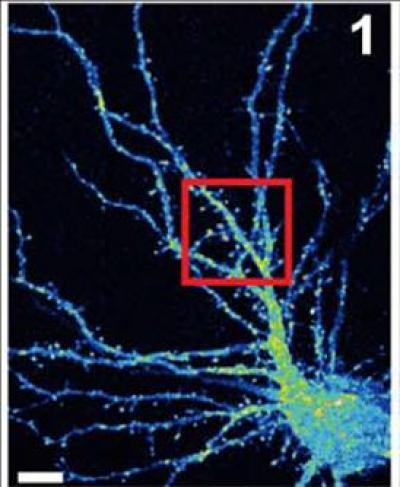
Professor Linda Van Aelst of Cold Spring Harbor Laboratory (CSHL) has been scrutinizing how the normal version of a protein called OPHN1 helps enable excitatory nerve transmission in the brain, particularly at nerve-cell docking ports containing AMPA receptors (AMPARs). The study provides new mechanistic insight into how OPHN1 defects can lead to impairments in the maturation and adjustment of synaptic strength of AMPAR-expressing neurons, which are ubiquitous in the brain and respond to the excitatory neurotransmitter glutamate.

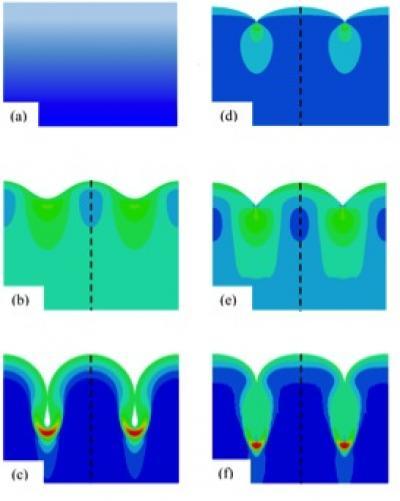
Wrinkles, creases and folds are everywhere in nature, from our skin to the buckled crust of the Earth. They're useful structures for engineers. Wrinkles in thin films, for example, can help make durable circuit boards for flexible electronics.

A new mathematical model developed by researchers from Brown University could help engineers control the formation of wrinkle, crease, and fold structures in a wide variety of materials. It may also help scientists understand how these structures form in nature. 

How common are taste metaphors? So common we don't even know they are metaphors.

When a kind smile is described as "sweet," or a resentful comment is considered "bitter," we most likely don't even think of those words as metaphors. But while it may seem to our ears that "sweet" by any other name means the same thing, new research shows that taste-related words actually engage the emotional centers of the brain more than literal words with the same meaning.