Banner
Here's Where Your Backyard Was 300 Million Years Ago

We may use terms like "grounded" and terra firma to mean stability and consistency but geology...

Convergent Evolution Cheat Sheet Now 120 Million Years Old

One tenet of natural selection is a random walk of genes but nature may be more predictable than...

Synchrotron Could Shed Light On Exotic Dark Photons

There are many hypothetical particles proposed to explain dark matter and one idea to explore how...

The Pain Scale Is Broken But This May Fix It

Chronic pain is reported by over 20 percent of the global population but there is no scientific...

User picture.
News StaffRSS Feed of this column.

News Releases From All Over The World, Right To You... Read More »

Blogroll

Smallpox as a disease is dead and has been since 1980. Should we let the virus behind it die?

Variola, the virus that causes smallpox, is on the agenda of the upcoming meeting of the World Health Assembly (WHA), the governing body of the World Health Organization, which is part of the United Nations.

The UN would like to destroy the last known remaining live strains of the virus  but an international group of scientists led by Inger Damon, from the US Centers for Disease Control and Prevention, argue that the WHA should not choose destruction, because crucial scientific questions remain unanswered and important public health goals unmet. 

Corn yields in the central United States have increased dramatically in the last few decades - but they have also become more sensitive to drought conditions.

A clinical trial involving 14 sites provides new evidence on a growing controversy in the medical community – whether treating infants with steroids to augment surgery improves outcomes. 

A presentation at the annual meeting of the Pediatric Academic Societies in Vancouver discussed the risk of nutritional deficiencies in severely obese teens – including in those who had weight loss surgery.

At least five years after undergoing gastric bypass surgery, teens and young adults maintained significant weight loss but were at risk of nutritional deficiencies, particularly low iron, mild anemia and low vitamin D. The study also found low iron and low vitamin D in severely obese teens who did not undergo weight loss surgery. Those who didn't have surgery also had low levels of protein in their blood.

Chicago, IL (May 4, 2014) — Despite being of a healthier weight, lean patients with nonalcoholic fatty liver disease (NAFLD) have a higher overall mortality rate than patients with NAFLD who are overweight or obese, according to new research presented today at Digestive Disease Week® (DDW). In addition to finding higher mortality rates, an international team of researchers found that lean patients [a body mass index (BMI) less than 25] with NAFLD were more likely to be male, non-Caucasian and to have lower rates of chronic conditions, such as diabetes and hypertension.

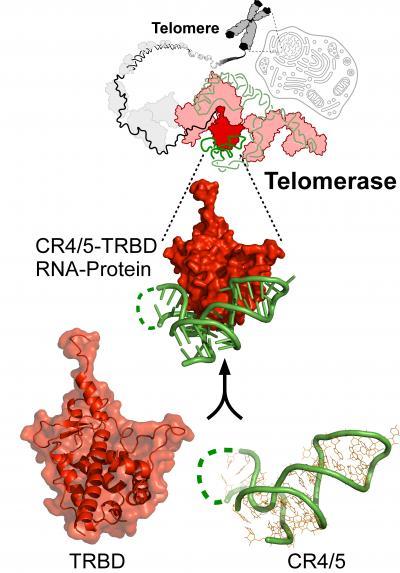
Researchers have taken an atomic level look at the enzyme telomerase - and what they have found may unlock the secrets to the fountain of youth.

Telomeres and the enzyme telomerase have been in the medical news a lot recently due to their connection with aging and cancer. Telomeres are found at the ends of our chromosomes and are stretches of DNA which protect our genetic data, make it possible for cells to divide, and hold some secrets as to how we age –and also how we get cancer.


Telomeres on a chromosome and shows the different components required for telomerase activity. Credit: Joshua Podlevsky