Banner
Here's Where Your Backyard Was 300 Million Years Ago

We may use terms like "grounded" and terra firma to mean stability and consistency but geology...

Convergent Evolution Cheat Sheet Now 120 Million Years Old

One tenet of natural selection is a random walk of genes but nature may be more predictable than...

Synchrotron Could Shed Light On Exotic Dark Photons

There are many hypothetical particles proposed to explain dark matter and one idea to explore how...

The Pain Scale Is Broken But This May Fix It

Chronic pain is reported by over 20 percent of the global population but there is no scientific...

User picture.
News StaffRSS Feed of this column.

News Releases From All Over The World, Right To You... Read More »

Blogroll

In 1993, five people died in a clinical trial of fialuridine, a nucleoside analogue to treat hepatitis B virus infection.

An analysis by the US National Academy of Sciences of all preclinical fialuridine toxicity tests, which included studies in mice, rats, dogs, and monkeys, concluded that the available animal data provided no indication that the drug would cause liver failure in humans. So it's been a 21 year search to try and find ways to make trials safer.

Invasive fungal infections kill about 1.5 million people in 3 million cases each year,
more than are killed by malaria or tuberculosis. That half of the patients who enter a hospital with an invasive fungal infection in their blood die anyway makes it a medical crisis that isn't going away.  

Amphotericin is the most effective broad-spectrum antifungal drug available, but its use is limited by its toxicity to human cells.  Scientists have long sought to make amphotericin less toxic, but have been hindered by an obvious problem: Because it is so hard to study, no one knew exactly how it worked. 

Ménière's Disease is a rare condition affecting the inner ear.  It can cause tinnitus, hearing loss, vertigo attacks and a feeling of pressure deep within the ear and is a long term but non-fatal illness, making it low profile in scientific community.

But 160,000 sufferers in the UK are getting some help from the University of Exeter Medical School, which has been able to suggest what goes wrong in the body when people develop the disease, and provide an insight into factors that lead to its development.

People who are deaf and those with hearing differ in brain anatomy, no surprise in that.

But studies of individuals who are deaf and use American Sign Language (ASL) from birth aren't telling the whole science story. 95 percent of the deaf population in America is born to hearing parents and use English or another spoken language as their first language, usually through lip-reading.

Since both language and audition are housed in nearby locations in the brain, understanding which differences are attributed to hearing and which to language is critical in understanding the mechanisms by which experience shapes the brain. 

All organisms, from mammals to fungi, have daily cycles controlled by a tightly regulated internal clock called the circadian clock.

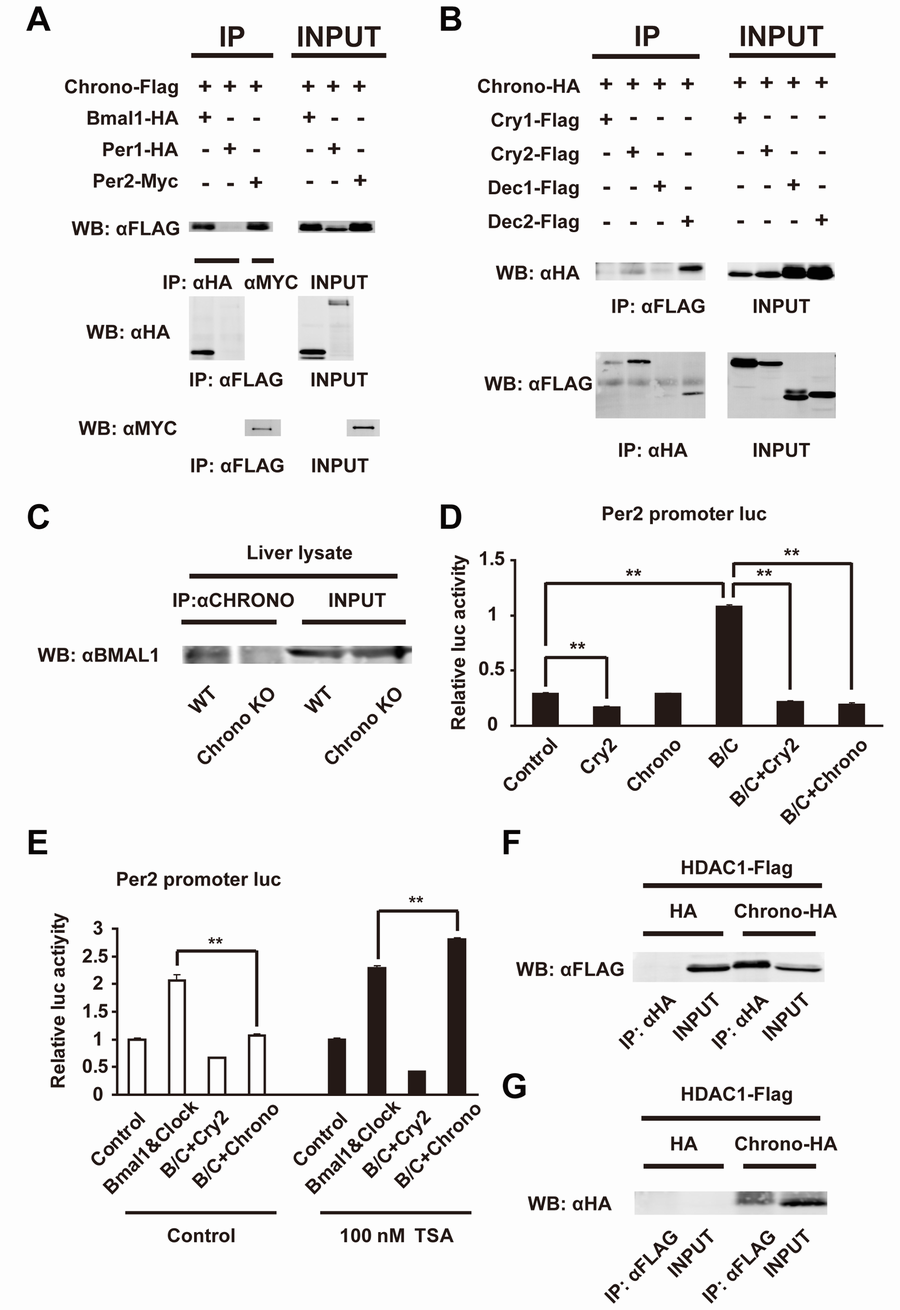
The circadian clock is influenced by exposure to light and dictates the wake-sleep cycle. At the cellular level, the clock is controlled by a complex network of genes and proteins that switch each other on and off based on cues from their environment and most genes involved in the regulation of the circadian clock have been characterized, but a key component was missing in mammals. 

In a new study, a team performed a genome-wide chromatin immunoprecipitation analysis for genes that were the target of BMAL1, a core clock component that binds to many other clock genes, regulating their transcription. 

Young adults who used marijuana recreationally show significant abnormalities in two key brain regions that are important in emotion and motivation, according to a study in the Journal of Neuroscience.

The authors document how casual use of marijuana is related to major brain changes and showed the degree of brain abnormalities in these regions is directly related to the number of joints a person smoked per week. The more joints a person smoked, the more abnormal the shape, volume and density of the brain regions.