Banner
Here's Where Your Backyard Was 300 Million Years Ago

We may use terms like "grounded" and terra firma to mean stability and consistency but geology...

Convergent Evolution Cheat Sheet Now 120 Million Years Old

One tenet of natural selection is a random walk of genes but nature may be more predictable than...

Synchrotron Could Shed Light On Exotic Dark Photons

There are many hypothetical particles proposed to explain dark matter and one idea to explore how...

The Pain Scale Is Broken But This May Fix It

Chronic pain is reported by over 20 percent of the global population but there is no scientific...

User picture.
News StaffRSS Feed of this column.

News Releases From All Over The World, Right To You... Read More »

Blogroll

 There are various efforts to try and spur more equality among genders in certain fields. Companies say they don't care about gender - and they don't, unless government forces them to hire people to fill in boxes on government forms.  They say they just want the best people and they can't hire people who don't show an interest in working there. Gender activists say the task falls to companies to change how they approach potential hires, an idea which doesn't please anyone except gender activists.

Sometimes errors happen, sometimes fraud happens. Sometimes methodology is suspect.

Andalusian researchers, led by the University of Granada, have discovered a curious characteristic of the members of the human lineage, classed as the genus Homo: they are the only primates where, throughout their 2.5-million year history, the size of their teeth has decreased alongside the increase in their brain size.

The key to this phenomenon, which scientists call "evolutionary paradox", could be in how Homo's diet has evolved. Digestion starts first in the mouth and, so, teeth are essential in breaking food down into smaller pieces. Therefore, the normal scenario would be that, if the brain grows in size, and, hence, the body's metabolic needs, so should teeth.

The centimeter-sized fragments and smaller particles that make up the regolith — the layer of loose, unconsolidated rock and dust — of small asteroids is formed by temperature cycling that breaks down rock in a process called thermal fatigue, according to a paper in Nature.

Like everything else in science and medicine, there is modern controversy about circumcision. In the United States the rate of circumcision is around 81%.

A paper in Mayo Clinic Proceedings finds that the benefits of infant male circumcision to health exceed the risks by over 100 to 1. Brian Morris, Professor Emeritus in the School of Medical Sciences at the University of Sydney and his colleagues in Florida and Minnesota found that over their lifetime half of uncircumcised males will contract an adverse medical condition caused by their foreskin. The findings add considerable weight to the latest American Academy of Pediatrics policy that supports education and access for infant male circumcision.


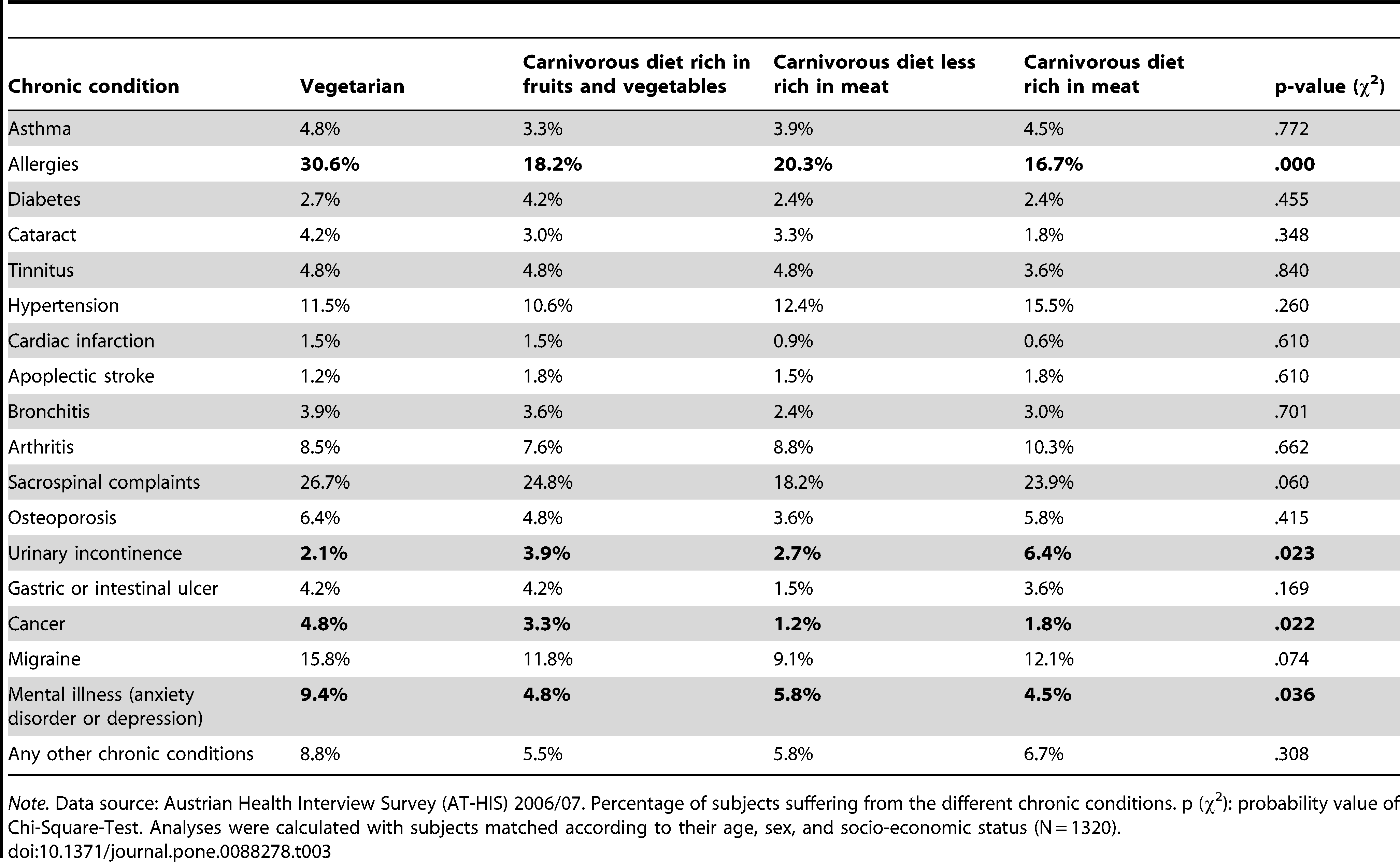
Population-based studies have consistently shown that our diet has an influence on health - a diet rich in fruits and vegetables is recommended.

But some people go overboard and just eat meat. Or just eat vegetables. Evidence for health benefits of exclusive diets is scant. Vegetarians are considered healthier, they are wealthier, they are more liberal, they drink less alcohol and they smoke less - but those are a lot of variables in health that don't necessarily result from being a vegetarian.