Banner
Convergent Evolution Cheat Sheet Now 120 Million Years Old

One tenet of natural selection is a random walk of genes but nature may be more predictable than...

Synchrotron Could Shed Light On Exotic Dark Photons

There are many hypothetical particles proposed to explain dark matter and one idea to explore how...

The Pain Scale Is Broken But This May Fix It

Chronic pain is reported by over 20 percent of the global population but there is no scientific...
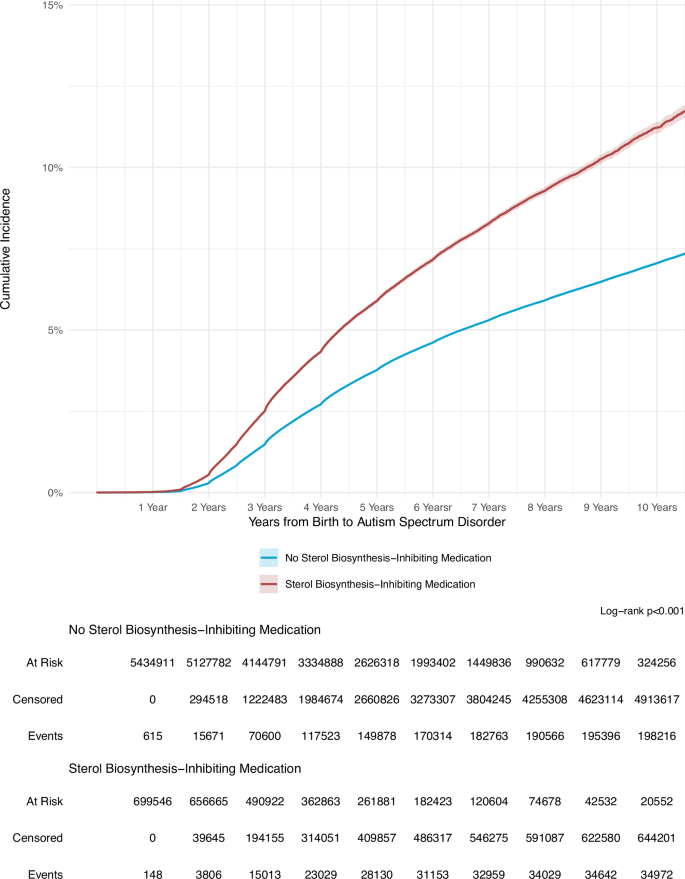
Study Links Antidepressants, Beta-blockers and Statins To Increased Autism Risk

An analysis of 6.14 million maternal-child health records  has linked prescription medications...

User picture.
News StaffRSS Feed of this column.

News Releases From All Over The World, Right To You... Read More »

Blogroll

Socially stigmatized groups have poorer health than non-stigmatized groups, but a team of researchers believes that more emphasis on two-way and multidisciplinary interventions will have a greater and more successful impact on relieving many health issues.

"We took an interdisciplinary approach to understanding how to reduce health disparities due to the effects of social stigma, including stigmas based on race, sexual orientation and chronic illness," said Jonathan Cook, assistant professor of psychology, Penn State.

Stigma results when a negative stereotype becomes attached to a particular characteristic in societal consciousness. People with this specific characteristic come to be seen as lower in status than others and therefore separate.

If you as a farmer have a choice between growing food that can feed lots of people or diverse food that can feed only a few, the answer will be obvious.

As science has discovered that certain varietals will have better yields, it is no surprise that people want to adopt them. Food security, and meeting other basic needs, allows people to pursue wealth, both the economic and cultural kind.

Just how many species existed of the extinct New Zealand moa? The status for extinct moa (Aves: Dinornithiformes) from the genus Euryapteryx isn't as clear cut as it might seem. 

Dr. Leon Huynen, lead author of a new paper said the challenges of understanding extinct fauna can be formidable and particularly so when it comes to this ancient bird. "Despite more than 100 years of research being devoted to the issue, determining species status is challenging, especially where there is an absence of substantial morphological, physiological, and behavioral data.

When it comes to demographics and society, no one likes surveys and statistics that make them look less positive. Yet surveys and statistics are all we have to go by in order to know if people are treating each other the way they expect to be treated in turn.

In society, there is a belief that women will be more cooperative than men. In academia, that is not the case, according to a paper in Current Biology. Instead, women in academia are less likely to cooperate than men.

The findings are based on an analysis of the publication records of professors working at 50 North American universities.And the lack of cooperation is most evident in an area where women overwhelmingly dominate - psychology.

Nature is always looking for new ways to stay ahead. To-date, resistance to pesticides has been recorded in more than 500 insects, 218 weeds, and 190 fungi that attack plants.

The recorded cases of resistance in insects, mites and other arthropods, which include resistance to multiple pesticides per species, more than doubled between 1990 and 2013, from 5,141 to 11,254.

How will a new glossary help? The authors of updated definitions in the Journal of Economic Entomology say a common vocabulary is needed because the current jumble of terms fosters confusion among scientists in academia, industry and government.  

ROCHESTER, Minn — Feb. 3, 2014 — A new Mayo Clinic study found that among middle-aged men and women, 40 to 60 years old, the overall incidence of skin cancer increased nearly eightfold between 1970 and 2009, according to a study published in the January issue of Mayo Clinic Proceedings.

"The most striking finding was among women in that age group," says dermatologist Jerry Brewer, M.D., principal investigator of the study. "Women between 40 and 50 showed the highest rates of increase we've seen in any group so far."