

Banner
Synchrotron Could Shed Light On Exotic Dark Photons

There are many hypothetical particles proposed to explain dark matter and one idea to explore how...

The Pain Scale Is Broken But This May Fix It

Chronic pain is reported by over 20 percent of the global population but there is no scientific...
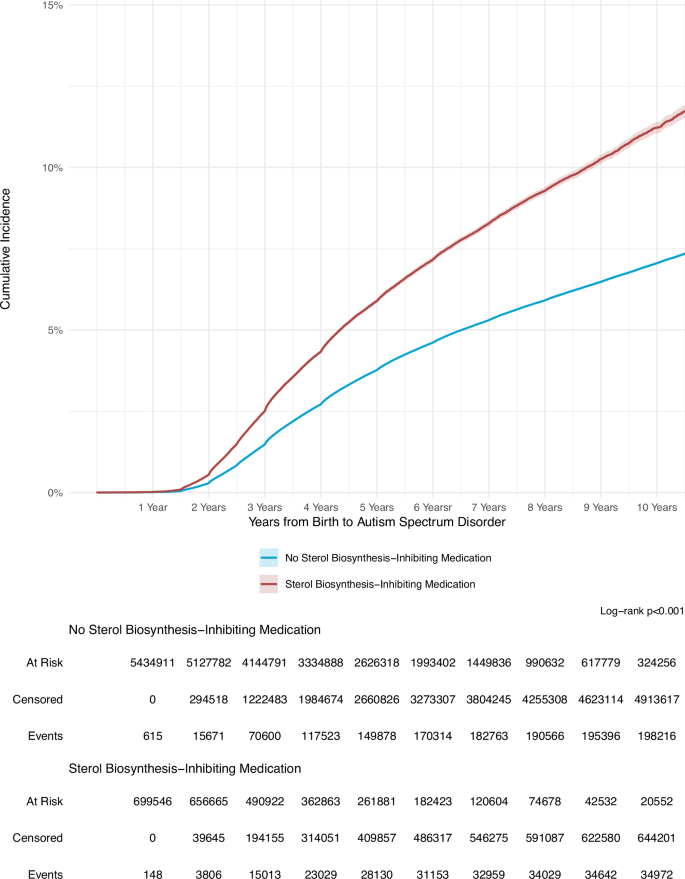
Study Links Antidepressants, Beta-blockers and Statins To Increased Autism Risk

An analysis of 6.14 million maternal-child health records  has linked prescription medications...

Pilot Study: Fibromyalgia Fatigue Improved By TENS Therapy

Fibromyalgia is the term for a poorly-understood condition where people experience pain and fatigue...

User picture.
News StaffRSS Feed of this column.

News Releases From All Over The World, Right To You... Read More »

Blogroll

Australian researchers have shed more light on an underexplored aspect of the important brain-signaling system that controls appetite, body composition and energy use. Their findings suggest that a specific gene regulating our body clock may play a central role in determining how fat we become.

Evolution has preserved the 'neuropeptide Y (NPY) system', as it is known, in most species – indicating its importance – and much of our understanding comes from studying it in mice. There is one important difference, however, between the NPY system in mouse and man.

In man, the neurotransmitter NPY communicates with four well-known 'cell surface receptors' in the brain (Y1, Y2, Y4 and Y5), which in turn trigger the system's effects.

In adults, some brain regions retain a "childlike" ability to establish new connections, potentially contributing to our ability to learn new skills and form new memories as we age, according to new research from Washington University School of Medicine in St. Louis and the Allen Institute for Brain Science in Seattle.

The scientists arrived at the new findings by comparing gene activity levels in different regions of the brain. They identified adult brain regions where genes linked to the construction of new connections between cells have higher activity levels. The same genes are also highly active in young brains, so the researchers called this pattern of gene activity childlike.

Human factors/ergonomics researchers have long studied the connection between cognitive function and the ability to perform well on multiple simultaneous tasks, and recently a group of neuroergonomics researchers went a step further to examine a genetic link to multitasking ability. Neuroergonomics is the study of the brain in relation to performance.

UT Arlington researchers focusing on the Amazon recently found that widespread conversion from rainforest to pastureland has significant effects on microorganism communities that may lead to a reduction in the region's role as a reservoir for greenhouse gas.

The Amazon rainforest is the largest terrestrial reservoir or "sink" for carbon dioxide, a gas that has been linked to climate change. Through photosynthesis, the Amazon absorbs 1.5 billion tons of carbon dioxide from the atmosphere every year in a process that requires input of nitrogen.

Breast cancer runs in families; however, genetic predisposition (such as being BRCA1 or BRCA2 mutation carriers) explains only a portion of this observation. Epigenetic changes (modifications in the genome that alter gene expression but do not affect the DNA sequence per se) have been shown to also play a role in breast cancer risk.

The gene that has provided spring barley with resistance to powdery mildew for over 30 years increases susceptibility to newly-important disease Ramularia leaf spot.

Scientists confirm the trade-off in a paper published in the Journal of Experimental Botany. Since 1980, the mlo gene has transformed mildew from the most important disease of barley to an occasional nuisance in wetter areas of the UK.

"Having suspected that one of the most successful and widely-used resistances to an important crop disease has the detrimental effect of increasing susceptibility to another, we took a closer look," says Professor James Brown from the John Innes Centre.

