

Banner
Synchrotron Could Shed Light On Exotic Dark Photons

There are many hypothetical particles proposed to explain dark matter and one idea to explore how...

The Pain Scale Is Broken But This May Fix It

Chronic pain is reported by over 20 percent of the global population but there is no scientific...
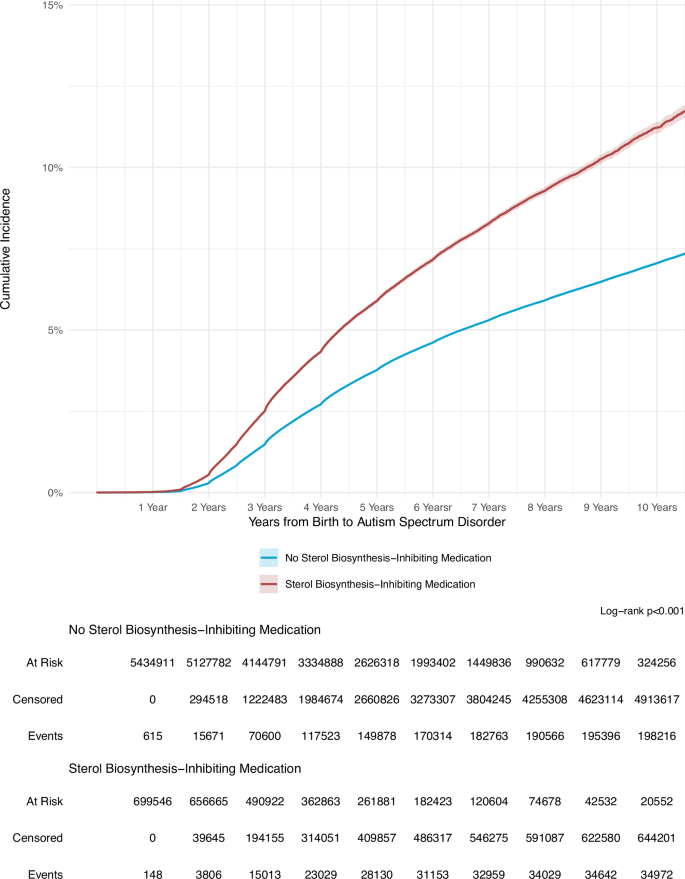
Study Links Antidepressants, Beta-blockers and Statins To Increased Autism Risk

An analysis of 6.14 million maternal-child health records  has linked prescription medications...

Pilot Study: Fibromyalgia Fatigue Improved By TENS Therapy

Fibromyalgia is the term for a poorly-understood condition where people experience pain and fatigue...

User picture.
News StaffRSS Feed of this column.

News Releases From All Over The World, Right To You... Read More »

Blogroll

Juggling may seem like mere entertainment, but a study led by Johns Hopkins engineers used this circus skill to gather critical clues about how vision and the sense of touch help control the way humans and animals move their limbs in a repetitive way, such as in running. The findings eventually may aid in the treatment of people with neurological diseases and could lead to prosthetic limbs and robots that move more efficiently.

The study was published online recently by the Journal of Neurophysiology and will be the cover article in the journal's March 2014 print edition.

Recent research has shown an alarming number of peer-reviewed papers are irreproducible and it isn't just social sciences surveys or weak observational studies. It's in fields like biology.

This news release is available in German.

Wetlands, including peatlands, have a high content of humic substances, which are organic compounds that form during incomplete decomposition of biomass. Under anoxic conditions, soil bacteria can use these organic compounds during respiration as electron acceptors. Many organisms (including us humans) instead use oxygen as the electron acceptor.

A new University of Virginia psychology study has found that a sample of mostly white American children – as young as 7, and particularly by age 10 – report that black children feel less pain than white children.

The study, which builds on previous research on bias among adults involving pain perception, is published in the Feb. 28 issue of the British Journal of Developmental Psychology.

"Our research shows that a potentially very harmful bias in adults emerges during middle childhood, and appears to develop across childhood," said the study's lead investigator, Rebecca Dore, a Ph.D. candidate in developmental psychology at U.Va.

Atlantic salmon production could be boosted by a new technology that will help select the best fish for breeding.

The development will enable salmon breeders to improve the quality of their stock and its resistance to disease.

A chip loaded with hundreds of thousands of pieces of DNA – each holding a fragment of the salmon's genetic code – will allow breeders to detect fish with the best genes.

It does so by detecting variations in the genetic code of each individual fish – known as single nucleotide polymorphisms (SNPs). These variations make it possible to identify genes that are linked to desirable physical traits, such as growth or resistance to problematic diseases, for example sea lice infestations.

This news release is available in German.

Spinach looks nothing like parsley, and basil bears no resemblance to thyme. Each plant has a typical leaf shape that can differ even within the same family. The information about what shape leaves will be is stored in the DNA. According to researchers at the Max Planck Institute for Plant Breeding Research in Cologne, the hairy bittercress (Cardamine hirsuta) has a particular gene to thank for its dissected leaves. This homeobox gene inhibits cell proliferation and growth between leaflets, allowing them to separate from each other. The thale cress Arabidopsis thaliana does not have this gene. Therefore, its leaves are not dissected, but simple and entire.


