

Banner
Synchrotron Could Shed Light On Exotic Dark Photons

There are many hypothetical particles proposed to explain dark matter and one idea to explore how...

The Pain Scale Is Broken But This May Fix It

Chronic pain is reported by over 20 percent of the global population but there is no scientific...
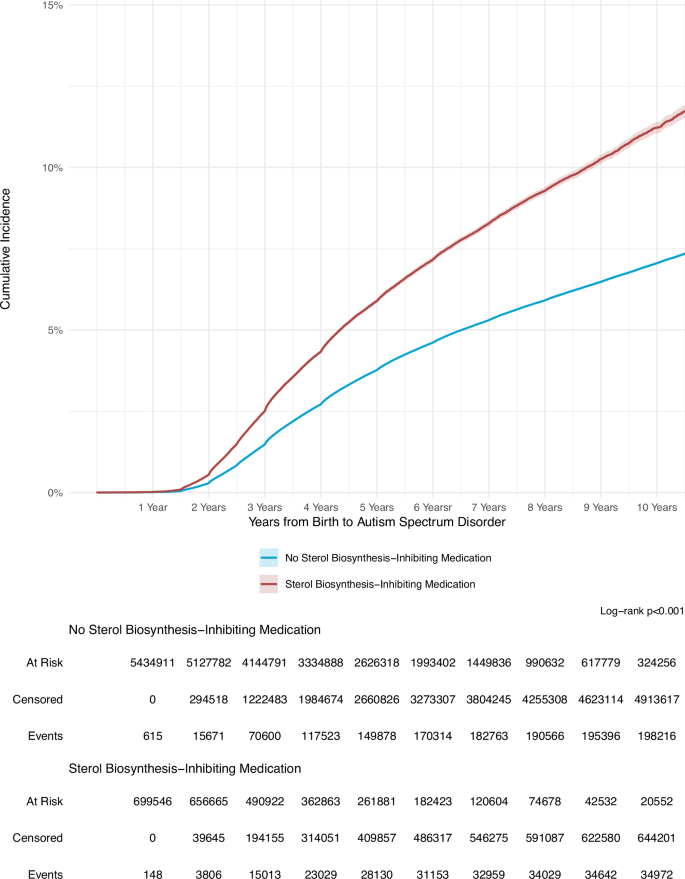
Study Links Antidepressants, Beta-blockers and Statins To Increased Autism Risk

An analysis of 6.14 million maternal-child health records  has linked prescription medications...

Pilot Study: Fibromyalgia Fatigue Improved By TENS Therapy

Fibromyalgia is the term for a poorly-understood condition where people experience pain and fatigue...

User picture.
News StaffRSS Feed of this column.

News Releases From All Over The World, Right To You... Read More »

Blogroll

MAYWOOD, IL – New insights into the physiological causes of depression are leading to treatments beyond common antidepressants such as Prozac and Zoloft, researchers are reporting in the in the journal Current Psychiatry.

Depression treatments on the horizon include new medications, electrical and magnetic stimulation of the brain and long-term cognitive behavioral therapy for stress management.

Authors are Murali Rao, MD, and Julie M. Alderson, DO. Rao is professor and chair of the Department of Psychiatry and Behavioral Neurosciences at Loyola University Chicago Stritch School of Medicine, and Alderson is a resident at East Liverpool City Hospital in East Liverpool, Ohio.

PHILADELPHIA – Eating foods that contain vitamin C may reduce your risk of the most common type of hemorrhagic stroke, according to a study released today that will be presented at the American Academy of Neurology's 66th Annual Meeting in Philadelphia, April 26 to May 3, 2014.

Vitamin C is found in fruits and vegetables such as oranges, papaya, peppers, broccoli and strawberries. Hemorrhagic stroke is less common than ischemic stroke, but is more often deadly.

Crohn's disease, a type of inflammatory bowel disease, is a condition that occurs when your body's immune system mistakenly attacks and destroys healthy body tissue. The exact cause of Crohn's disease is unknown.  

A new report in the Journal of Leukocyte Biology shows for the first time precisely what type of immune cells are involved in driving the inflammation process in the disease. With this knowledge, new compounds can be identified which reduce the activity of these cells or lessen their inflammatory effects. 

Astronomers studying nearby galaxy M83 have found a new super-powered small black hole, named MQ1.

M83, the iconic Southern-sky galaxy, is being mapped with the Hubble Space and Magellan telescopes (detecting visible light), the Chandra X-ray Observatory (detecting light in X-ray frequencies), the Australia Telescope Compact Array and the Very Large Array (detecting radio waves).

Astronomers have found a few compact objects that are as powerful as MQ1, but have not been able to work out the size of the black hole contained within them until now.  The team observed the MQ1 system with multiple telescopes and discovered that it is a standard-sized small black hole, rather than a slightly bigger version that was hypothesized to account for all its power.

We often think of the migration of Asians into America as a event that occurred when the Bering Sea was lower: They basically went over the land bridge that existed, from one part to another.

Genetic and environmental evidence indicates instead that it was instead a conservative process and that they spent 10,000 years in shrubby lowlands on the broad land bridge that once linked Siberia and Alaska. 

University of Utah anthropologist Dennis O'Rourke and colleagues seek to reconcile existing genetic and environmental evidence for human habitation on the Bering land bridge – also called Beringia – with an absence of archaeological evidence.

Nobel laureate James D. Watson, the co-discoverer of the double-helix structure of DNA, has published a hypothesis on the causation of type 2 diabetes - that diabetes, dementias, cardiovascular disease, and some cancers are linked to a failure to generate sufficient biological oxidants, called reactive oxygen species (ROS).

Watson does not question that pancreatic tissue in people with type 2 diabetes is indeed inflamed. But he does present a novel theory of why. "The fundamental cause, I suggest, is a lack of biological oxidants, not an excess. The prevalent view of type 2 diabetes is that an excess of intracellular oxidation causes inflammation, which in turn kills cells in pancreatic tissue."



