

Banner
Synchrotron Could Shed Light On Exotic Dark Photons

There are many hypothetical particles proposed to explain dark matter and one idea to explore how...

The Pain Scale Is Broken But This May Fix It

Chronic pain is reported by over 20 percent of the global population but there is no scientific...
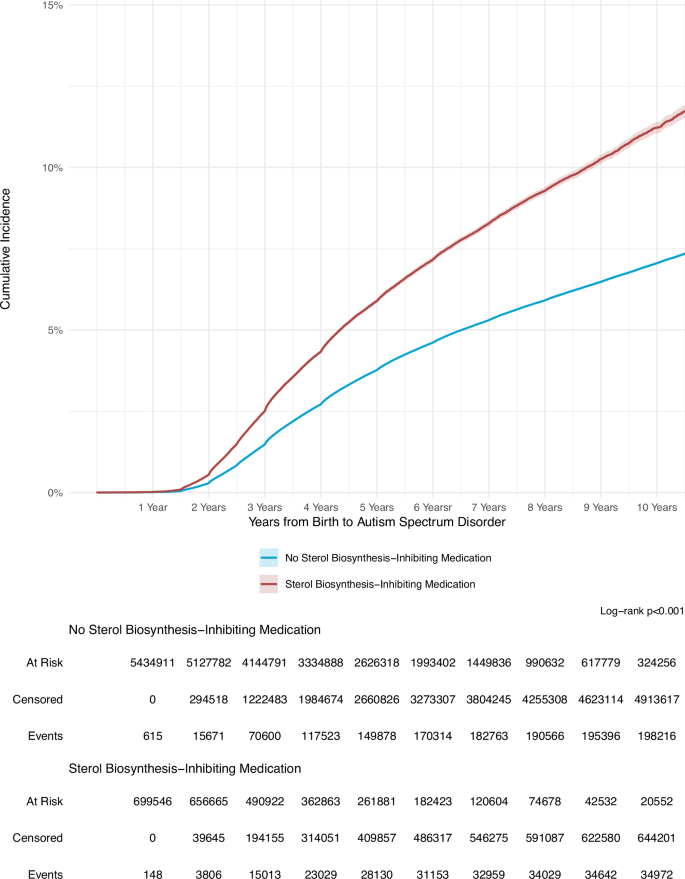
Study Links Antidepressants, Beta-blockers and Statins To Increased Autism Risk

An analysis of 6.14 million maternal-child health records  has linked prescription medications...

Pilot Study: Fibromyalgia Fatigue Improved By TENS Therapy

Fibromyalgia is the term for a poorly-understood condition where people experience pain and fatigue...

User picture.
News StaffRSS Feed of this column.

News Releases From All Over The World, Right To You... Read More »

Blogroll

Congenital heart disease is the most common form of birth defect, affecting one out of every 125 babies, according to the National Institutes of Health.

Researchers from the University of Missouri recently found success using chemical compound 
PHPS1
to treat laboratory mice with one form of congenital heart disease, hypertrophic cardiomyopathy — a weakening of the heart caused by abnormally thick muscle.

By suppressing a faulty protein, the researchers reduced the thickness of the mice's heart muscles and improved their cardiac functioning.

Bisphenol A (BPA) has been used for decades in a wide variety of consumer products, like metal food and beverage containers, thermal paper store receipts, and dental composites.

Though the FDA has found BPA safe after numerous studies, because it can exhibit hormone-like properties the public has grown concerned about conflicting claims. There have been studies that have found exposure of rodent fetuses, infants, children or adults can cause cause abnormalities, including cancer, as well as reproductive, immune and brain-behavior problems. 

Researchers at the University of Missouri are now saying that daily exposure to very low concentrations of BPA by pregnant females can cause fetal abnormalities in primates.

The notion of environmental "footprinting" as a way to represent the impact of human activity on the planet's environment has become a veritable industry over the last two decades.

Since the concept first gained popularity in the 1990s — when it was introduced by researchers William E. Rees and Mathis Wackernagel — footprinting has been used to explain a range of complicated phenomena as a single metric, spawning carbon footprints, water footprints, and various other indicators to communicate the carrying capacity of Earth.

WASHINGTON, Feb. 18, 2014—For futuristic applications like wearable body sensors and robotic skin, researchers need to ferry information along flexible routes. Electronics that bend and stretch have become possible in recent years, but similar work in the field of optics – communicating with light instead of electrons – has lagged behind. Particularly difficult to engineer have been optics that stretch, lengthening when someone wearing body sensors bends to tie their shoe, or when a robotic arm twists through a full range of motion.

A team of researchers at Chalmers University of Technology has found that kidney cancer cells have a quite different metabolism than other types of malignancies. The findings pave the way for new methods of diagnosing kidney cancer at an early stage, a feat that had eluded researchers earlier, and thereby fresh approaches to treatment.

Cancer is a result of mutations in the genes of healthy cells. The transition to cancer cells involves a fundamental transformation of their metabolism, the way that they use nourishment and energy. The uninhibited growth of cancer cells is based on their particular metabolism.

A pre-clinical study led by Virginia Commonwealth University Massey Cancer Center and Department of Internal Medicine researchers suggests that an experimental drug known as dinaciclib could improve the effectiveness of certain multiple myeloma and myeloid leukemia therapies. The study, recently published in the journal Molecular Cancer Therapeutics, showed that dinaciclib disrupted a cell survival mechanism known as the unfolded protein response (UPR). Without the UPR, multiple myeloma and myeloid leukemia cells were unable to combat damage caused by some anti-cancer agents.



