

Banner
Synchrotron Could Shed Light On Exotic Dark Photons

There are many hypothetical particles proposed to explain dark matter and one idea to explore how...

The Pain Scale Is Broken But This May Fix It

Chronic pain is reported by over 20 percent of the global population but there is no scientific...
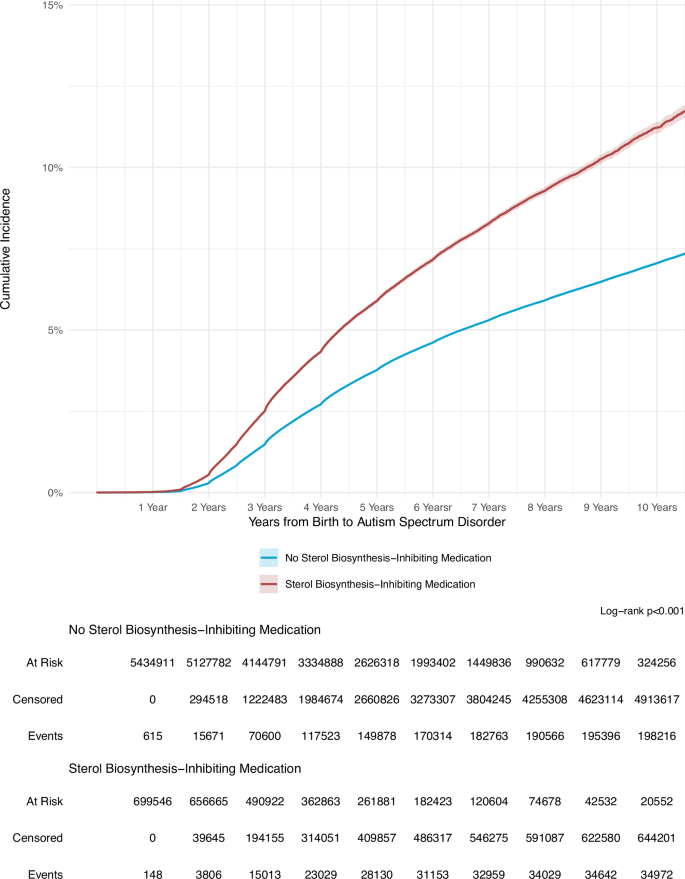
Study Links Antidepressants, Beta-blockers and Statins To Increased Autism Risk

An analysis of 6.14 million maternal-child health records  has linked prescription medications...

Pilot Study: Fibromyalgia Fatigue Improved By TENS Therapy

Fibromyalgia is the term for a poorly-understood condition where people experience pain and fatigue...

User picture.
News StaffRSS Feed of this column.

News Releases From All Over The World, Right To You... Read More »

Blogroll

The widespread loss of forest to sugarcane fields on the island of Mauritius has forced kestrels living there to survive by speeding up their life histories, according to a report published online on February 20 in the Cell Press journal Current Biology. By getting an earlier start, the birds are managing to have just as many offspring, even though they die sooner.

Those changes to the kestrels' life history are apparently driven entirely by their early life experiences, the researchers say.

JUPITER, FL, February 20, 2014 – The use of antibiotics is often considered among the most important advances in the treatment of human disease. Unfortunately, though, bacteria are finding ways to make a comeback. According to the Centers for Disease Control, more than two million people come down with antibiotic-resistant infections annually, and at least 23,000 die because their treatment can't stop the infection. In addition, the pipeline for new antibiotics has grown dangerously thin.

Now, a new study by scientists from the Florida campus of The Scripps Research Institute (TSRI) has uncovered a mechanism of drug resistance. This knowledge could have a major impact on the development of a pair of highly potent new antibiotic drug candidates.

University of Colorado Boulder scientists have found a creative way to radically improve thermoelectric materials, a finding that could one day lead to the development of improved solar panels, more energy-efficient cooling equipment, and even the creation of new devices that could turn the vast amounts of heat wasted at power plants into more electricity.

The technique—building an array of tiny pillars on top of a sheet of thermoelectric material—represents an entirely new way of attacking a century-old problem, said Mahmoud Hussein, an assistant professor of aerospace engineering sciences who pioneered the discovery.

ROCHESTER, Minn. — Feb. 20, 2014 — Researchers say the discovery of how sodium ions pass through the gill of a zebrafish may be a clue to understanding a key function in the human kidney. The findings from a collaboration between Mayo Clinic and the Tokyo Institute of Technology appear in the online issue of the American Journal of Physiology-Regulatory, Integrative and Comparative Physiology.

The researchers discovered a protein responsible for gas exchanges in the fish gill structure. Specifically they studied and characterized the Na+/H+ (sodium/hydrogen) exchanger named NHE3, responsible for controlling sodium and hydrogen ions across the gill. The researchers also directly demonstrated that NHE3 can function as a Na+/NH4+ (sodium/ammonium) exchanger.

It's not often that cancer research gets compared to gridlock traffic in New York City but it makes some sense. If we are driving from Florida, we might take I-95 to get there, but if we are driving from California, we would take I-80. It's a matter of circumstance and then some variables based on choice.

John McDonald, a professor in the School of Biology at the Georgia Institute of Technology in Atlanta
, says that cancers also have lots of routes to get to the same disease and that assessing the route to cancer on a case-by-case basis might make more sense than the way it is done now.

Magma sitting 4-5 kilometers beneath the surface of Oregon's Mount Hood has been stored in near-solid conditions for thousands of years but that doesn't mean it won't change rapidly. 

The time it takes to liquefy and potentially erupt is surprisingly short - perhaps as short as a few months.

The key seems to be elevation of the temperature of the rock to more than 750 degrees Celsius, which can happen when hot magma from deep within the Earth's crust rises to the surface. 

It was the mixing of hot liquid lava with cooler solid magma that triggered Mount Hood's last two eruptions about 220 and 1,500 years ago, said Adam Kent, an Oregon State University (OSU) geologist and co-author of a paper reporting the new findings.

