

Banner
Synchrotron Could Shed Light On Exotic Dark Photons

There are many hypothetical particles proposed to explain dark matter and one idea to explore how...

The Pain Scale Is Broken But This May Fix It

Chronic pain is reported by over 20 percent of the global population but there is no scientific...
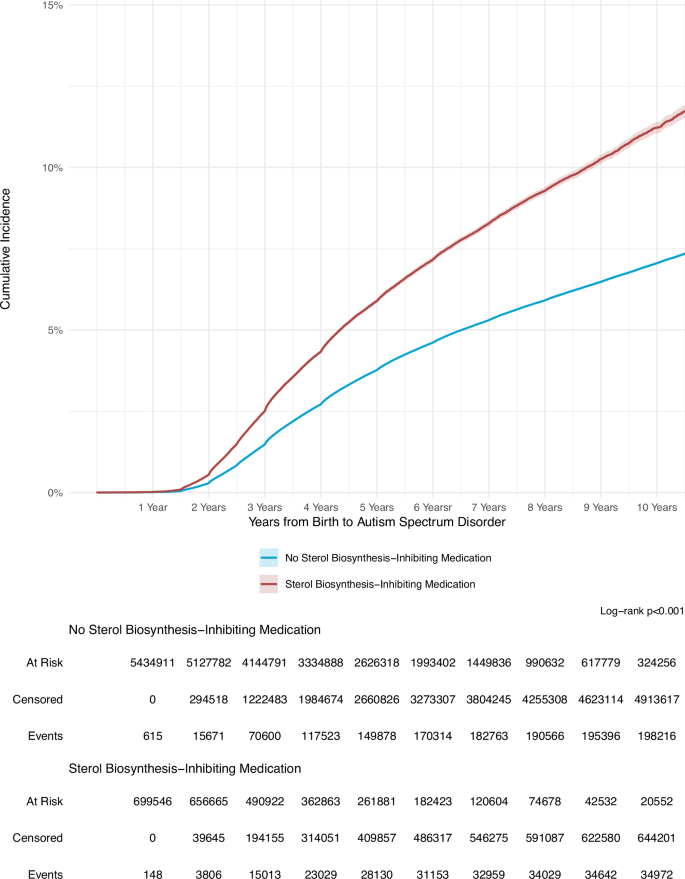
Study Links Antidepressants, Beta-blockers and Statins To Increased Autism Risk

An analysis of 6.14 million maternal-child health records  has linked prescription medications...

Pilot Study: Fibromyalgia Fatigue Improved By TENS Therapy

Fibromyalgia is the term for a poorly-understood condition where people experience pain and fatigue...

User picture.
News StaffRSS Feed of this column.

News Releases From All Over The World, Right To You... Read More »

Blogroll

A new study has found that several types of aquatic algae can detect orange, green and blue light.

Land plants have receptors to detect the common visual optical wavelengths in the air, light on the red and far red of the spectrum. That allows them to sense the light and move and grow as their environment changes, such as when another plant shades them from the sun.

But the ocean is a different environment. Water absorbs red wavelengths and reflects colors such as blue and green. As part of the study, and the team sequenced about 20 different marine algae and found they were capable of detecting not only red light, but also many other colors. 

Long after gluten-free, low-fat and tapeworm diets have been consigned to the dustbin of quaint health fad history, vegetarians will still insist their way of is better.

In at least one way, they may be right. It's one of the few dietary choices that has a long enough history for real data to exist, and an analysis of seven clinical trials and 32 studies published from 1900 to 2013 in which participants ate a vegetarian diet, and in which differences in blood pressure (BP) associated with eating a vegetarian diet were measured, found that eating a vegetarian diet was associated with a reduction in the average systolic (peak artery pressure) and diastolic (minimum artery pressure) BP compared with eating an omnivorous (plant and animal) diet.
If you were pregnant, did you ever take a Tylenol?

If not, you have unreal levels of tolerance for discomfort but if you did, and you think your child is hyperactive, a new study may have some answers. Not 'why' answers, just a 'perhaps' answer. But look for mainstream media to declare that Tylenol causes attention-deficit/hyperactivity disorder (ADHD) in kids.
Anyone who has had to deal with Hospice for a loved one has to been impressed with the level of compassion and concern and caring they bring.

But they are not all the same, and a paper in JAMA Internal Medicine finds a way to create a little bit of class warfare about that.

Eating is a biological necessity that became a communal activity. If you have gotten used to eating popcorn at the movies with your family, you either have to avoid going to the movies or have the willpower to say no to the popcorn.

Not everyone can do it. The presence of friends, late night cravings or alcohol can make dieting difficult too. Research led by University of Birmingham sport and exercise scholar Heather McKee monitored the social and environmental factors that make people, who are following weight management programs, cheat. 

Researchers say they have cleared up one aspect of how our bowels move that has mystified scientists for, well, forever. 

It isn't all unknown. Segmentation motor activity in the gut that enables absorption of nutrients was described in the late 1800s. But now gastroenterologist Jan Huizinga and a team have learned that of the two types of movement, segmentation motion occurs when not one but two sets of pacemakers interact with each other to create a specific rhythm.

They then work together with nerves and muscle to generate the movement that allows for nutrient absorption. The other type of movement moves the food along.






