Banner
Synchrotron Could Shed Light On Exotic Dark Photons

There are many hypothetical particles proposed to explain dark matter and one idea to explore how...

The Pain Scale Is Broken But This May Fix It

Chronic pain is reported by over 20 percent of the global population but there is no scientific...
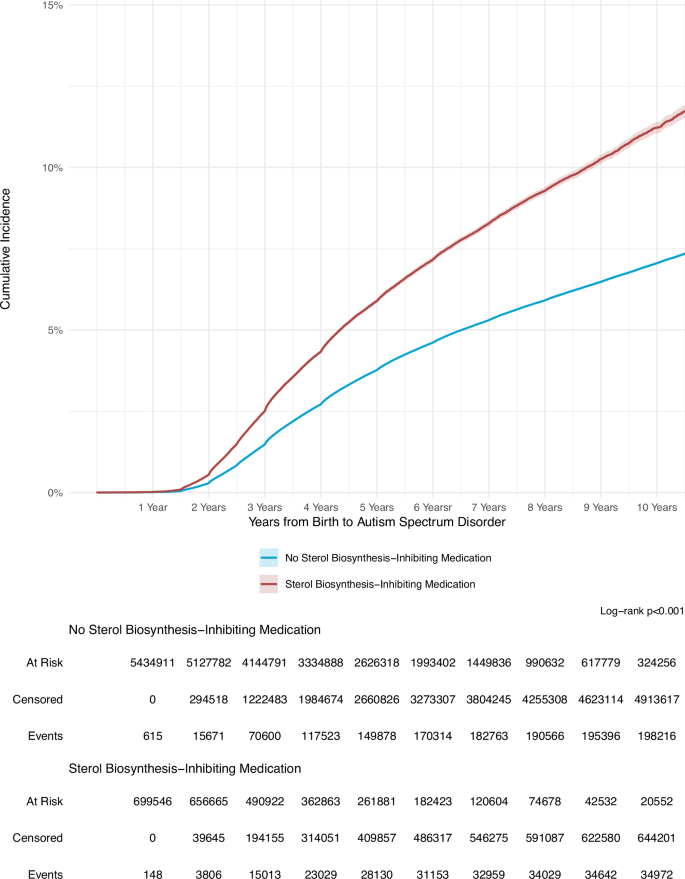
Study Links Antidepressants, Beta-blockers and Statins To Increased Autism Risk

An analysis of 6.14 million maternal-child health records  has linked prescription medications...

Pilot Study: Fibromyalgia Fatigue Improved By TENS Therapy

Fibromyalgia is the term for a poorly-understood condition where people experience pain and fatigue...

User picture.
News StaffRSS Feed of this column.

News Releases From All Over The World, Right To You... Read More »

Blogroll

Periodontal disease occurs in 13 percent of humans today. Why are humans even susceptible to periodontal disease, when most animals do not get periodontal disease? Is it human behavior or something else that contributes to chronic inflammatory disease in humans?

It can't be modern living or dental hygiene. The inflammatory disease-causing bacteria has been found in a Medieval German population, by analyzing the dental calculus - plaque - from teeth preserved for 1,000 years.

The Byzantine Empire arose after the death of the Roman Emperor Constantine. To make the empire more manageable, it was split into eastern and western halves, with Rome as the seat of the west and Constantinople as the capitol of the east. Unlike Rome of the time, the Byzantine Empire coupled military might and the religious authority of the Church.

When the Roman Empire collapsed and led Europe into the Dark Ages, the Byzantine Empire continued on and it continued to modernize. You don't last for a thousand years, including holding off Muslim invaders for much of that time, without doing some things right. They finally collapsed in 1453, when Constantinople was captured by Turks. It is known as Istanbul today.
A new study finds that bacterial movement is impeded in flowing water, enhancing the likelihood that the microbes will attach to surfaces, which sheds some new light on how infections take hold in medical devices.

The findings were the result of microscopic analysis of bacteria inside microfluidic devices and combined experimental observations with mathematical modeling. The study showed that the flow of liquid can have two significant effects on microbes: “It quenches the ability of microbes to chase food,” says co-author Roman Stocker, an assitant professor of civil engineering at MIT, “and it helps microbes find surfaces.”

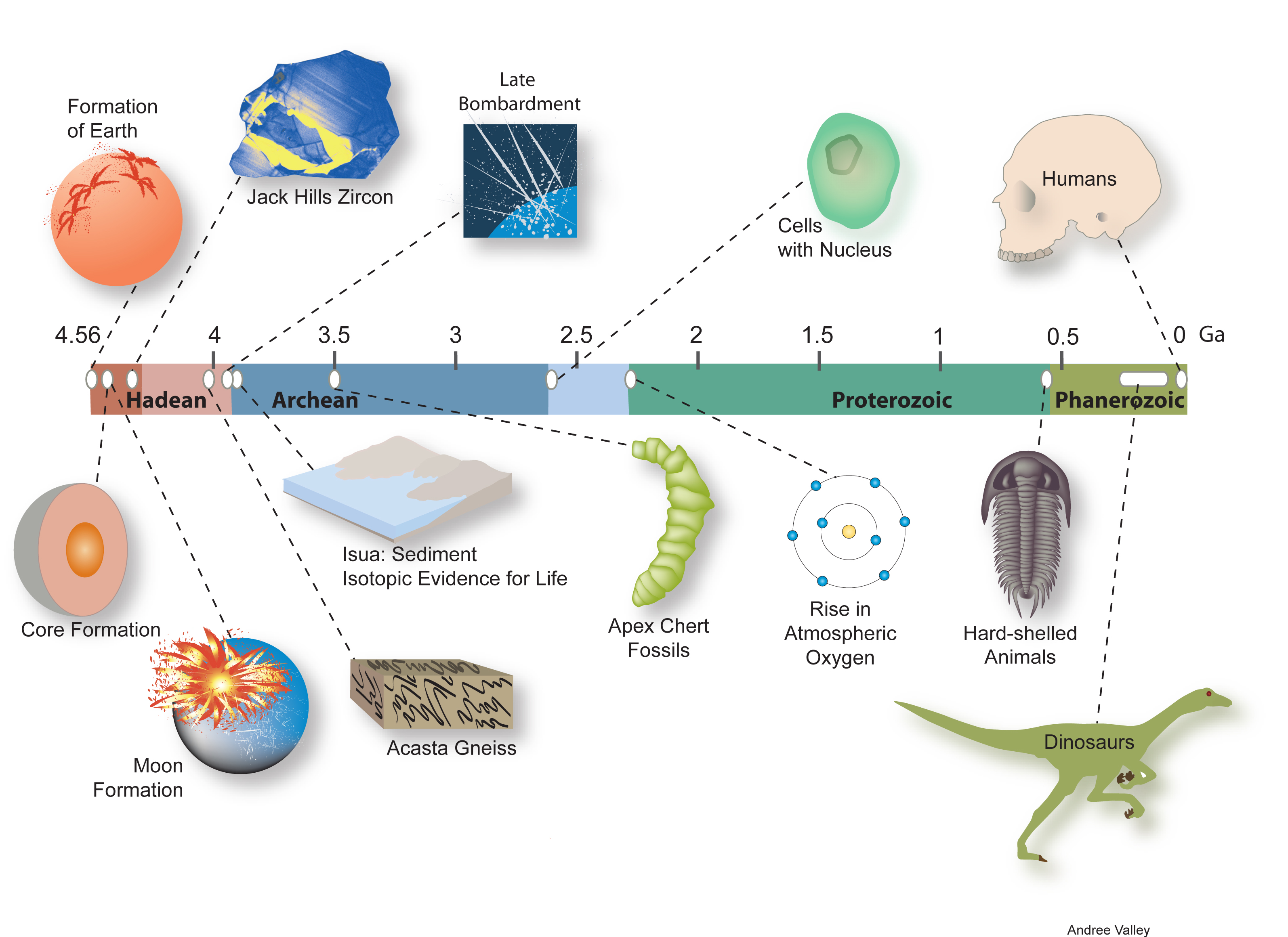
Zircon crystals from Western Australia's Jack Hills region crystallized 4.4 billion years ago, building on earlier studies that used lead isotopes to date Australian zircons and identify them as the oldest bits of the Earth's crust. The microscopic zircon crystal is now confirmed to be the oldest known material of any kind formed on Earth. 

A new study strengthens the theory of a "cool early Earth," where temperatures were low enough for liquid water, oceans and a hydrosphere not long after the planet's crust congealed from a sea of molten rock. The study reinforces the belief that Earth had a hydrosphere before 4.3 billion years ago and possibly life not long afte.

The upside to global warming might be milder winters. This would naturally lead to fewer deaths to due cold but an analysis of data from the past 60 years shows that is not likely.

Polio is an incurable, crippling, contagious and possibly fatal viral disease. The United States last experienced a polio epidemic in the 1950s, before a vaccine was introduced. 

Today, it has been eradicated from most of the planet, but a polio-like syndrome has been found in a cluster of children from California over a one-year period, according to a case report released today.