Banner
Synchrotron Could Shed Light On Exotic Dark Photons

There are many hypothetical particles proposed to explain dark matter and one idea to explore how...

The Pain Scale Is Broken But This May Fix It

Chronic pain is reported by over 20 percent of the global population but there is no scientific...
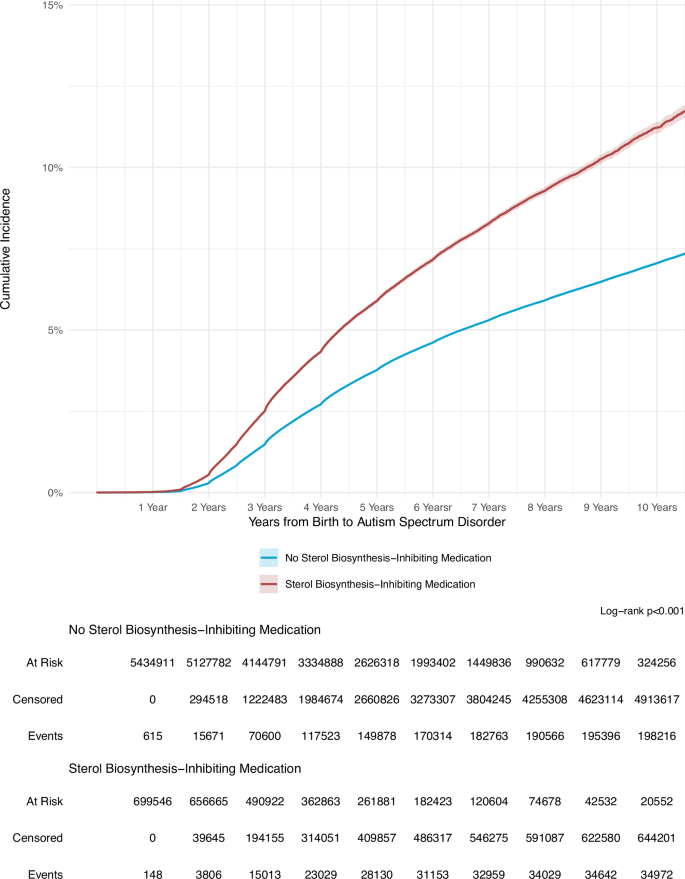
Study Links Antidepressants, Beta-blockers and Statins To Increased Autism Risk

An analysis of 6.14 million maternal-child health records  has linked prescription medications...

Pilot Study: Fibromyalgia Fatigue Improved By TENS Therapy

Fibromyalgia is the term for a poorly-understood condition where people experience pain and fatigue...

User picture.
News StaffRSS Feed of this column.

News Releases From All Over The World, Right To You... Read More »

Blogroll

Can diet give you a better memory?

It seems to, at least when it comes to an animal cognition test using lemurs. A study of five lemur species found that fruit-eatershad better spatial memory than lemurs with a more varied diet. The researchers conclude that relying on foods that are seasonally available and far-flung gives a competitive edge to individuals with certain cognitive abilities - such as remembering where the food is.

The Interface Region Imaging Spectrometer (IRIS) mission studies the chromosphere, that layer of the sun's atmosphere that is key to regulating the flow of energy and material as they travel from the sun's surface out into space.

Along the way, the energy heats up the upper atmosphere, the corona, and sometimes powers solar events such as this flare. IRIS is equipped with a spectrograph that can separate out the light it sees into its individual wavelengths, which in turn correlates to material at different temperatures, velocities and densities.

Rule breakers are often more creative, because they are not bound by conventional ideas. So are liars.

Yet one of those has a positive connotation and one is negative. But lying about performance on one task increased creativity on a subsequent task, by making people feel less bound by conventional rules, finds a paper in Psychological Science.

To examine the link between dishonesty and creativity,
lead researcher Francesca Gino of Harvard Business School
and colleague Scott Wiltermuth of the Marshall School of Business at the University of Southern California designed a series of experiments that allowed, and even sometimes encouraged, people to cheat.

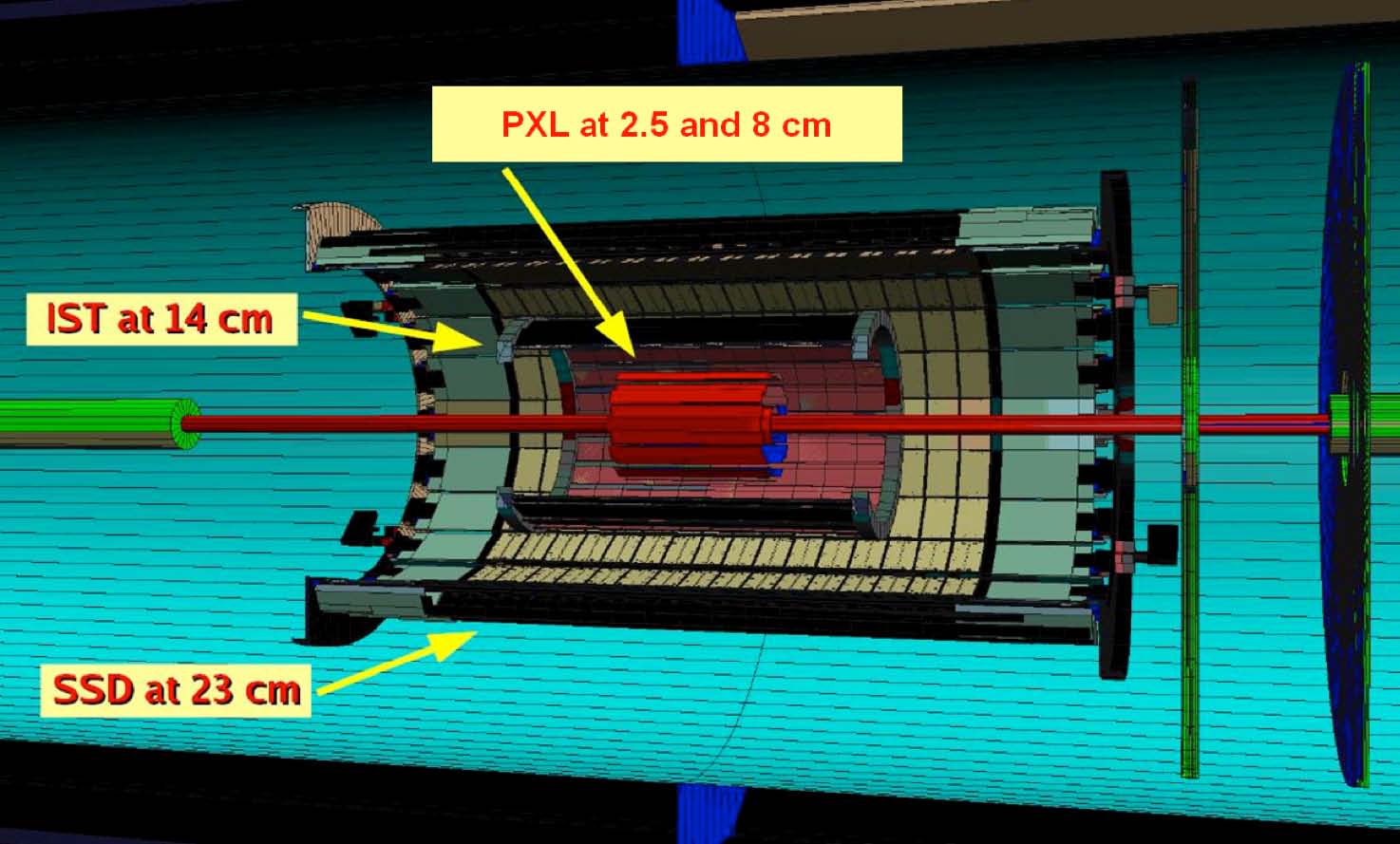
Microseconds after the big ban happened the universe was a superhot, superdense primordial soup of “quarks” and “gluons,” particles of matter and carriers of force.

The quark-gluon plasma cooled almost instantly but it set the stage for the universe we know today and to better understand how the universe evolved, a quark-gluon plasma is being reproduced in giant particle accelerators like the Relativistic Heavy Ion Collider (RHIC) at Brookhaven National Laboratory (BNL), where the Solenoidal Tracker at RHIC ("STAR") experiment has been collecting and analyzing data for the past decade.

In 2011, a tsunami hit Japan. While the damage to a nuclear power plant got all of the media attention, with activists claiming mutant pregnancies in California a short while later, the environmental damage caused by the tsunami itself should be more of a concern.

The amount of debris in the ocean is growing exponentially and the driftage generated by the 2011 tsunami gave scientists Nikolai Maximenko and Jan Hafner a unique chance to learn about the effects of the ocean and wind on floating materials as they move across the North Pacific Ocean. 

Are you worried you are losing your memory and wonder if you might have Alzheimer's coming?

You have a good chance of being correct. Self-reported memory complaints predict clinical memory impairment later in life rather well, according to a new paper. Erin Abner, Ph.D, an assistant professor at the University of Kentucky's Sanders-Brown Center on Aging, asked 3,701 men aged 60 and older a simple question: "Have you noticed any change in your memory since you last came in?" 

That answers told a rather accurate medical tale. "It seems that subjective memory complaint can be predictive of clinical memory impairment," Abner said. "Other epidemiologists have seen similar results, which is encouraging, since it means we might really be on to something."