

Banner
Synchrotron Could Shed Light On Exotic Dark Photons

There are many hypothetical particles proposed to explain dark matter and one idea to explore how...

The Pain Scale Is Broken But This May Fix It

Chronic pain is reported by over 20 percent of the global population but there is no scientific...
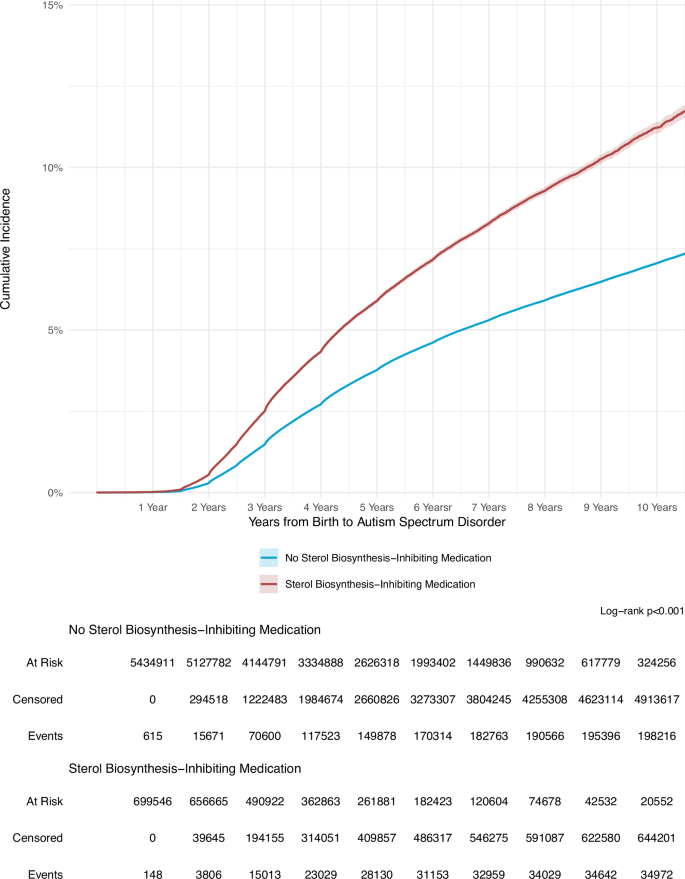
Study Links Antidepressants, Beta-blockers and Statins To Increased Autism Risk

An analysis of 6.14 million maternal-child health records  has linked prescription medications...

Pilot Study: Fibromyalgia Fatigue Improved By TENS Therapy

Fibromyalgia is the term for a poorly-understood condition where people experience pain and fatigue...

User picture.
News StaffRSS Feed of this column.

News Releases From All Over The World, Right To You... Read More »

Blogroll

A common space weather phenomenon on the outskirts of Earth's magnetic bubble, the magnetosphere, has a much different effect on Venus.

 The giant explosions, called hot flow anomalies, can be so large at Venus that they're bigger than the entire planet - and they can happen multiple times a day. 
Earth is protected from the constant streaming solar wind of radiation by its magnetosphere.

Venus, on the other hand, is a barren, inhospitable planet, with an atmosphere so dense that spacecraft landing there are crushed within hours. Venus has no magnetic protection. 

You probably recognize that there are no objective measures to creating those "Top 10" and "Top 100" lists. There is a generous sprinkling of personal bias and subjective decisions.

Yet the assumption is that rankings of median home prices and crime rates and the "best places to live" aren't being done deceptively. Still, a way to account for unintentional bias would be great, and so Harvard researchers have created LineUp, an open-source application that empowers ordinary citizens to make quick, easy judgments about rankings based on multiple attributes.

DNA sequencing technologies continue to make bold strides, and that means a lot for the plant sciences.

Genome-scale data sets obtained from these new technologies will allow researchers to greatly improve our understanding of evolutionary relationships, because studies of phylogenetic relationships among different plant species have traditionally relied on analyses of a limited number of genes, mostly from the chloroplast genome. Limited data often means limited ability to fully or accurately resolve phylogenetic relationships.  

Deep waters formed in the northern North Atlantic fill approximately half of the deep ocean globally.

As you might gather, that impacts the circum-Atlantic climate and regional sea levels and soaks up much of the excess atmospheric carbon dioxide from industrialization.

Changes in this circulation mode are considered by some to be a potential tipping point in future climate change that could have widespread and long-lasting impacts including on regional sea level, the intensity and pacing of Sahel droughts, and the pattern and rate of ocean acidification and CO2 sequestration. But this pattern of circulation has been relatively stable during warm climate states such as those projected for the end of the century.

The thyroid gland has an important role in regulating the body's metabolism, but researchers say it can also influence mental health. Past research found links between an increased risk of depression and both over- and under-active thyroid glands. Now, a new study in the Journal of Clinical Endocrinology  &  Metabolism has found an association between depression and thyroid activity variations...even within the normal range.

 Heart disease is the world's leading cause of death, but recent advances in science and medicine have improved the chances of surviving a heart attack. In the United States alone, nearly one million people have survived an attack, but are living with heart failure—a chronic condition in which the heart, having lost muscle during the attack, does not beat at full capacity.

Scientists have been look at cellular reprogramming as a way to regenerate this damaged heart muscle. And it works. Scientists can transform skin cells into cells that closely resemble beating heart cells but it's complicated and the transformation is often incomplete.



