

Banner
Synchrotron Could Shed Light On Exotic Dark Photons

There are many hypothetical particles proposed to explain dark matter and one idea to explore how...

The Pain Scale Is Broken But This May Fix It

Chronic pain is reported by over 20 percent of the global population but there is no scientific...
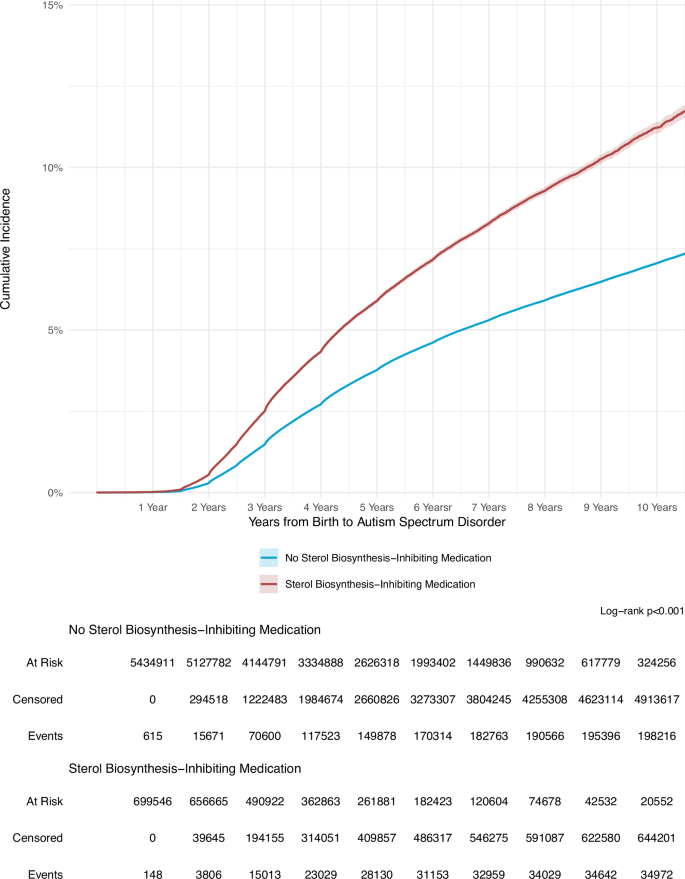
Study Links Antidepressants, Beta-blockers and Statins To Increased Autism Risk

An analysis of 6.14 million maternal-child health records  has linked prescription medications...

Pilot Study: Fibromyalgia Fatigue Improved By TENS Therapy

Fibromyalgia is the term for a poorly-understood condition where people experience pain and fatigue...

User picture.
News StaffRSS Feed of this column.

News Releases From All Over The World, Right To You... Read More »

Blogroll

STANFORD, Calif. — Researchers at the Stanford University School of Medicine and Lucile Packard Children's Hospital Stanford have found a new way to boost the survival of pediatric patients whose hearts stop while they are hospitalized.

The researchers developed a broader approach to resuscitation training to include everyone who responds to a pediatric "code" event, the emergency call broadcast through the hospital when a patient's heart stops.

Before the new training was implemented, about 40 percent of the hospital's "code" patients survived their cardiac arrest, a figure comparable to the national average for children's hospitals. After training, survival jumped to 60 percent.

The discovery of what is essentially a 3D version of graphene – the 2D sheets of carbon through which electrons race at many times the speed at which they move through silicon - could lead to much faster transistors and far more compact hard drives.

Researchers at Lawrence Berkeley National Laboratory have discovered that sodium bismuthate can exist as a form of quantum matter called a three-dimensional topological Dirac semi-metal (3DTDS).

This is the first experimental confirmation of 3D Dirac fermions in the interior or bulk of a material, a novel state that was only recently proposed by theorists. 

Schistosoma mansoni and its close relatives are parasitic flatworms that affect millions worldwide and kill an estimated 250,000 people a year. A study published on January 16 in PLOS Pathogens identifies a new part of the molecular pathway that controls parasite movement. And because coordinated movement is essential for the schistosome life cycle in its human host, this protein is a promising new drug target.

SAN ANTONIO (Dec. 19, 2013) — Elevated levels of an amino acid, tyrosine, alter development and longevity in animals and may contribute to the development of diabetes in people, new research from the UT Health Science Center at San Antonio indicates. This line of study could potentially lead to a novel way to prevent or treat the disease. The research is reported this week [Dec. 19] in PLOS Genetics, a journal of the Public Library of Science.

Evidence of a direct effect in diabetes

Porto Alegre, Brazil - Researchers at the Federal University of Rio Grande do Sul (UFRGS), the university hospital (Hospital de Clínicas de Porto Alegre, HCPA) and the Children's Cancer Institute (Instituto do Câncer Infantil do Rio Grande do Sul, ICI-RS) in Porto Alegre, Brazil, have shown that manipulating an epigenetic mechanism, which regulates gene expression, may promote cell death and favor maturation towards less malignant-prone phenotypes in pediatric brain cancer cell lines.

A possible new method for treating pancreatic cancer which enables the body's immune system to attack and kill cancer cells has been developed by researchers.

The method uses a drug which breaks down the protective barrier surrounding pancreatic cancer tumours, enabling cancer-attacking T cells to get through. The drug is used in combination with an antibody that blocks a second target, which improves the activity of these T cells.

