

Banner
Synchrotron Could Shed Light On Exotic Dark Photons

There are many hypothetical particles proposed to explain dark matter and one idea to explore how...

The Pain Scale Is Broken But This May Fix It

Chronic pain is reported by over 20 percent of the global population but there is no scientific...
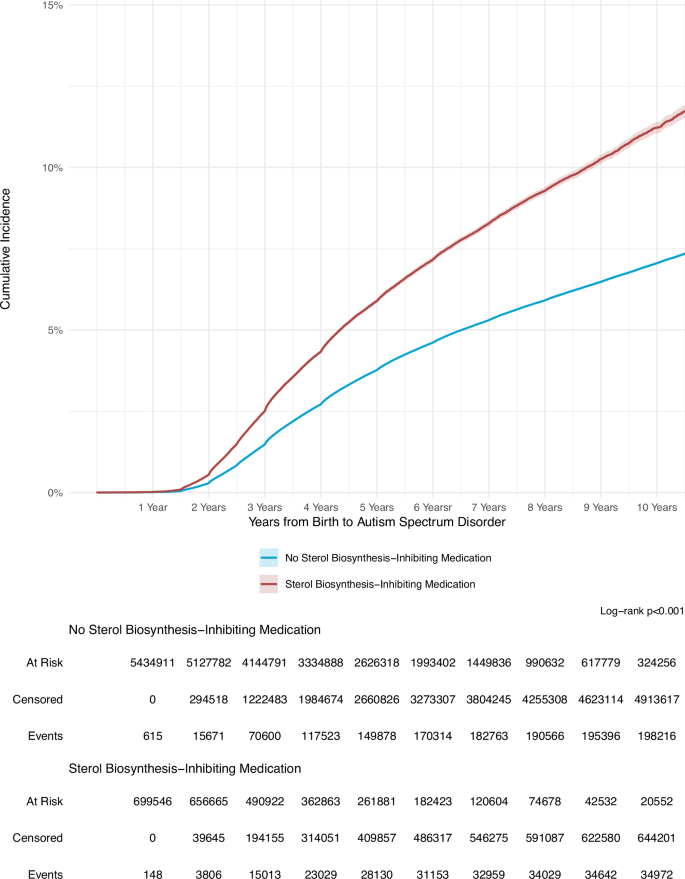
Study Links Antidepressants, Beta-blockers and Statins To Increased Autism Risk

An analysis of 6.14 million maternal-child health records  has linked prescription medications...

Pilot Study: Fibromyalgia Fatigue Improved By TENS Therapy

Fibromyalgia is the term for a poorly-understood condition where people experience pain and fatigue...

User picture.
News StaffRSS Feed of this column.

News Releases From All Over The World, Right To You... Read More »

Blogroll

Osteoarthritis is a leading cause of disability, characterized by the destruction of cartilage tissue in joints, but there is a lack of effective therapies because the underlying molecular causes have been unclear. A study published by Cell Press February 13th in the journal Cell reveals that osteoarthritis-related tissue damage is caused by a molecular pathway that is involved in regulating and responding to zinc levels inside of cartilage cells. A protein called ZIP8 transports zinc inside these cells, setting off a cascade of molecular events that result in the destruction of cartilage tissue in mice. The findings could lead to a new generation of therapies for osteoarthritis.

Cells communicate through proteins embedded in their cell membranes. These proteins have diverse functions and can be compared with antennas, switches and gates. For the well-being of the cell, it has to adjust the composition of its membrane proteins and lipids constantly. New proteins are incorporated, while old proteins get recycled or eliminated. The process by which membrane material gets internalized is called endocytosis. A research team headed by Daniël van Damme and Geert De Jaeger from VIB and Ghent University (Belgium), and Staffan Persson from the Max Planck Institute of Molecular Plant Physiology in Golm near Potsdam (Germany) has now identified a new protein complex which is crucial for endocytosis in plants.

Many psychiatric disorders are accompanied by memory deficits. Basel scientists have now identified a network of genes that controls fundamental properties of neurons and is important for human brain activity, memory and the development of schizophrenia. Their results have been published in the online edition of the US journal Neuron.

GAINESVILLE, Fla. — Breathing the air outside their homes may be just as toxic to pregnant women — if not more so — as breathing in cigarette smoke, increasing a mom-to-be's risk of developing deadly complications such as preeclampsia, according to findings from a new University of Florida study.

UF researchers compared birth data with Environmental Protection Agency estimates of air pollution, finding that heavy exposure to four air pollutants led to a significantly increased risk for developing a high blood pressure disorder during pregnancy. The research was published in the January issue of the Journal of Epidemiology & Community Health.

New research quantifying the risk of admission to hospital for self-harm has identified a raised risk of self-harm among groups of patients with certain physical illnesses. While it is known that psychiatric illnesses are associated with a greatly elevated risk of self-harm, a moderately elevated risk was seen with common physical illnesses such as diabetes, epilepsy and asthma. The research, published today by the Journal of the Royal Society of Medicine, investigated the risk of self-harm comparing people with different psychiatric and physical disorders in England.

A business scholar says that there are fewer product placements in scary movies, and therefore companies are missing a prime marketing moment.

Coca-Cola doesn't want a half-naked sorority girl to be drinking their soda just before she gets stabbed in the eye, that is a much different association than cute polar bears or, in the case of Budweiser, giant affectionate horses. Humor product placements, good, adventure, of course, but not horror.

Yet University of British Columbia PhD student Lea Dunn writes in an upcoming article in the


