

Banner
Synchrotron Could Shed Light On Exotic Dark Photons

There are many hypothetical particles proposed to explain dark matter and one idea to explore how...

The Pain Scale Is Broken But This May Fix It

Chronic pain is reported by over 20 percent of the global population but there is no scientific...
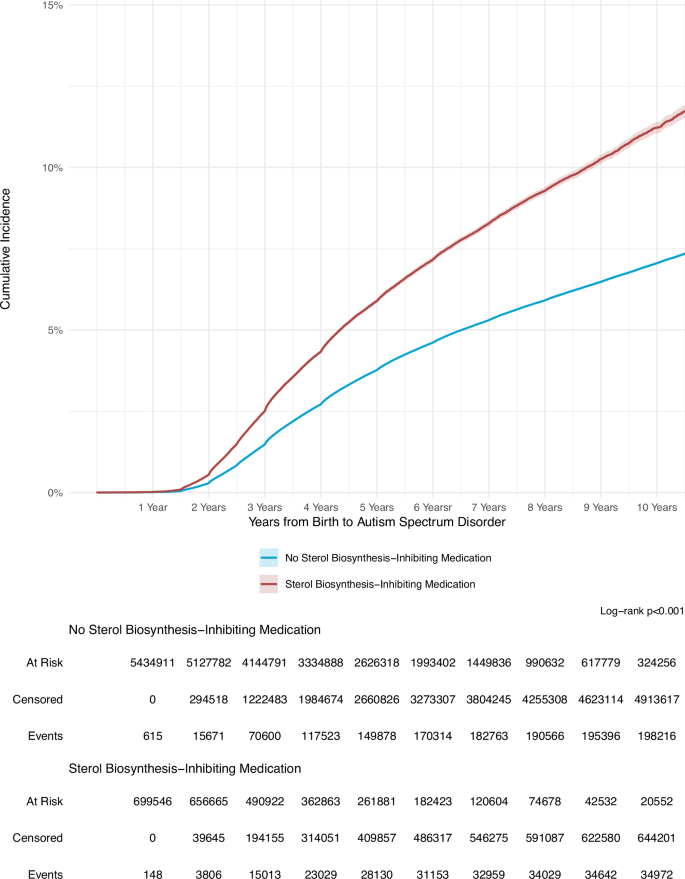
Study Links Antidepressants, Beta-blockers and Statins To Increased Autism Risk

An analysis of 6.14 million maternal-child health records  has linked prescription medications...

Pilot Study: Fibromyalgia Fatigue Improved By TENS Therapy

Fibromyalgia is the term for a poorly-understood condition where people experience pain and fatigue...

User picture.
News StaffRSS Feed of this column.

News Releases From All Over The World, Right To You... Read More »

Blogroll

NEW YORK, NY (February 6, 2014) — In most cases of amyotrophic lateral sclerosis (ALS), or Lou Gehrig's disease, a toxin released by cells that normally nurture neurons in the brain and spinal cord can trigger loss of the nerve cells affected in the disease, Columbia researchers reported today in the online edition of the journal Neuron.

The toxin is produced by star-shaped cells called astrocytes and kills nearby motor neurons. In ALS, the death of motor neurons causes a loss of control over muscles required for movement, breathing, and swallowing. Paralysis and death usually occur within 3 years of the appearance of first symptoms.

Fossilization is rare. It may seem common to find them because there have been billions of years and an entire planet on which to do it, but things really have to go right. An ancient fossil caught in the act of giving birth is bordering on spectacular.

Hospitals use disinfectants but they don't all kill the human papillomavirus (HPV), according to a new paper. Non-sexual transmission of the virus is exceedingly rare but hospitals need to be cautious so changes should be made, say researchers from Penn State College of Medicine and Brigham Young University.

How did we evolve a face?

Vertebrates, backboned animals, come in two basic models: jawless and jawed.  Jawed vertebrates, including us, number over 50,000 species but there are two jawless vertebrates in existence today; lampreys and hagfishes. It is known that jawed vertebrates evolved from jawless ones, a dramatic anatomical transformation that effectively turned the face inside out. 

A team of researchers used micron resolution X-ray imaging and show how a series of fossils, with a 410 million year old armored fish called Romundina at its center, documents the step-by-step assembly of the face during the evolutionary transition from jawless to jawed vertebrates. 

The people generally called Clovis were not the first humans in America but they were the first to accomplish expansion on the North American continent. Then they died out, leaving only speculation. 

Starting somewhere around 13,000 years ago, they hunted mammoth, mastodons and giant bison with big spears. Today there exists only one human skeleton  - a small boy between 1 and 1.5 years of age that was found in the 12,600 Anzick Site in Wilsall, Montana. It was found in association with Clovis tools, making it among the oldest human skeletons in the Americas. 

If there is a sociological fad, trend or fashion and it catches the attention of the public, you can be sure someone will start doing weak observational studies and get published in journals.

Almost anything can be termed an 'addiction' if people do it too much; checking their email, playing Risk or even watching porn. Because addiction is considered physical, the term connotes legitimacy and that means it will have to be covered under insurance. It's a huge windfall if a successful new disease can be manufactured.




