Banner
Synchrotron Could Shed Light On Exotic Dark Photons

There are many hypothetical particles proposed to explain dark matter and one idea to explore how...

The Pain Scale Is Broken But This May Fix It

Chronic pain is reported by over 20 percent of the global population but there is no scientific...
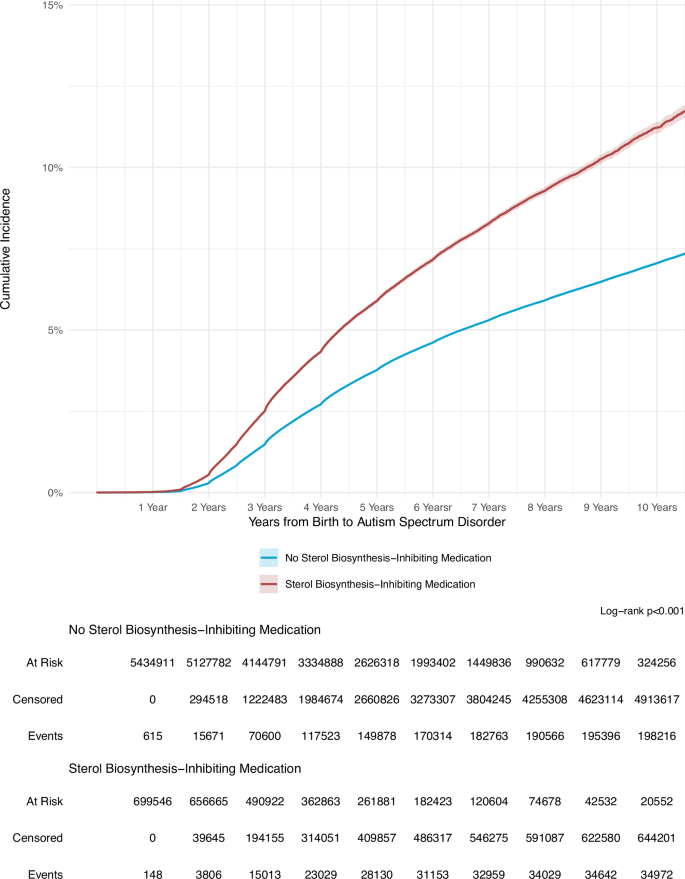
Study Links Antidepressants, Beta-blockers and Statins To Increased Autism Risk

An analysis of 6.14 million maternal-child health records  has linked prescription medications...

Pilot Study: Fibromyalgia Fatigue Improved By TENS Therapy

Fibromyalgia is the term for a poorly-understood condition where people experience pain and fatigue...

User picture.
News StaffRSS Feed of this column.

News Releases From All Over The World, Right To You... Read More »

Blogroll

The U.S. Geological Survey has gone cosmic and produced the first global geological map of Ganymede, Jupiter's largest moon and the largest in the solar system.

Conversion landscapes to cement-dominated urban centers would seem to cause great losses in biodiversity, yet nature i heartier than you might think. According to a new study involving 147 cities worldwide, surprisingly high numbers of plant and animal species persist and even flourish in urban environments, to the tune of hundreds of bird species and thousands of plant species in a single city.

A program that allows a single autonomous robot to navigate an uncertain environment with an erratic communication link is difficult and the difficulty for writing code to handle multiple robots that may have to work in tandem is even harder.

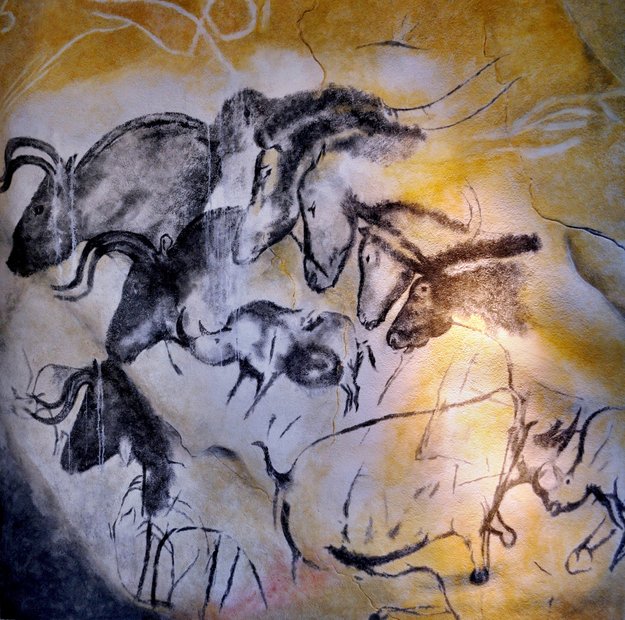
Sometimes you don't need fancy modern compounds - primitive cavemen had the answer.

Burnt bone charcoal, used in prehistoric cave paintings, will be applied to the ESA’s Solar Orbiter titanium heatshield to protect it from the Sun’s close-up glare. 

Solar Orbiter, due for launch in 2017, will carry instruments to perform high-resolution imaging of Sol from as close as 42,000,000 km – a little more than a quarter of the distance to Earth. Operating in direct view of the Sun, the mission must endure 13 times the intensity of terrestrial sunlight and temperatures rising as high as 520° C.

Innate lymphoid cells (ILCs) are among the first components of the immune system to confront certain pathogens and they have a critical function at mucosal barriers, like the bowel or the lung, where the body comes in direct contact with the environment.  

But they went undetected by researchers until just five years ago. The reason is that immune cells are found in the blood, lymph nodes, or spleen and these cells aren't there. Once they mature they directly go to tissues, such as the gut or the skin, rather than blood.And they are rare.A mouse might have 200 million lymphocytes but only a few thousand ILCs.  

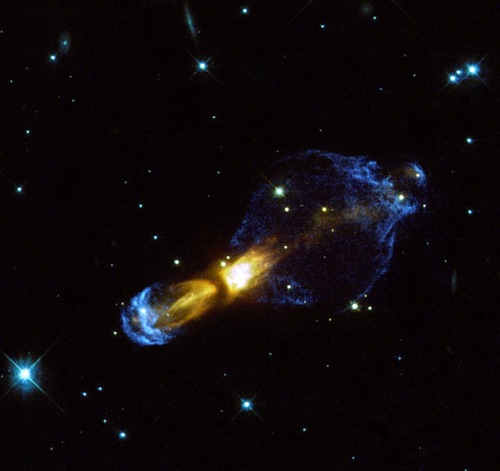
Large stars go supernova but smaller stars sometimes end up as planetary nebulae – colorful, glowing clouds of dust and gas.

These nebulae have been observed to often emit powerful, bipolar jets of gas and dust. But how do spherical stars evolve to produce highly aspherical planetary nebulae?

A hypothesis published in the Monthly Notices of the Royal Astronomical Society by a University of Rochester undergraduate student and a professor states that only "strongly interacting" binary stars – or a star and a massive planet – can feasibly give rise to these powerful jets.