

Banner
Synchrotron Could Shed Light On Exotic Dark Photons

There are many hypothetical particles proposed to explain dark matter and one idea to explore how...

The Pain Scale Is Broken But This May Fix It

Chronic pain is reported by over 20 percent of the global population but there is no scientific...
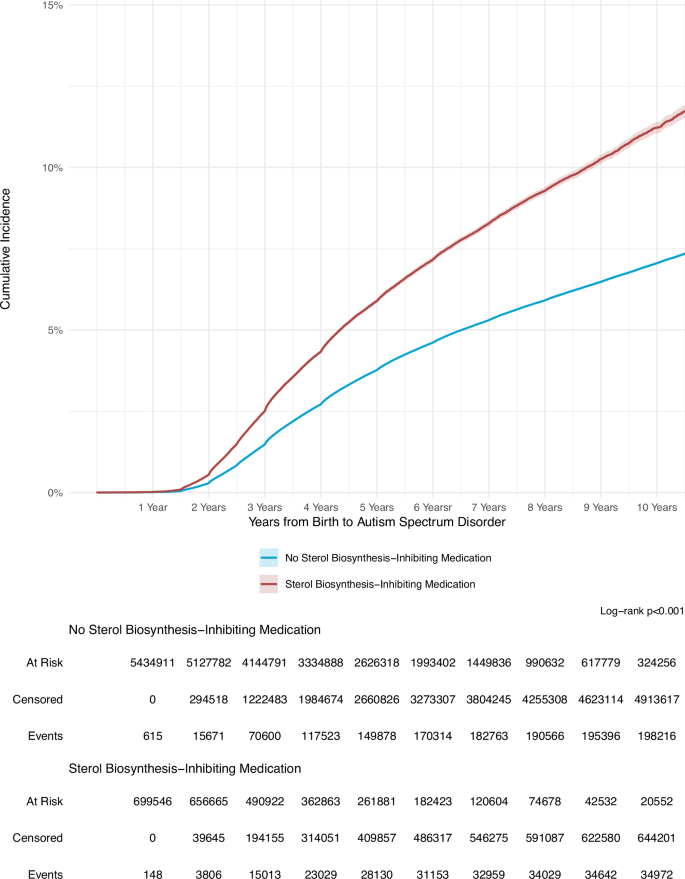
Study Links Antidepressants, Beta-blockers and Statins To Increased Autism Risk

An analysis of 6.14 million maternal-child health records  has linked prescription medications...

Pilot Study: Fibromyalgia Fatigue Improved By TENS Therapy

Fibromyalgia is the term for a poorly-understood condition where people experience pain and fatigue...

User picture.
News StaffRSS Feed of this column.

News Releases From All Over The World, Right To You... Read More »

Blogroll

United States dominance in science and technology declined  during the last decade as several Asian nations rapidly increased their innovation capacities.

According to a new report, The 2014 volume of Science and Engineering Indicators prepared by NSF's National Center for Science and Engineering Statistics (NCSES), the major Asian economies, taken together, now perform a larger share of global R&D than the U.S., and China performs nearly as much of the world's high-tech manufacturing as the U.S.

Symmetry isn't always good. When we look at human faces, the most symmetrical, where one half is mirrored to the other, are less attractive than faces that show some distinction.

And it isn't just culture. A study in brains found that too much symmetry is also bad. Fish that have symmetric brains show defects in processing information about sights and smells, according to a new paper
in Current Biology

It's widely believed that the left and right sides of the brain have slightly different roles in cognition and in regulating behavior, but whether or not these asymmetries actually matter for the efficient functioning of the brain is unknown

Researchers stray from the usual heteronormative parameters in a new take on determining the relationship between love and sex.  They collected data from an Internet-based survey of almost 25,000 gay and bisexual men residing in the United States who were members of online websites facilitating social or sexual interactions with men. 

The survey results determined that nearly all (92.6 percent) of the men whose most recent sexual event occurred with a relationship partner indicated being in love with the partner at the time they had sex. So experiences of love among people are far more similar than different, regardless of sexual orientation.  

Last year, a group of researchers created a correlation between the migration patterns of ocean salmon and the Earth's magnetic field, suggesting it may help explain how the fish can navigate across thousands of miles of water to find their river of origin.

A new review doesn't add any value to supplements but at least it shows that people who spend money on supplements are more inclined to be developing a healthier lifestyle overall.

The review by  Council for Responsible Nutrition (CRN) consultant Annette Dickinson, Ph.D., and CRN's senior vice president, scientific and regulatory affairs, Duffy MacKay, N.D., only covered 20 articles, and those were all surveys anyway, so it's no surprise they found what they set out to find, that "overall, the evidence suggests that users of dietary supplements are seeking wellness and are consciously adopting a variety of lifestyle habits that they consider to contribute to healthy living." 

The DiscoverE outreach program and its Girls Coding Club program teaching computer programming to girls from grades 3 to 9, has won a Google RISE Award

Last year, DiscoverE, an initiative by the University of Alberta Faculty of Engineering, became the first Canadian group ever to win a RISE Award, now in their fifth year, and now it is first to win two.




