Banner
Synchrotron Could Shed Light On Exotic Dark Photons

There are many hypothetical particles proposed to explain dark matter and one idea to explore how...

The Pain Scale Is Broken But This May Fix It

Chronic pain is reported by over 20 percent of the global population but there is no scientific...
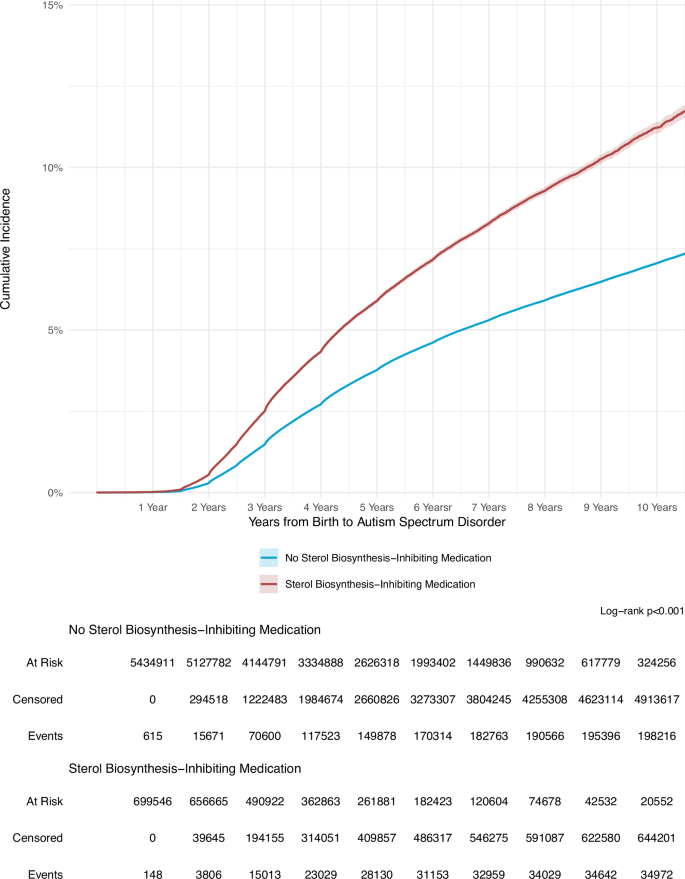
Study Links Antidepressants, Beta-blockers and Statins To Increased Autism Risk

An analysis of 6.14 million maternal-child health records  has linked prescription medications...

Pilot Study: Fibromyalgia Fatigue Improved By TENS Therapy

Fibromyalgia is the term for a poorly-understood condition where people experience pain and fatigue...

User picture.
News StaffRSS Feed of this column.

News Releases From All Over The World, Right To You... Read More »

Blogroll

British people traveling abroad for medical treatment are often unaware of the potential health and financial consequences they could face - with sometimes catastrophic effects for individual patients.

More than 63,000 UK residents travel abroad for medical treatment each year but many are embarking on medical tourism without doing research about the risks involved. These include a lack of redress in many countries should things go wrong, and the costs of non-emergency care at home to rectify poor outcomes of treatments received overseas. Since the UK has government-controlled health care, individuals are personally liable for those costs.

Exposure to short wavelength, blue, light during the biological day directly and immediately improves alertness and performance.

In order to determine which wavelengths of light were most effective in warding off fatigue, the researchers teamed with George Brainard, PhD, a professor of neurology at Thomas Jefferson University, who developed the specialized light equipment used in the study. Researchers compared the effects of blue light with exposure to an equal amount of green light on alertness and performance in 16 study participants for 6.5 hours over a day. Participants then rated how sleepy they felt, had their reaction times measured and wore electrodes to assess changes in brain activity patterns during the light exposure.  

Women who take nonsteroidal anti-inflammatory drugs (NSAIDs) like ibuprofen, naproxen and diclofenac during pregnancy are not at increased risk of miscarriages.

NSAIDs are used by pregnant women in the first trimester to combat pain, fever and inflammation.  Previous studies on whether they increase the risk of pregnancy loss have shown inconsistent results.

People with high blood pressure are familiar with ACE inhibitors, drugs that widen blood vessels by limiting activity of ACE, angiotensin-converting enzyme, a naturally occurring protein found in tissues throughout the body. 

But high activity of ACE may sometimes be a good thing. A study conducted by Cedars-Sinai scientists found that genetically targeting certain immune blood cells to overproduce the enzyme broke down defective proteins in the brain associated with Alzheimer's disease and prevented cognitive decline in laboratory mice bred to model the disease.

Added sugar during processing or preparing of foods remain at unhealthy levels, according to a study published by JAMA Internal Medicine.

What exactly are healthy levels? Well, there is no clear answer. Recommendations for added sugar consumption vary and there is no universally accepted threshold for unhealthy levels. For example, the Institute of Medicine recommends that added sugar make up less than 25 percent of total calories while the World Health Organization recommends less than 10 percent and the American Heart Association recommends limiting added sugars to less than 100 calories daily for women and 150 calories daily for men.
Don't count nature out yet.

Some aspects of climate change are natural. And some mitigation will be also, according to researchers from the Hebrew University of Jerusalem, Johns Hopkins University in the US and NASA’s Goddard Space Flight Center. As the globe warms, ocean temperatures rise, leading to increased water vapor escaping into the atmosphere. Water vapor is really the most important greenhouse gas and its impact on climate is amplified in the stratosphere.